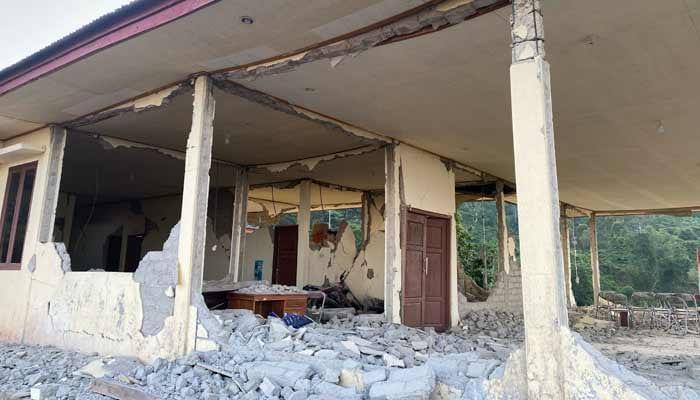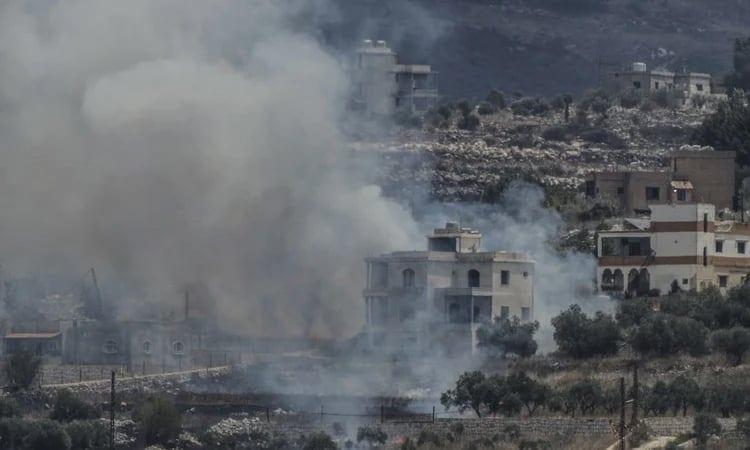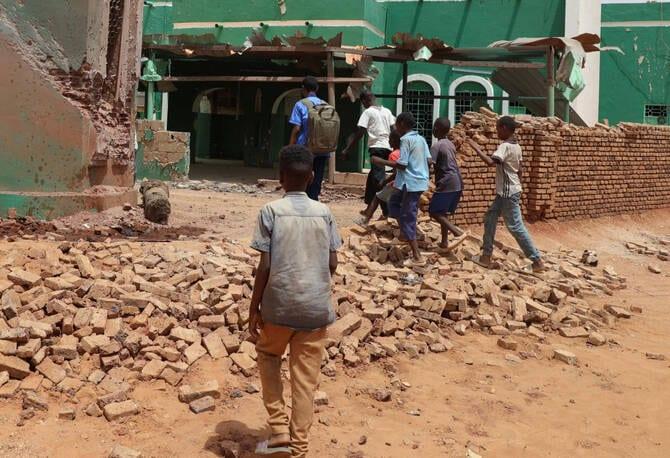
A 6.9-magnitude earthquake struck Indonesia's western Sumatra island late Saturday, according to the US Geological Survey (USGS). This marks the second significant seismic event to hit the nation in a single day. The epicentre of the quake was located near Pematangsiantar, approximately 126 kilometres southeast of Medan, the island's capital. The tremor occurred at a depth of 183 kilometres, and fortunately, no tsunami warning has been issued.
Indonesia, an archipelago situated along the Pacific Ring of Fire, is highly prone to seismic activity due to its location where several tectonic plates converge. The country experiences frequent earthquakes, many of which can be severe. The latest quake adds to the ongoing challenges faced by the region in managing and responding to natural disasters.
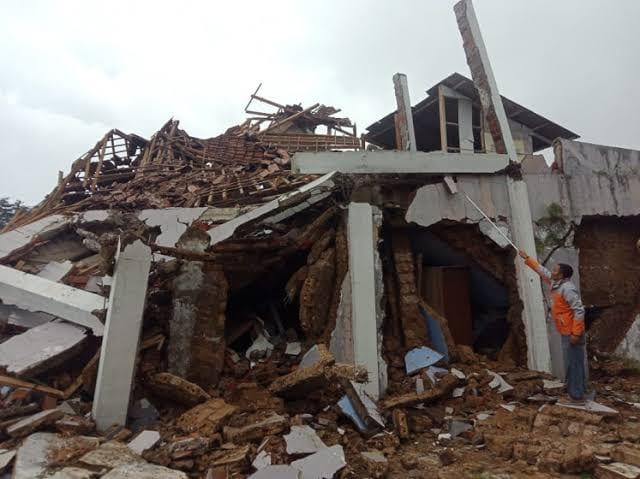
Earthquakes of this magnitude have the potential to cause significant damage to infrastructure and pose risks to human life. While the initial reports do not indicate any immediate threats such as tsunamis, the impact on local communities and potential aftershocks remain concerns. Authorities are likely to be assessing the situation and preparing for any necessary emergency responses.
FAQs About the Sumatra Earthquake
- **What caused the earthquake?** The earthquake was caused by the movement of tectonic plates beneath the Earth's surface. Sumatra lies on the boundary of several major tectonic plates, including the Eurasian Plate and the Indo-Australian Plate, making it prone to such seismic activity.
- **Are there any reported damages or casualties?** As of the latest reports, there are no immediate details on damages or casualties. However, earthquakes of this magnitude can lead to significant impacts, and authorities are likely conducting assessments.
- **Why didn't a tsunami warning get issued?** Tsunamis are typically generated by underwater earthquakes. Since this quake occurred at a depth of 183 kilometres, it was less likely to displace a large volume of water, hence no tsunami warning was issued.
- **How does Indonesia prepare for earthquakes?** Indonesia has established various measures to prepare for and respond to earthquakes, including building codes designed to withstand seismic activity, early warning systems, and public education campaigns on emergency preparedness.