The Pulse Today
BREAKING
Sajib Pledges Aid for 50,000 Flood-Affected People in SonargaonMP Azharul Islam Mannan Distributes Relief Funds to Needy Families in SonargaonParliament Proposes Anti-Gambling Bill with Maximum 7-Year Prison PenaltyOpenAI Unveils 'Schedule' Feature to Boost Task Management in AI ChatbotPrime Minister Tareq Rahman Arrives in Dalian, China for Economic ForumEurope Confronts Intense Heatwave; Conditions Predicted to DeteriorateGold Prices Rise Again in Bangladesh Amid Global Market IncreaseSpaceX's Nasdaq Debut Values Company at Over $2 Trillion, Surpassing AmazonStudy Reveals AI Data Centers Contribute to Local Temperature IncreasesNarayanganj BNP Youth Wing Holds Rally to Welcome New Central CommitteeCoe Urges LA Olympics Organizers to Collaborate Closely with US GovernmentBegum Khaleda Zia: A Symbol of Bangladesh's Democratic StruggleThree Families in Bagha Lose Nearly Tk 50 Lakh in Devastating FireCiro Immobile Retires from Football: Euro 2020 Winner Ends Career at 36Lani Pallister Clinches Pan Pacs 400m Freestyle Title, Edges Out Katie Ledecky7.7-Magnitude Earthquake Off Indonesia Kills 20, Prompts Mass EvacuationsIsraeli Airstrike in Southern Lebanon Kills Seven, Escalating Regional TensionsBangladesh Govt Announces Plans for Modern Meat Processing Centers Across the NationBangladesh Government Initiates Reopening of Closed Sugar Mills to Enhance Production14 civilians killed in Sudan's Umm Arda attack, RSF blamedTrump Proposes Claiming Strait of Hormuz as US Territory Amid Regional TensionsFinance Minister Encourages Children to Trade Mobile Devices for Outdoor PlayRangpur Police Hold Special Drills to Boost Security Against Crime and SabotageSummit LNG Terminal Initiates Gas Supply to Bangladesh's National GridSundarbans Sees Decline in Deer Poaching and Poison Fishing

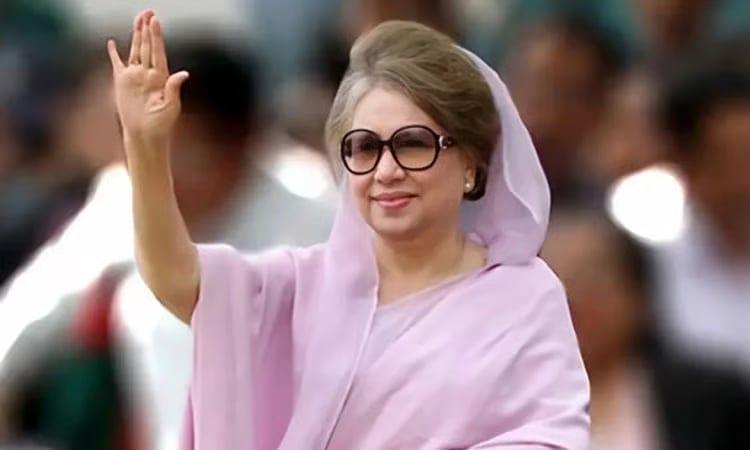
Begum Khaleda Zia: A Symbol of Bangladesh's Democratic Struggle

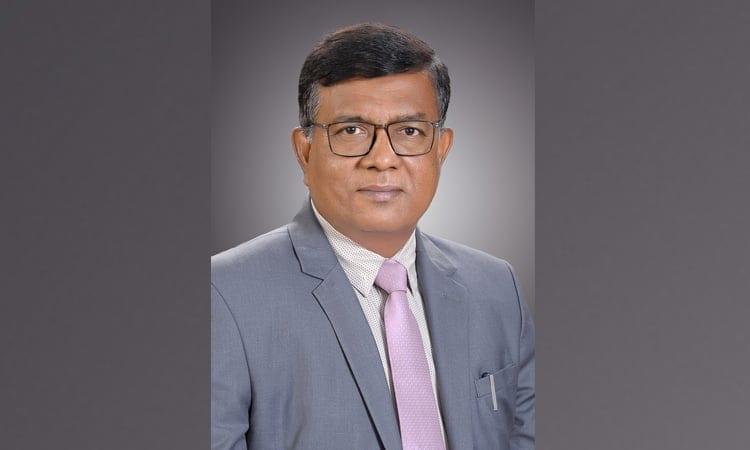
The political journey of Begum Khaleda Zia, from a homemaker to a national leader, symbolizes the struggle for democracy and sovereignty in Bangladesh, says Jahangirnagar University Vice-Chancellor.

By Staff Correspondent
Share
Begum Khaleda Zia's journey symbolises struggle for democracy, sovereignty: JU VC | Interview
BSS

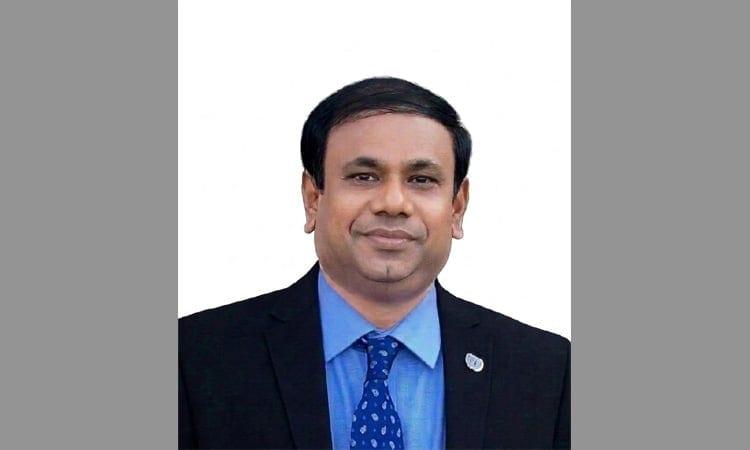
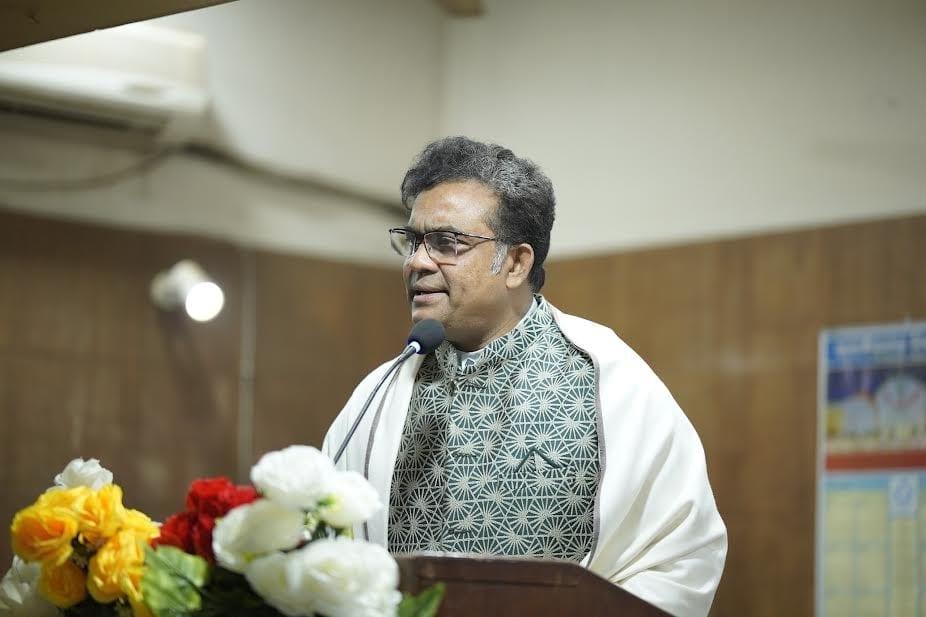
The political journey of Begum Khaleda Zia, former Prime Minister of Bangladesh, from a homemaker to a national leader, symbolizes a prolonged struggle for democracy, national sovereignty, and the fulfillment of people's democratic aspirations, according to Jahangirnagar University (JU) Vice-Chancellor Prof Dr Mohammad Kamrul Ahsan. Her political life is closely intertwined with Bangladesh's democratic struggles, changes in the state system, and the people's aspirations for rights and the country's long political history.

From Homemaker to National Leader

Begum Khaleda Zia did not enter politics through a planned political career. Rather, an unexpected and painful national political situation brought her to the center of politics following the assassination of President Ziaur Rahman on May 30, 1981. Overcoming personal grief and a major national political crisis, she gradually entered the broader arena of national politics. This marked the beginning of her journey from homemaker to political leader.

Role in Democratic Movements

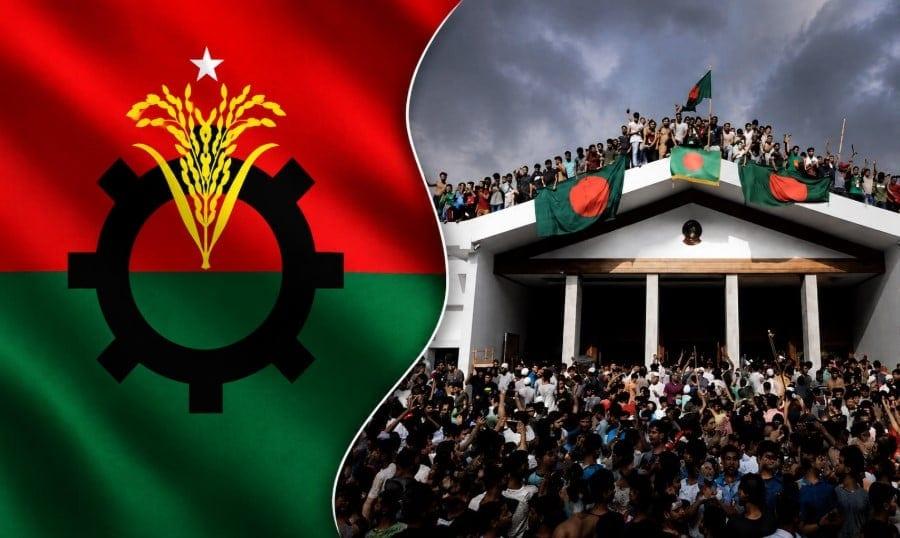
Khaleda Zia formally joined the Bangladesh Nationalist Party (BNP) in 1982 and assumed the party's chairpersonship in 1984, during a period of political instability, military rule, and restrictions on political rights. Her role in the anti-Ershad movement established her as a key political figure in the movement for the restoration of democracy. Through prolonged movements, rallies, meetings, arrests, obstacles, and political pressure, her leadership developed a distinctive character marked by firmness and determination.

Legacy and Impact

Begum Khaleda Zia played an important role in Bangladesh's transition to parliamentary democracy and the rebuilding of democratic institutions. A political leader should be evaluated not only by the period spent in power but also by how they confront political adversity and personal crises while maintaining political convictions. In Khaleda Zia's political life, this aspect is particularly notable.

Future Generations and Democratic Values

Prof Kamrul emphasized the importance of maintaining objectivity while evaluating a political figure. He stressed that future researchers will analyze her political legacy from different perspectives, but there is no denying her long political struggle and influence on Bangladesh's democratic politics. He also highlighted the importance of political tolerance and unity amid diversity, urging the younger generation to focus on long-term statecraft based on independence, sovereignty, democracy, and the aspirations of the people.
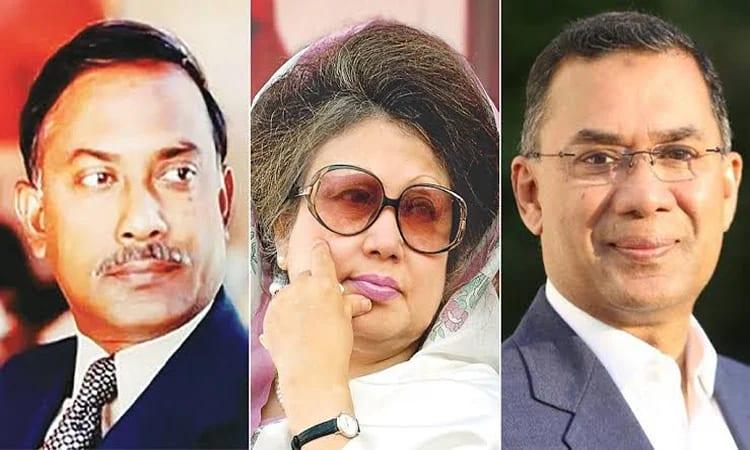
Source: BSS

FAQ

When did Begum Khaleda Zia join the Bangladesh Nationalist Party (BNP)?
Begum Khaleda Zia formally joined the Bangladesh Nationalist Party (BNP) in 1982.

What role did Begum Khaleda Zia play in the anti-Ershad movement?
Begum Khaleda Zia played a key role in the anti-Ershad movement, establishing herself as a significant figure in the struggle for the restoration of democracy in Bangladesh.

Topics

Comments

Related stories

More in Politics

See all →

Latest stories