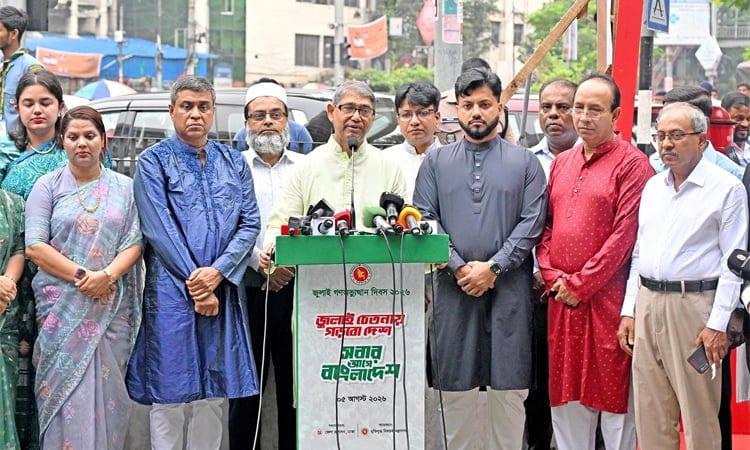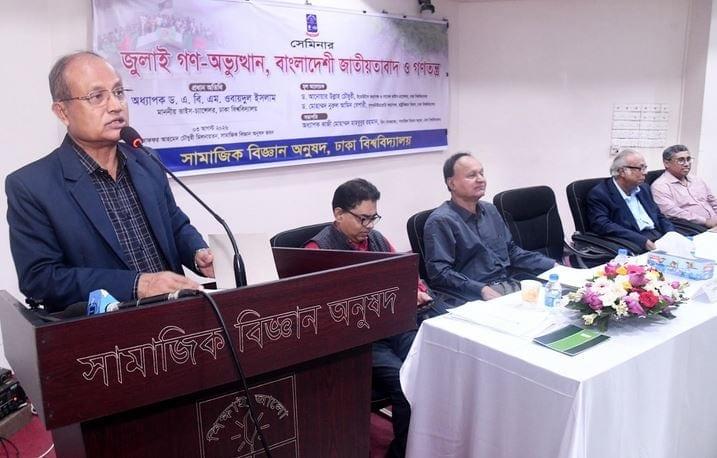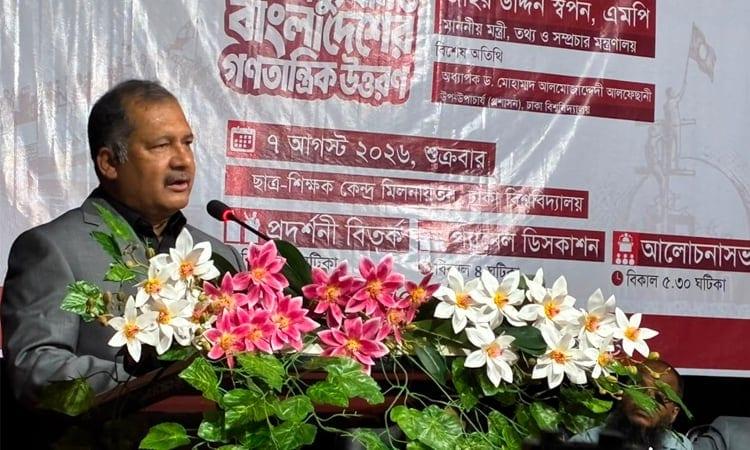
In a recent discussion, Water Resources Minister Md. Shahiduddin Chowdhury Anee highlighted the significance of '36 July' in Bangladesh's democratic history. He described the period as a testament to a united movement against authoritarian rule, spanning 16 years of resistance.
Historical Context of the July Movement
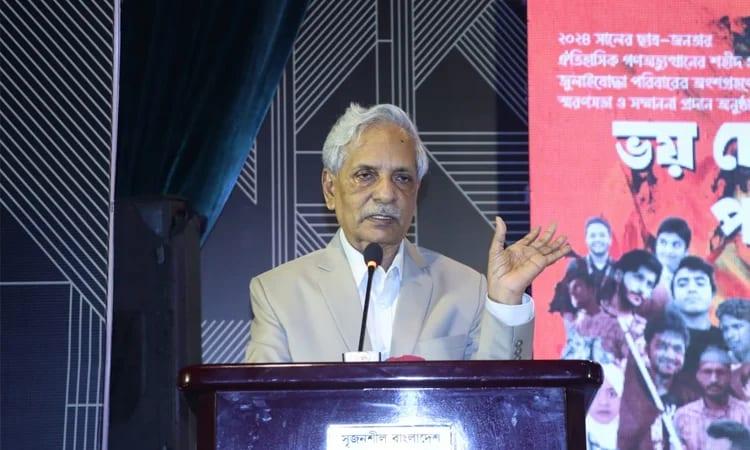
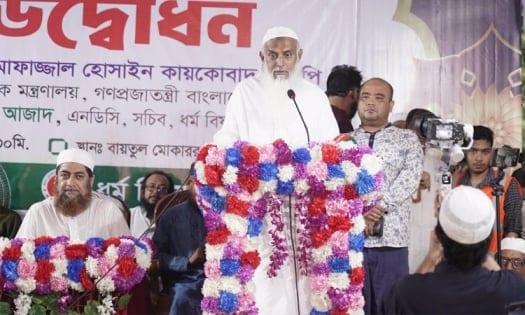
Anee made these remarks while addressing the gathering at the Central Kochi-Kachar Mela auditorium, where a discussion on 'The Sacrifice of the Martyrs, Our Responsibility, and a New Bangladesh' was held. The event was organized by the Jagrata July Forum. He noted that the movement's foundation was laid during years of resistance against an authoritarian regime.
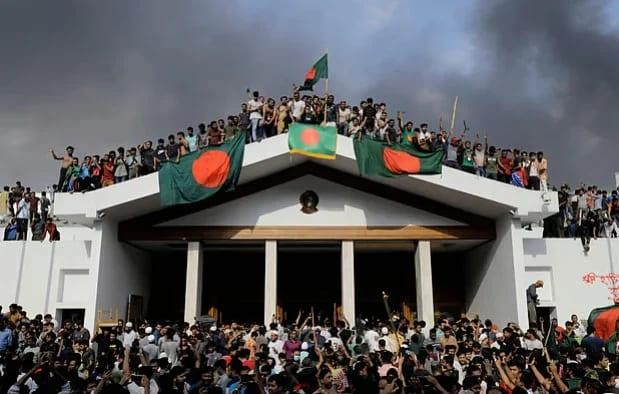
The minister pointed out that the collective participation of various segments of society, including students, teachers, poets, writers, and professionals, culminated in the events of August 5, which led to the departure of former Prime Minister Sheikh Hasina from the country.
Anee paid tribute to the students who sacrificed their lives for the rights of the people, stating that it is now the responsibility of the nation to honor their sacrifice by ensuring political and economic empowerment and building a democratic Bangladesh based on equality, human dignity, and social justice.
Call for Unity and Dialogue
Emphasizing the importance of respecting differing opinions in a Bangladesh free from fascism, Anee suggested that the country should advance through dialogue rather than division. He quoted, 'The beauty of democracy lies in constructive criticism,' and stressed that there should be 'no compromise on the July issue.'
Anee also reminded the attendees of the prime minister's pledge to implement the July Charter. The discussion was chaired by Alhaj Ahmed Jibon, convener of the Jagrata July Forum, with key speakers including Expatriates' Welfare and Overseas Employment State Minister Md Nurul Hoque and Liberation War Affairs State Minister Ishraque Hossain.