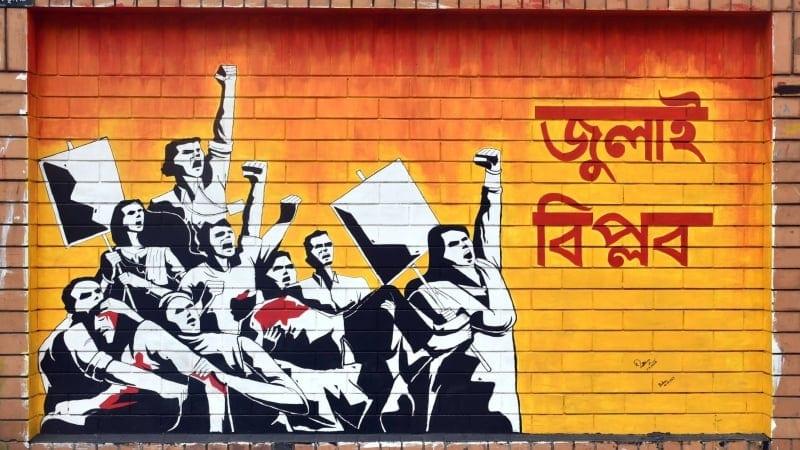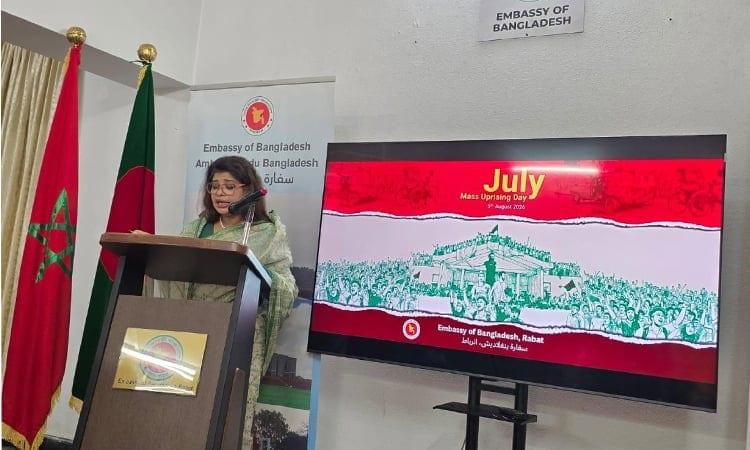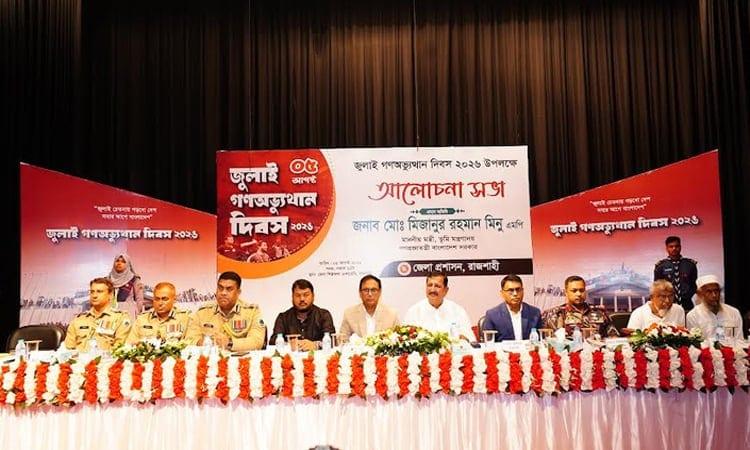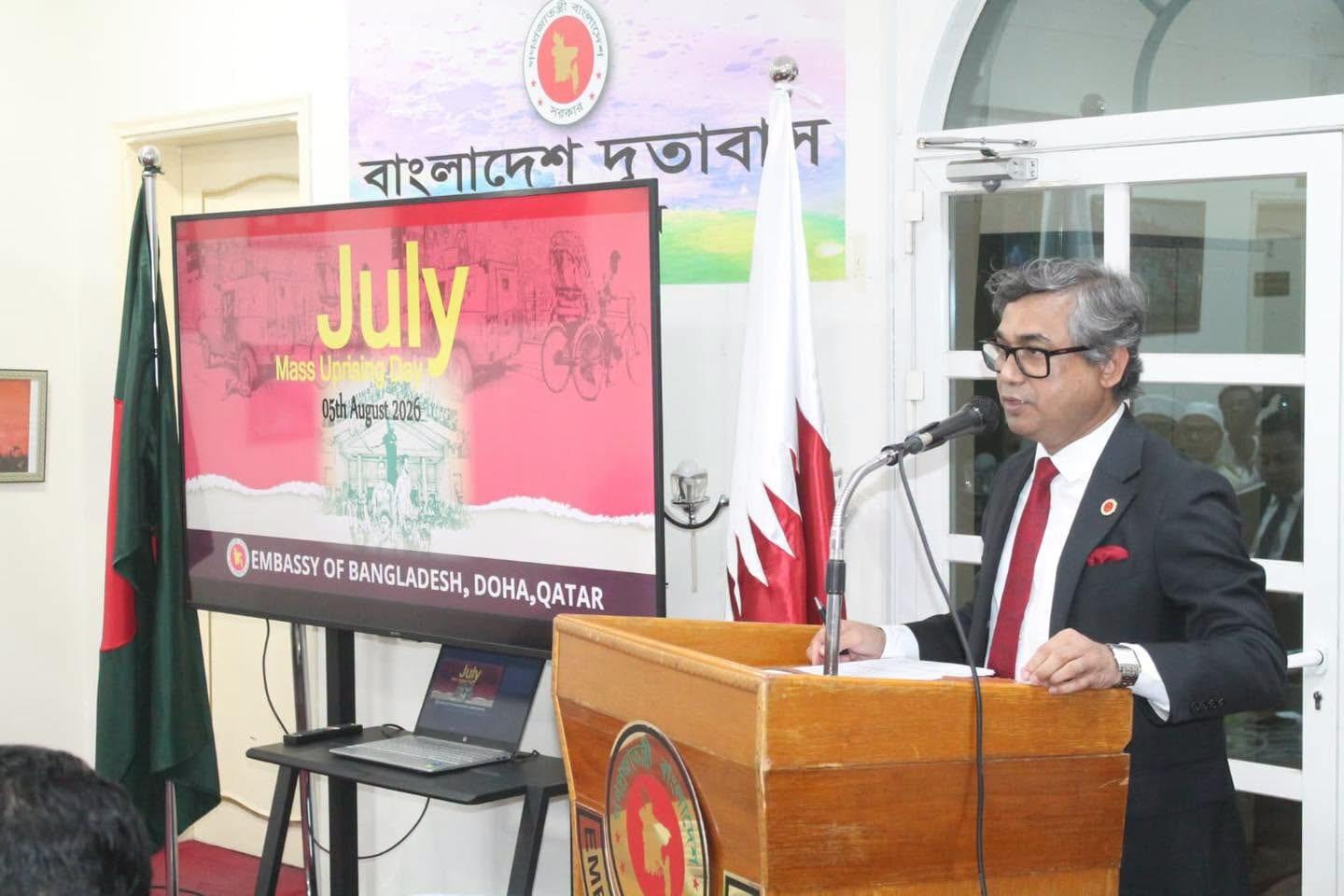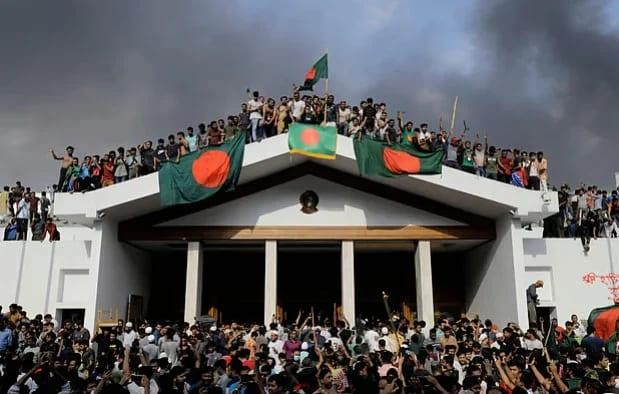
Bangladesh today observed the July Mass Uprising Day-2026 with due dignity, marking two years since the student-led mass uprising that led to the fall of the Sheikh Hasina government. The day was observed under the theme, 'Building the Nation in the Spirit of July, Bangladesh First.'
Nationwide Observance
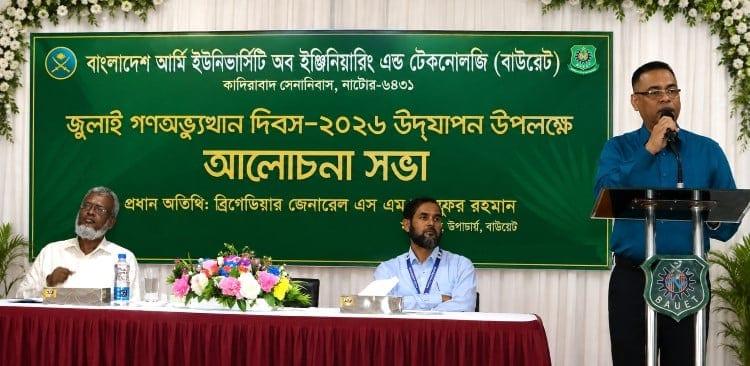
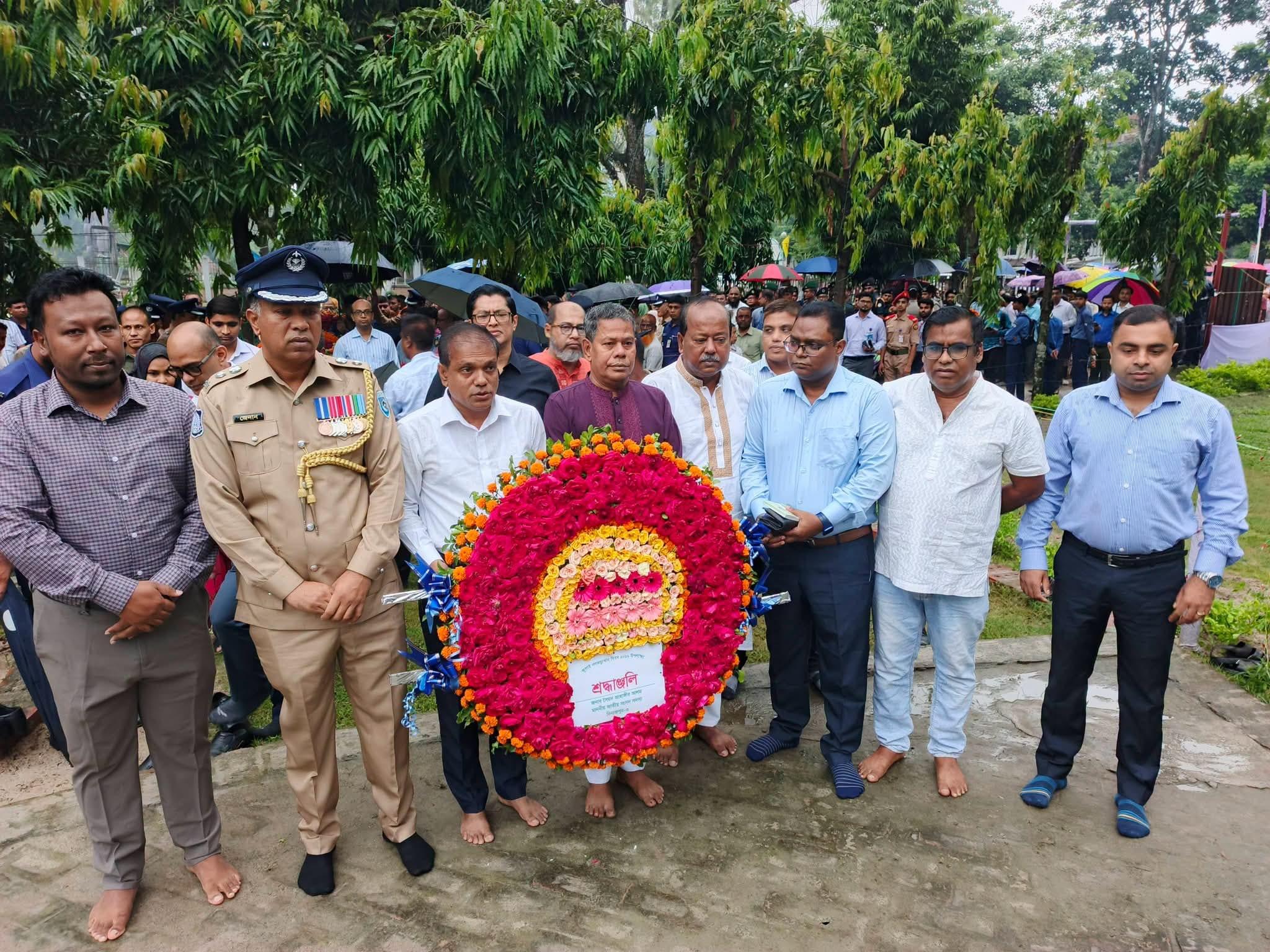
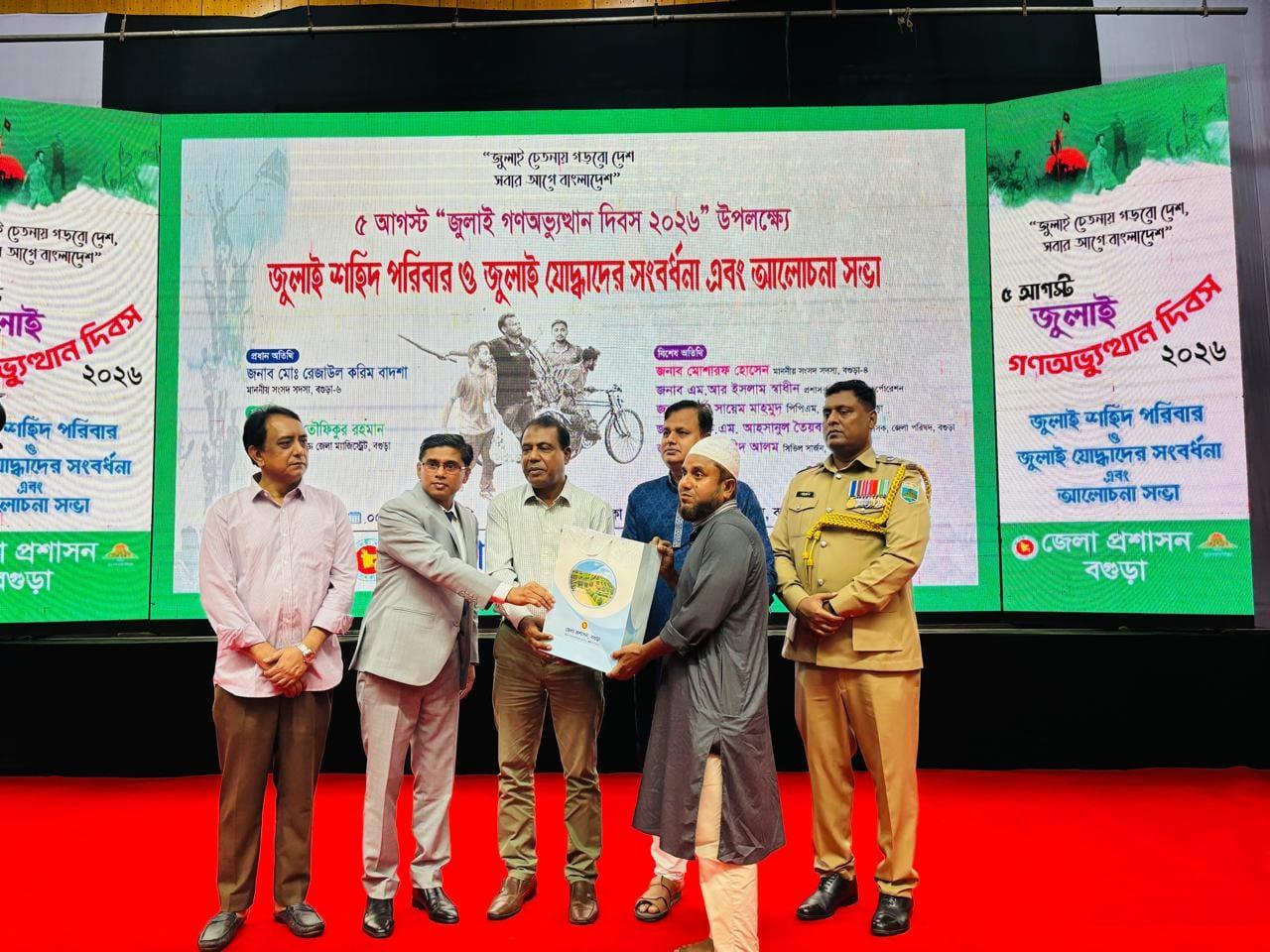
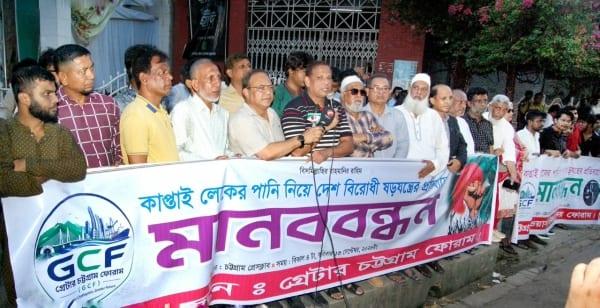
The day was marked by various events including wreath-laying ceremonies, discussions, rallies, cultural programmes, special prayers and receptions for the families of the July martyrs and injured. These events were organized by the government, political parties and socio-cultural organizations across the country.
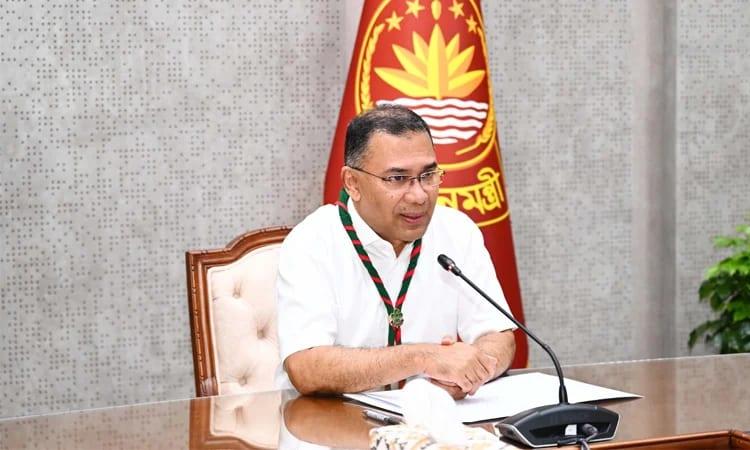
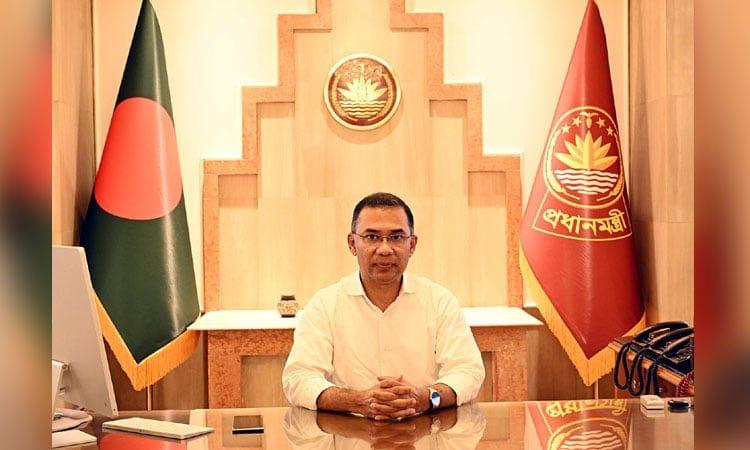
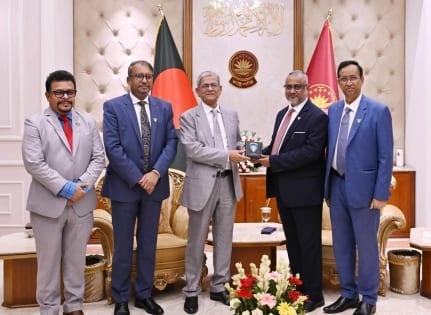
Acting President Hafiz Uddin Ahmed, Bir Bikram, and Prime Minister Tarique Rahman issued separate messages paying tribute to those who sacrificed their lives in the movement and urging the nation to uphold the spirit of July.
Key Highlights
A major highlight of the day was the inauguration of the July Mass Uprising Memorial Museum at Ganabhaban in Sher-e-Bangla Nagar by Prime Minister Tarique Rahman. Established at the former official residence of ousted prime minister Sheikh Hasina, the museum preserves artifacts, photographs, official documents, video footage and memorabilia related to the 2024 uprising. A documentary on the movement was screened during the ceremony.
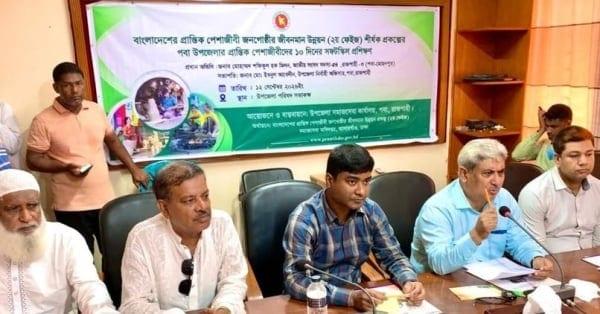
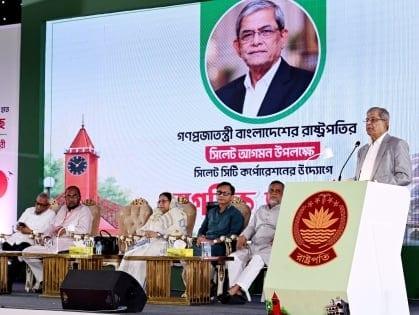
The Ministry of Liberation War Affairs organized a reception for the families of the July martyrs and July fighters at the Bangladesh-China Friendship Conference Centre. Acting President Hafiz Uddin Ahmed attended as the chief guest, while Liberation War Affairs Minister Ahmed Azam Khan presided over the programme. Earlier in the day, the minister laid a wreath at the July Martyr Memorial in Shahbagh.
The Bangladesh Federal Union of Journalists (BFUJ) and Dhaka Union of Journalists (DUJ) organized a rally at the National Press Club, demanding speedy justice for those responsible for the killings during the uprising, proper rehabilitation of the injured and measures to prevent future abuse of state power.
Special articles, supplements and discussion programmes were published and broadcast by newspapers, Bangladesh Television, Bangladesh Betar and private media outlets. Religious institutions held special munajat and prayers for the martyrs, while government buildings, roads and memorials were decorated with national flags, banners and festive illumination.