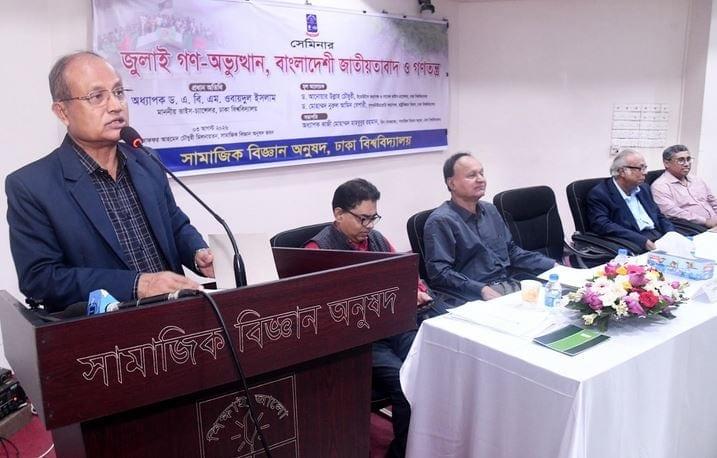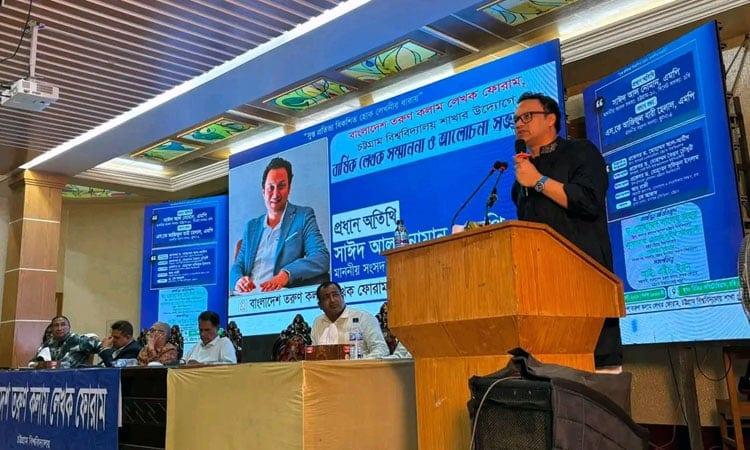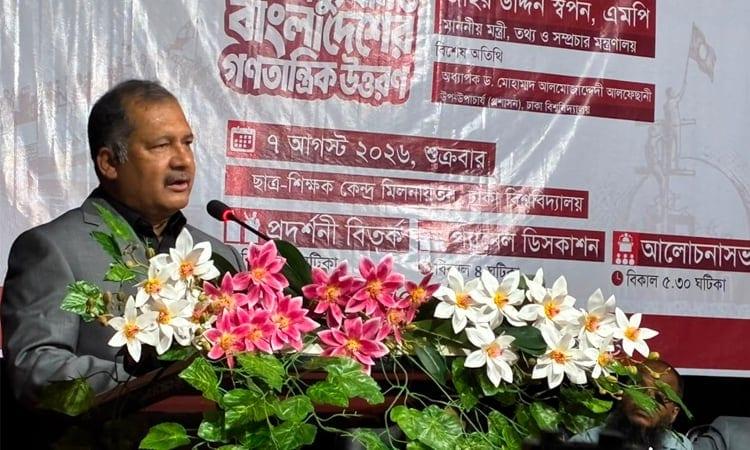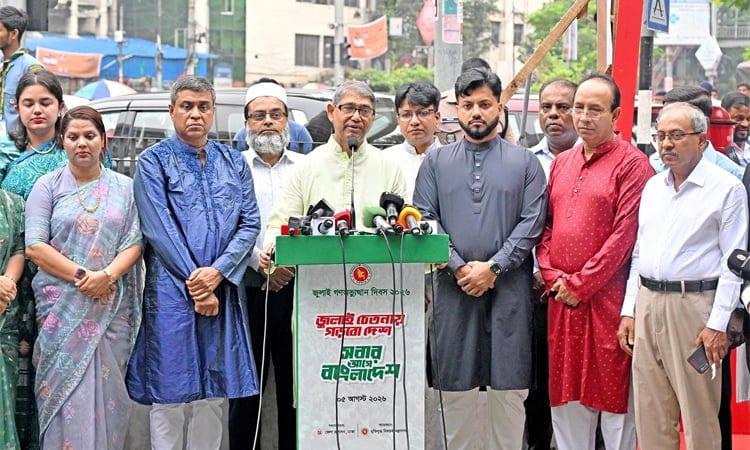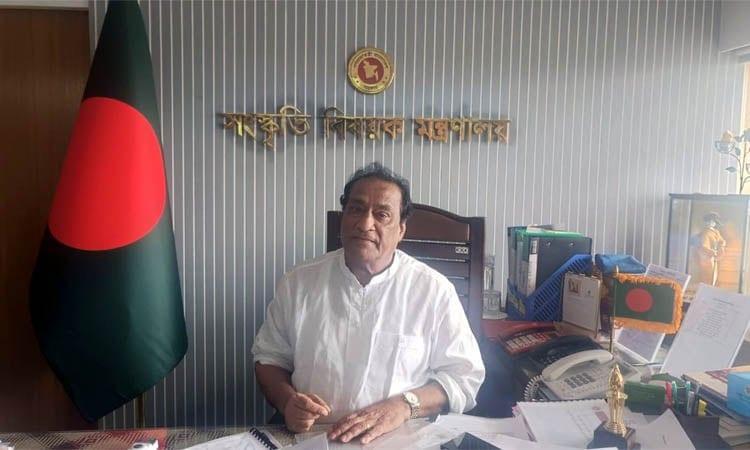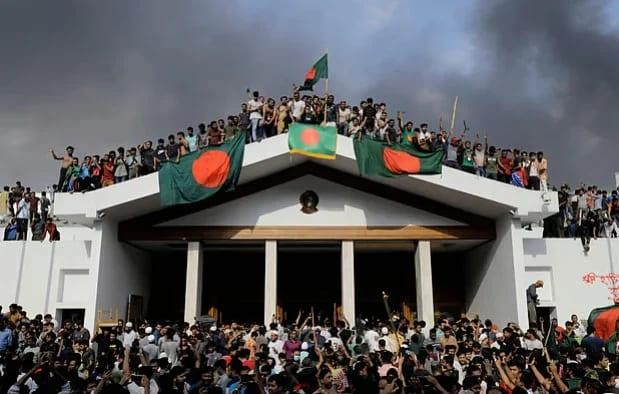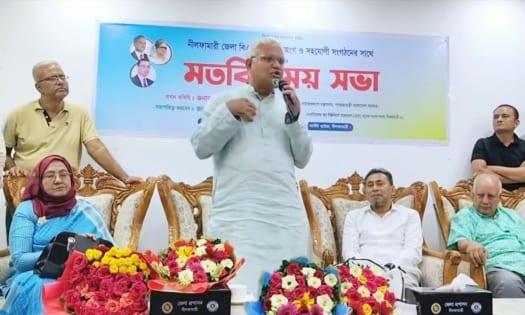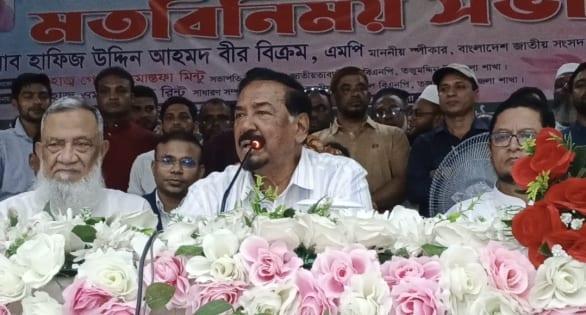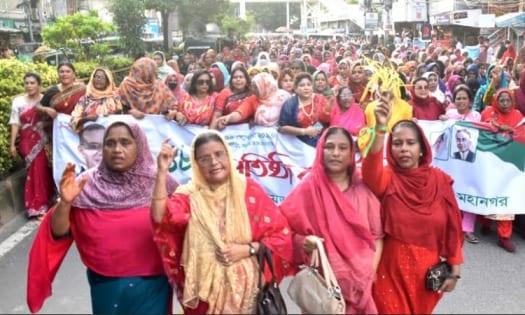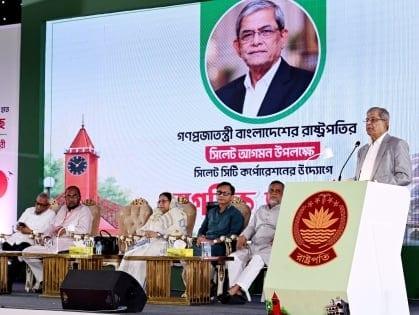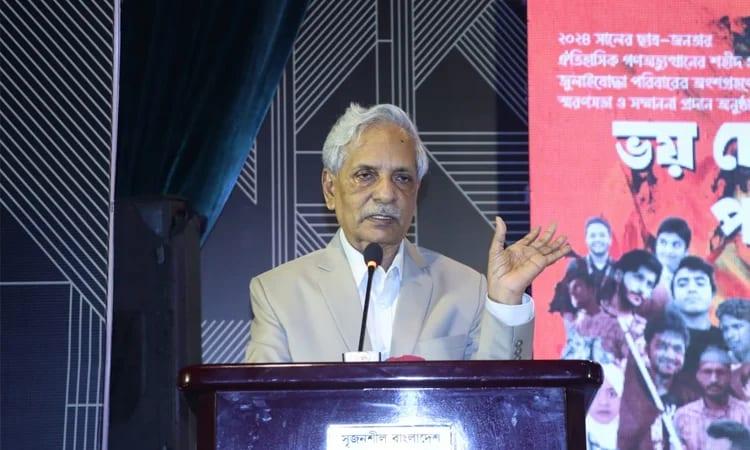
In a poignant address at a memorial event for victims of the July uprising, Cultural Affairs Minister Nitai Roy Chowdhury emphasized that the political transformation witnessed in Bangladesh between July 15 and August 5, 2024, was an inevitable outcome of the people's collective stand against fascism. Chowdhury highlighted that the uprising was a defining moment, where citizens from various walks of life came together to demand a democratic society free from oppressive forces.
The Inevitable Shift
Chowdhury pointed out that the July-August 2024 period marked a historic shift in Bangladesh's political landscape. The uprising was not merely a protest but a profound expression of the populace's yearning for democratic ideals, leading to the eventual downfall of the fascist regime. The minister noted that this change was the result of sacrifices made by students and activists who stood against the oppressive authorities.
A Dark Chapter in History
Bangladesh Shilpakala Academy Director General poet Rezauddin Stalin described the events surrounding the killing of students during the July uprising as a tragic and rare chapter in the nation's history. Stalin underscored the then ruling authorities' use of violence to cling to power, further fueling the public's resolve to demand democratic reforms.
Why This Matters for Bangladesh
The political transformation following the July-August 2024 uprising is crucial for Bangladesh as it signifies a move towards greater democratic governance and the protection of fundamental rights. This change not only honors the sacrifices of those who fought against fascism but also sets a precedent for future generations to uphold democratic values.