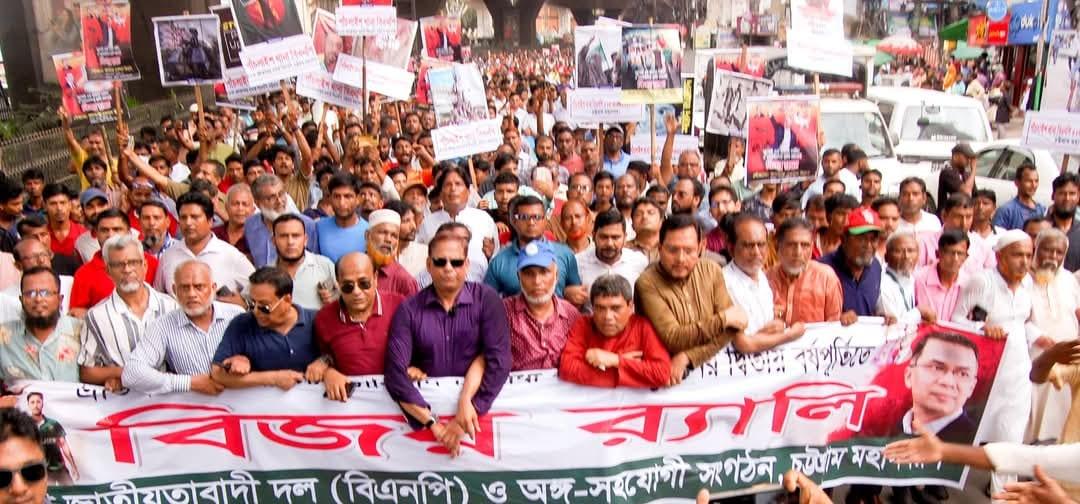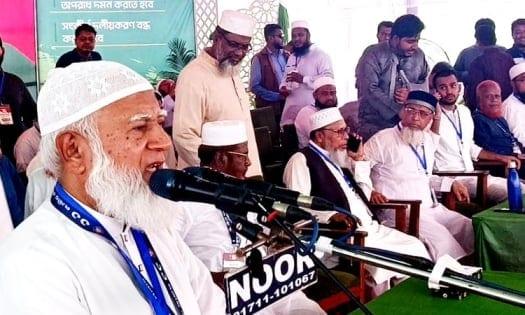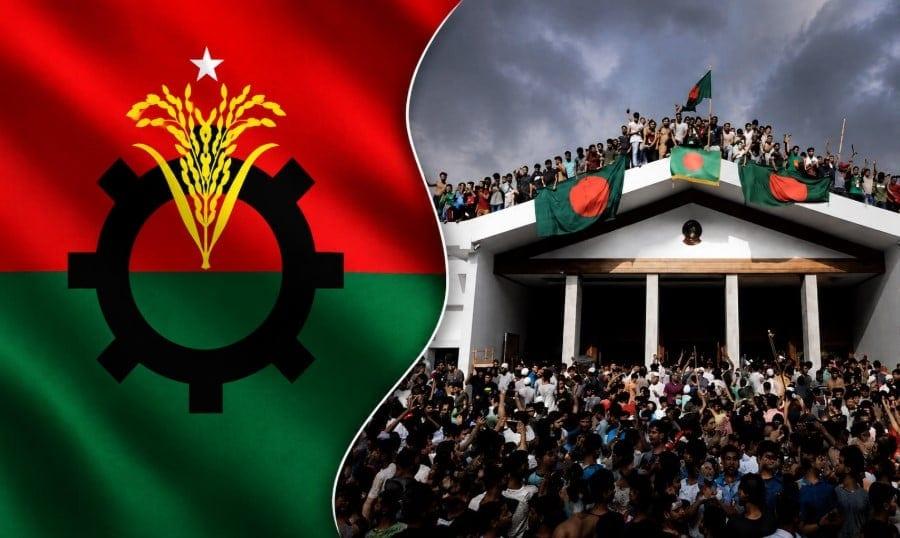
Leaders and activists of the Bangladesh Nationalist Party (BNP) and its associated organizations played a crucial role in accelerating the momentum of the bloody July Uprising of 2024. The long-standing persecution by the Hasina government had a profound impact on the social lives of BNP members, motivating them to risk their lives for a new dawn free from fear and oppression.
Impact of Persecution
The persecution by the Hasina government created a toxic environment, affecting everyone from BNP leaders and activists to well-wishers. This environment fueled the resolve of BNP members to participate actively in the uprising, aiming for a future where there would be no fear of attacks, lawsuits, or disappearances.
Sacrifices and Losses
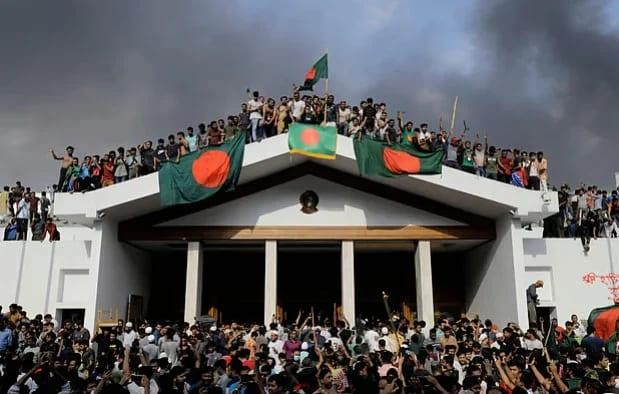
The Awami League government fell on August 5, 2024, following the student-public mass uprising. Over 1,500 people were martyred, with the highest number being leaders, activists, and supporters of BNP and its associated organizations. On February 13, 2025, BNP submitted a list of 848 martyrs to the International Crimes Tribunal, including 524 direct leaders and activists and 324 supporters.
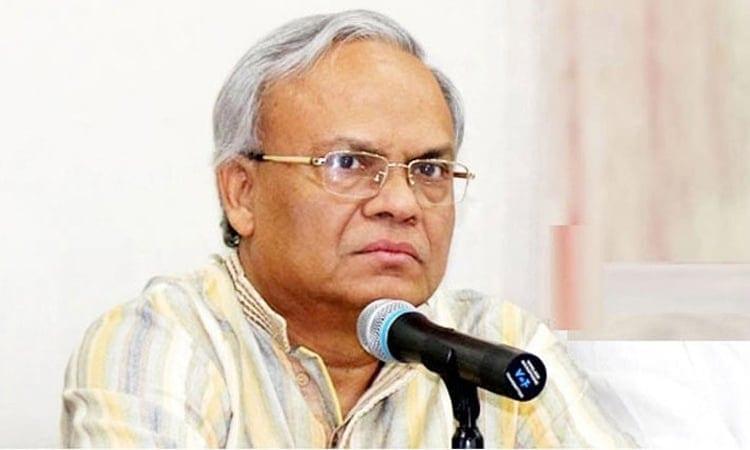
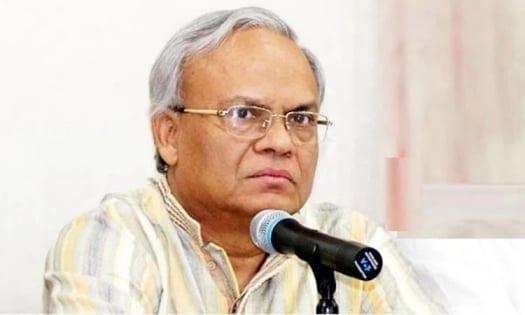
BNP Senior Joint Secretary General Ruhul Kabir Rizvi highlighted that the foundation of the July Uprising was laid through 17 years of continuous movement and struggle under the leadership of former Chairperson Begum Khaleda Zia and current Chairman Tarique Rahman. Leaders and activists at all levels were involved from the beginning, playing a pioneering role in various programs.
Jatiyatabadi Juba Dal (JJD) President Abdul Moneym Munna emphasized the active role of JJD leaders and activists, who risked their lives in the movement. Similarly, Bangladesh Jatiyatabadi Chhatra Dal (JCD) President Rakibul Islam Rakib noted that 144 leaders, activists, and supporters of Chhatra Dal were martyred, driven by the resolve to build a democratic, independent, and fascism-free Bangladesh.