The Pulse Today
BREAKING
Sajib Pledges Aid for 50,000 Flood-Affected People in SonargaonMP Azharul Islam Mannan Distributes Relief Funds to Needy Families in SonargaonParliament Proposes Anti-Gambling Bill with Maximum 7-Year Prison PenaltyOpenAI Unveils 'Schedule' Feature to Boost Task Management in AI ChatbotPrime Minister Tareq Rahman Arrives in Dalian, China for Economic ForumEurope Confronts Intense Heatwave; Conditions Predicted to DeteriorateGold Prices Rise Again in Bangladesh Amid Global Market IncreaseSpaceX's Nasdaq Debut Values Company at Over $2 Trillion, Surpassing AmazonStudy Reveals AI Data Centers Contribute to Local Temperature IncreasesNarayanganj BNP Youth Wing Holds Rally to Welcome New Central CommitteeBCB Integrity Unit Commits to Combating Corruption in Bangladesh CricketBRICS Nations Urge Restraint Amid Escalating Middle East TensionsRangpur Range DIG Mabud: Teaching's Noble Role in Shaping LivesTrump Endorses Irish Unification During Dublin Visit, Sparking DebateJatiya Sangsad Speaker Accuses Sheikh Hasina of Masterminding Disappearances and KillingsIranian President Pezeshkian Meets UAE Crown Prince Amid Rising Middle East TensionsBangladesh Highlights Apparel, Textile, and Leather Products at Milan Trade FairRUET Students Present Innovations at Bangladesh Innovation Fair 2026PRAN-RFL Group Opens Zero Discharge Plant in Habiganj to Boost SustainabilityECNEC Approval Anticipated for 442-MW Rampal Solar Project in BagerhatBCI Workshop Boosts Business Capacity in Public Procurement and e-GP SystemXi Jinping Calls for End to Middle East Conflict at BRICS SummitBobby Hajjaj Announces Plan to Harmonise Bangla and English Medium CurriculaYemen Government Forces Launch Strikes Against Houthi Fighters in Key Red Sea CityRussian Delegation Confirmed for G20 Energy Meeting in Houston

BRICS Nations Urge Restraint Amid Escalating Middle East Tensions

Leaders from the BRICS nations, including China, Russia, and India, have called for 'maximum restraint' in the ongoing Middle East conflict during a summit in New Delhi.

By Staff Correspondent
Share
BRICS nations urge 'maximum restraint' in Middle East war | International
BSS

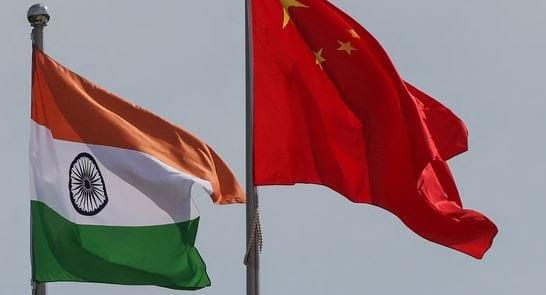
Leaders from the BRICS nations, including China, Russia, and India, have called for'maximum restraint' in the ongoing Middle East conflict during a summit in New Delhi. Overcoming earlier divisions, the 11-nation group issued a joint statement expressing deep concern over the continued escalation of tensions in the region. The statement emphasized the need to avoid actions that could further aggravate the situation.

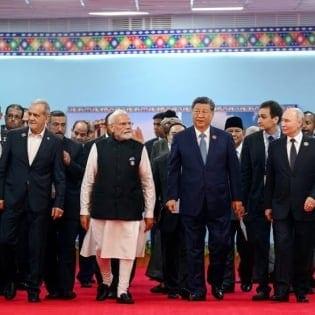
Chinese President Xi Jinping, who joined leaders from Russia, Iran, India, and other nations in the Indian capital, highlighted that the Middle East war 'does not serve the common interests of the international community.' This call for calm comes after foreign ministers of the BRICS grouping failed to agree on a joint statement in May due to divisions among member nations over the conflict.

The BRICS bloc, created in 2009 as a forum for major emerging economies, seeks to bolster its global influence and address issues such as conflict, trade turbulence, and energy security. Indian Prime Minister Narendra Modi, who hosted the summit, called for transforming the 'pyramid of privilege' into a 'platform of partnership,' emphasizing a system where every country has a voice and humanity's development is central.

Modi noted that BRICS nations represent 50 percent of the world's population, 40 percent of global GDP, and more than 25 percent of global trade. However, balancing the interests within the bloc remains a challenging diplomatic task. India, for instance, maintains cordial relations with both Iran and Israel while carefully navigating its ties with Washington.

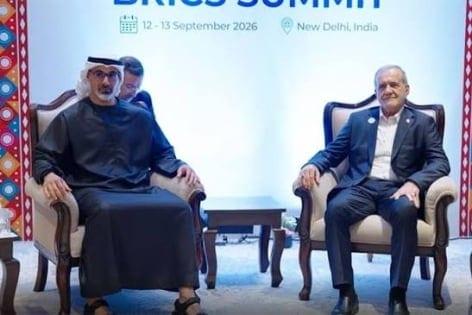
Iranian President Masoud Pezeshkian, who attended the summit, recently warned that the Middle East does not need the United States to be a'regional policeman.' His attendance at the summit followed a meeting with Abu Dhabi Crown Prince Khaled bin Mohamed bin Zayed on the sidelines. India has managed the energy crisis caused by the US-Iran war partly by turning to Russia, despite Moscow's conflict in Ukraine and pressure from Western capitals.
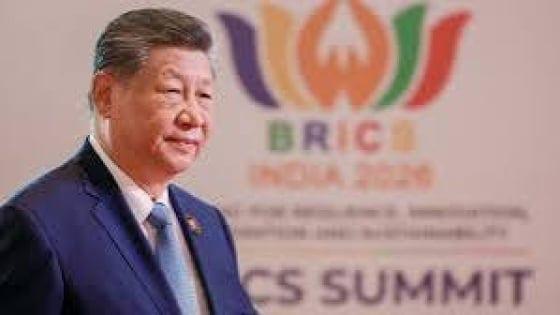
Source: BSS

Topics

Comments

Related stories

More in World

See all →

Latest stories