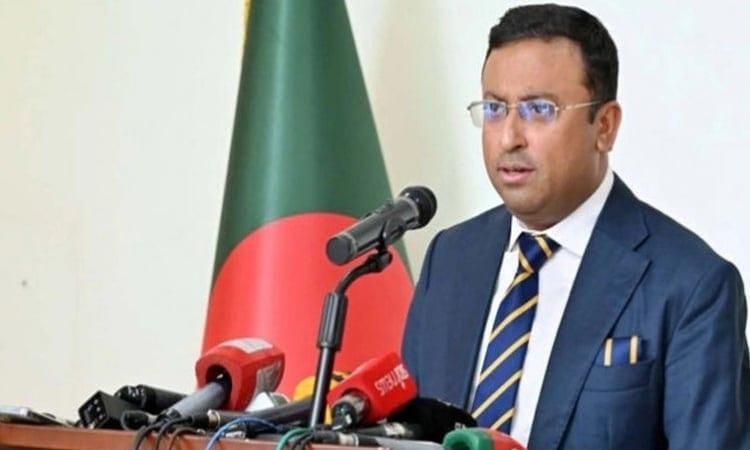
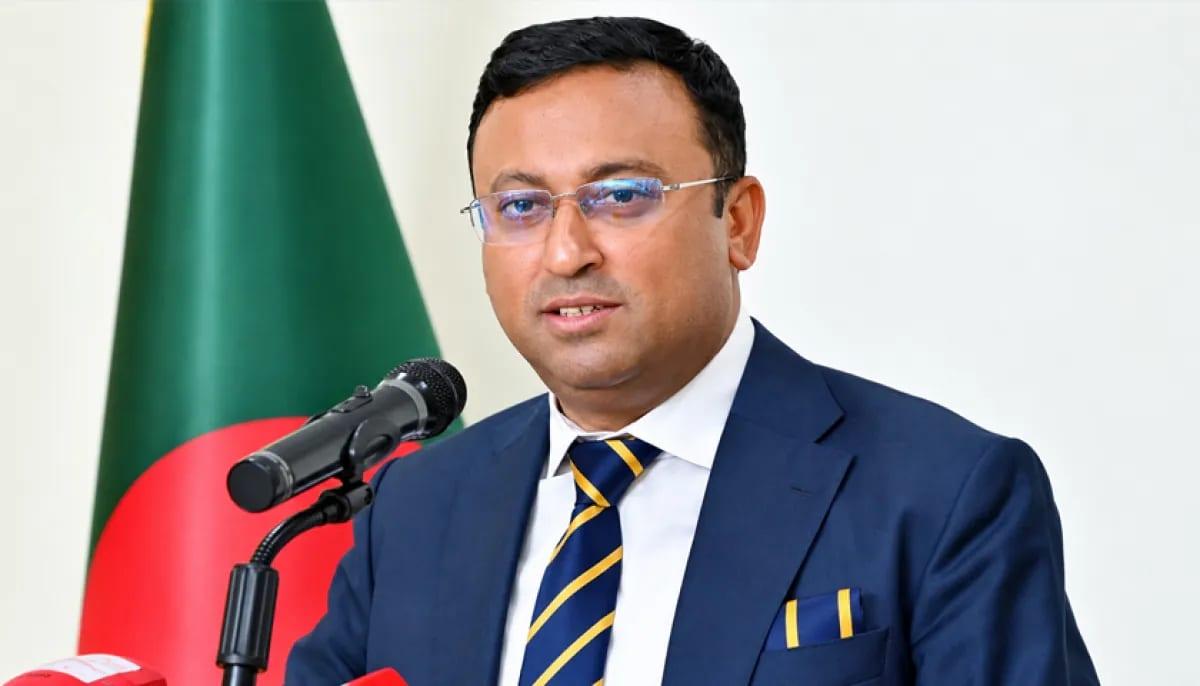
Bangladesh has renewed its call for de-escalation and a diplomatic resolution to the Middle East conflict, emphasizing the safety and wellbeing of approximately eight million Bangladeshis living and working across the region. State Minister for Foreign Affairs Humaiun Kobir reiterated this position during a media briefing following a courtesy call by Iranian Ambassador to Bangladesh Dr Jalil Rahimi Jahanabadi. Kobir stressed the importance of dialogue and a peaceful solution through diplomatic means.
The significant Bangladeshi diaspora in the Middle East comprises around eight million people, making their safety a paramount concern for Dhaka. Kobir highlighted this during the briefing, noting that the wellbeing of these citizens is a critical factor in Bangladesh's foreign policy considerations regarding the region.
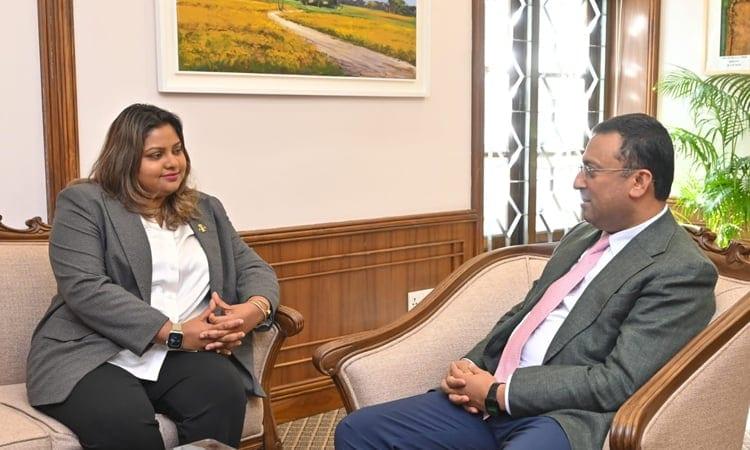
During the meeting, Kobir and the Iranian ambassador discussed the latest developments in the Middle East, along with bilateral issues. Bangladesh and Iran share a long-standing historical relationship, with strong bilateral ties and people-to-people contacts dating back to the early years of Bangladesh’s independence. Kobir thanked Tehran for its recent assistance in evacuating Bangladeshi citizens who were stranded in the Iranian capital amid regional tensions.
Bangladesh’s involvement in security cooperation in the Middle East, particularly its maritime cooperation with Saudi Arabia aimed at addressing security challenges posed by the Houthis, was also a topic of discussion. Kobir clarified that Bangladesh’s role is strictly limited to supporting Saudi Arabia in addressing these challenges and should not be interpreted as participation in any hostile action against Iran. He emphasized that Bangladesh does not support, participate in, or call for any aggression or attacks against Iran.
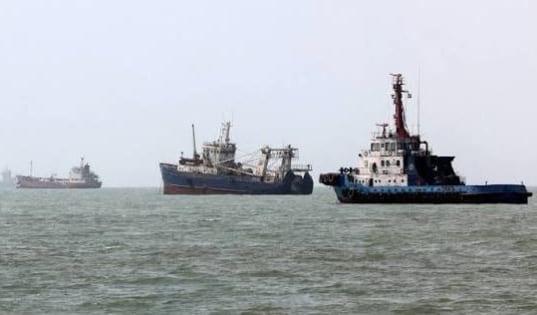
Regarding the disruption to shipping through the Strait of Hormuz, Kobir noted that keeping the strategic waterway open is a complex issue involving multiple actors. He stressed that Bangladesh continues to advocate for diplomatic engagement within a proper de-escalation framework to resolve the situation. Dhaka specifically requested Tehran to facilitate and prioritize the movement of Bangladeshi shipments and stranded cargo containers once navigation through the Strait of Hormuz resumes.
The safety and wellbeing of the large Bangladeshi diaspora in the Middle East underscore the significance of Dhaka's call for de-escalation. The region's stability is crucial not only for the citizens living there but also for the broader geopolitical implications it holds for Bangladesh.