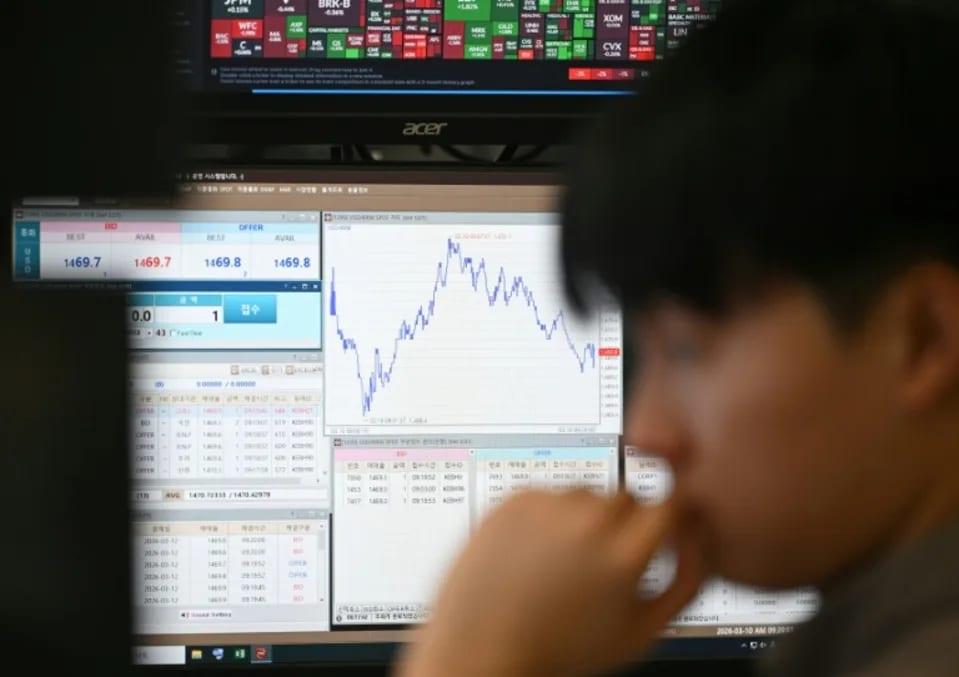
Bangladesh Bank (BB) has launched a Foreign Exchange Market (FXM) Module to automate foreign exchange intervention, interbank transactions, and reporting-related activities. This initiative aims to enhance efficiency, transparency, and reliability in the country's foreign exchange market.
Inauguration and Development
BB Governor Md Mostaqur Rahman formally inaugurated the FXM system at the central bank's Foreign Currency Management (FCM) department. Deputy Governor Dr Md Kabir Ahmed and Director of Foreign Reserve and Treasury Management Department-1 A.K.M. Ramizul Islam were also present at the event. The FXM module has been developed by Bangladesh Bank's own officials to automate activities that were previously carried out manually.
Objectives and Benefits
The primary objectives of the FXM module include automating foreign exchange interventions, interbank transactions, and reporting activities. By automating these processes, the module aims to conduct foreign exchange transactions in real-time and facilitate the preparation of accurate reference rates. This automation is expected to improve the accuracy, transparency, and reliability of related information.
The system is designed to enhance commercial banks' capacity to make timely decisions and improve the efficiency of their operations. Real-time availability of information will also strengthen Bangladesh Bank's market surveillance and enable the central bank to make timely and realistic decisions based on updated market data.
Implementation and Expectations
Bangladesh Bank has issued a circular to concerned banks along with Operational Guidelines detailing the use and procedures of the FXM system. The central bank expects this automation to enhance efficiency, transparency, and accountability in the country's foreign exchange market operations. It is also anticipated to strengthen market management and support more effective policy decisions.
Why This Matters for Bangladesh
The introduction of the FXM module is a significant step towards modernizing Bangladesh's foreign exchange market. By automating key processes, the module will help maintain stability in the domestic foreign exchange market, improve the accuracy of reference exchange rates, and enhance the overall efficiency of market operations. This, in turn, will support better liquidity and risk management for commercial banks, ultimately benefiting the broader economy.