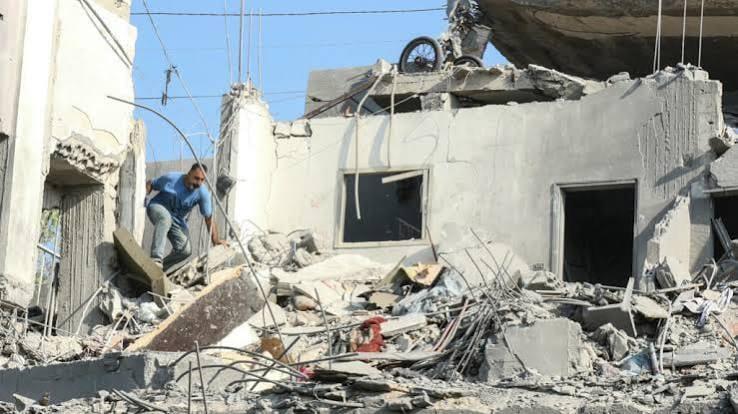
Iran has launched retaliatory strikes against American interests in Bahrain, Kuwait, and Jordan, following a series of US attacks that Tehran claims killed civilians. The strikes come after the Iranian Red Crescent reported that four people, including a child, were killed when shrapnel from a US missile hit a home during a wedding celebration in Kuhestak.
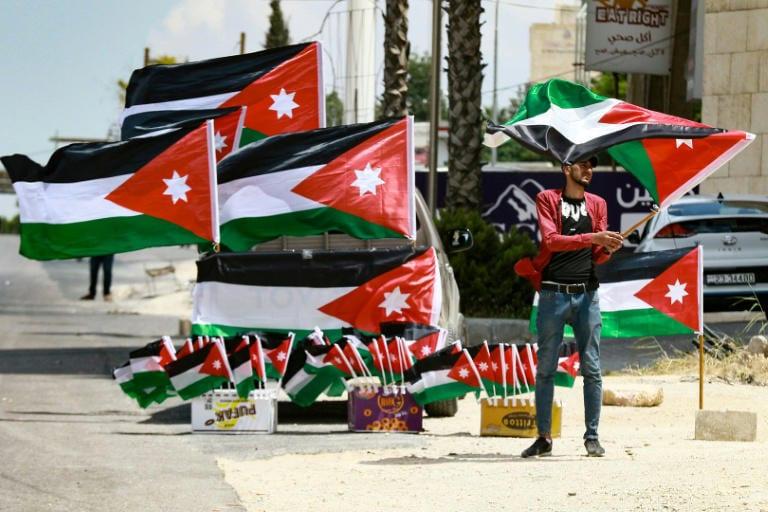
According to Iranian news outlet Tasnim, the US Marine Corps base Camp Titin in Jordan was targeted in an "intense ballistic missile attack" by Iran's Revolutionary Guards. The Jordanian army intercepted 10 ballistic missiles fired from Iran, with three other missiles landing in remote areas. No injuries or hits on the US training camp were confirmed.
Missile and drone attacks were also reported in Kuwait, where the army said they were responding to Iranian hostilities. In Bahrain, AFP reporters heard alert sirens for airborne attacks early Wednesday.
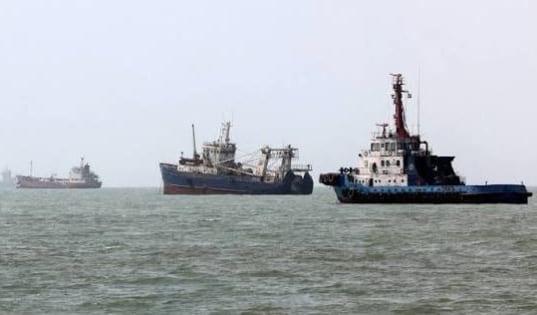
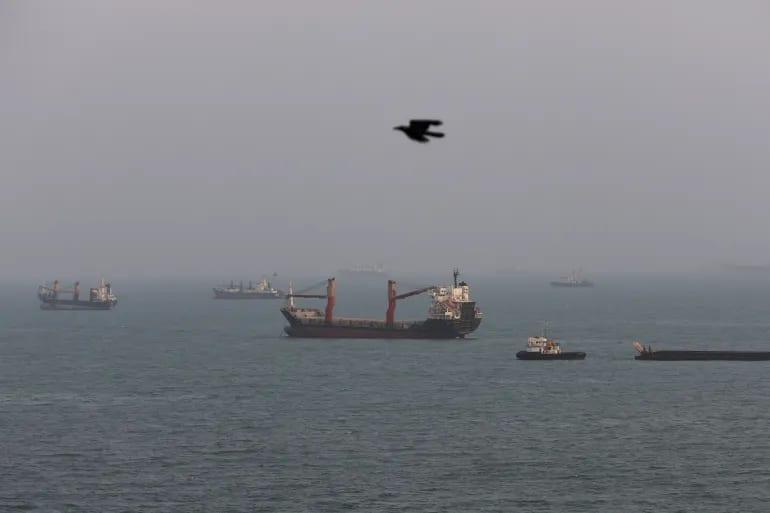
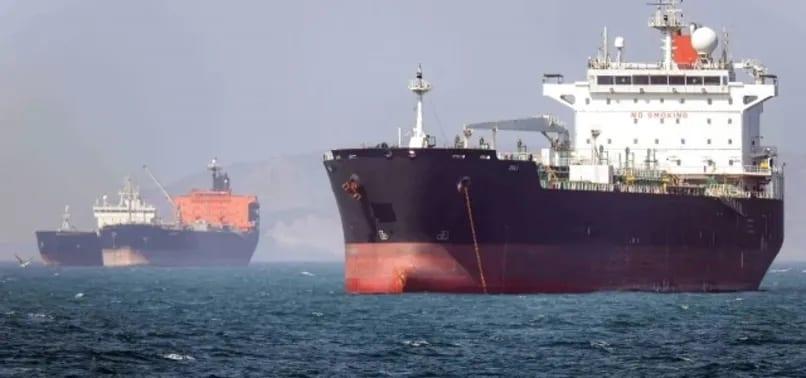
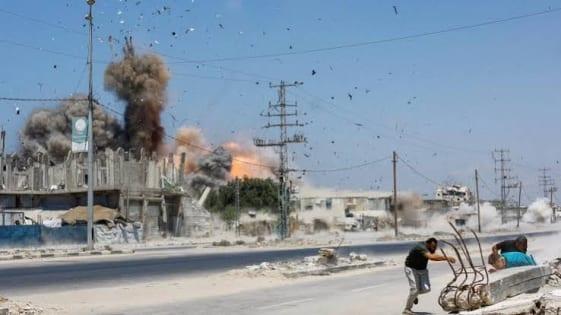
The escalation began when Washington hit Iranian targets on Sunday, the first known strikes in several weeks. Tehran's forces then targeted US troops in Jordan and the United Arab Emirates, and projectiles struck two oil tankers in unclaimed attacks. More US strikes followed on Tuesday, with Iranian state television reporting explosions in the country's south along the strategic Strait of Hormuz waterway and on an island in the Gulf.
US Central Command (CENTCOM) spokesperson, Captain Tim Hawkins, stated that the US military never targets civilians, contrasting with Iran's Revolutionary Guards. CENTCOM said the strikes followed "recent attempted attacks by (the Revolutionary Guards) against commercial shipping in the Strait of Hormuz and against American service members deployed to the region".
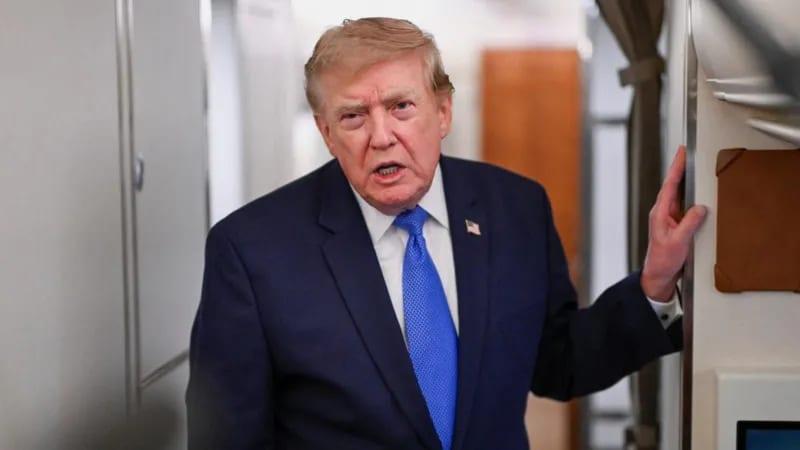
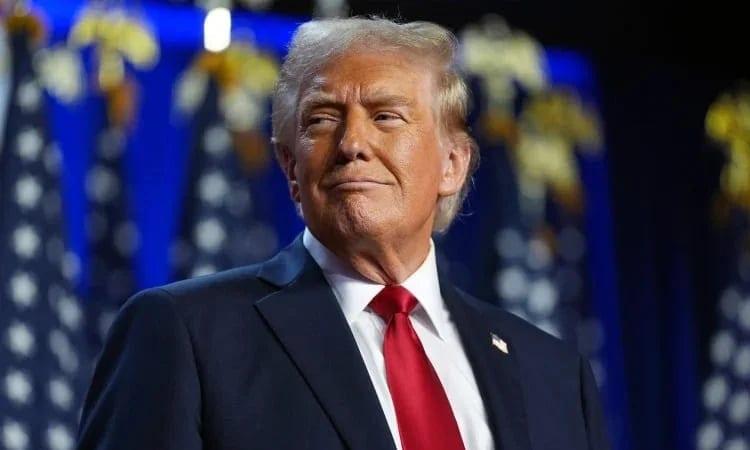
US President Donald Trump said the "large and powerful" strikes were "in retaliation for the Iranians' failed attempt at adding sea mines to the Strait" and "the Iranians shooting eight missiles, all successfully knocked down, at our Military Base in Jordan". Earlier, Revolutionary Guards spokesman Hossein Mohebi warned on X that Washington "will regret its new attacks", saying that "severe punishment awaits the aggressors".
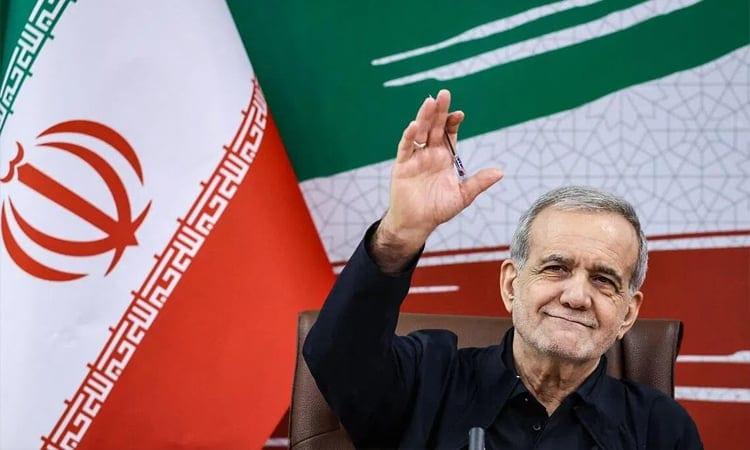
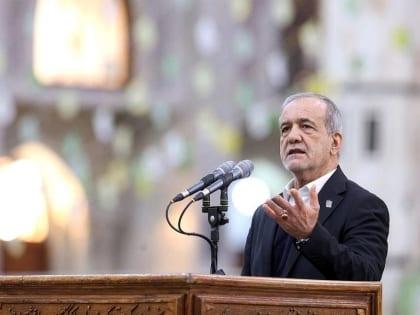
The ongoing conflict between the US and Iran, which began in late February with US and Israeli attacks on Iran, has led to a fragile ceasefire collapsing after attacks on commercial ships in the Strait of Hormuz. The Strait, through which one-fifth of world oil supplies flowed before the war, remains a critical point of contention. Iran's President Masoud Pezeshkian vowed to match any US move to return to a deal aimed at ending the war, warning that a return by the United States to "a policy of pressure and threats could derail the path of diplomacy".