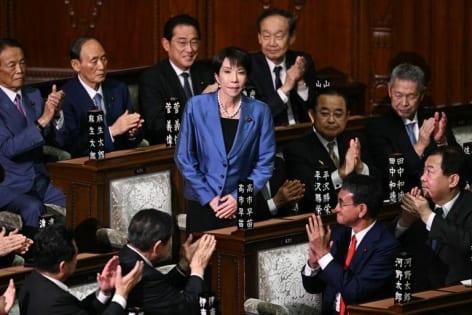
Japan has eased overtime regulations in a move aimed at spurring economic growth, but critics argue it represents a step back into the nation's ingrained workaholic culture. The change, which took effect Tuesday, comes after Prime Minister Sanae Takaichi, a self-proclaimed workaholic, adopted a growth strategy in July that called for revisions to current oversight of work hours.
Economic Growth vs. Work-Life Balance
The revision reflects calls from certain business sectors for more flexible work styles as they deal with a deepening labour shortage. Currently, around 40 percent of businesses in Japan operate under specific labour-management agreements that legally allow monthly overtime of up to 100 hours. However, authorities advised these companies to cap overtime at 45 hours each month to mitigate risks of 'karoshi' or deaths from overwork.
Under the new rule, labour standards inspection offices will no longer pressure businesses to adhere to the 45-hour limit. A Japan Chamber of Commerce and Industry survey indicated that this pressure was 'restricting' the activity of around 20 percent of Japan's small and mid-sized businesses, particularly in short-staffed industries like construction, transport, and hospitality.
Criticism and Labour Ministry Stance
Critics argue that the move reverses efforts to modernize Japan's corporate culture, which has long centred around marathon work hours. The National Confederation of Trade Unions in Tokyo, known as Zenroren, condemned the policy shift, stating it abolishes the policy that urged companies to shorten work hours. This change is particularly controversial following high-profile cases of overwork-related deaths, such as the 2015 suicide of a 24-year-old employee at advertising giant Dentsu.
Prime Minister Takaichi, known for her extreme work ethic, has been criticized for embodying the workaholic culture she now appears to endorse through policy. The labour ministry, however, asserts it will continue to monitor companies to ensure they take measures to protect employee wellbeing. Businesses without special labour-management agreements remain legally obliged to keep monthly overtime to 45 hours or less.
This policy shift is part of a broader debate in Japan about balancing economic growth with employee welfare. As the country grapples with an aging population and labour shortages, the relaxation of overtime rules may offer short-term benefits but could exacerbate long-term issues related to worker health and productivity.