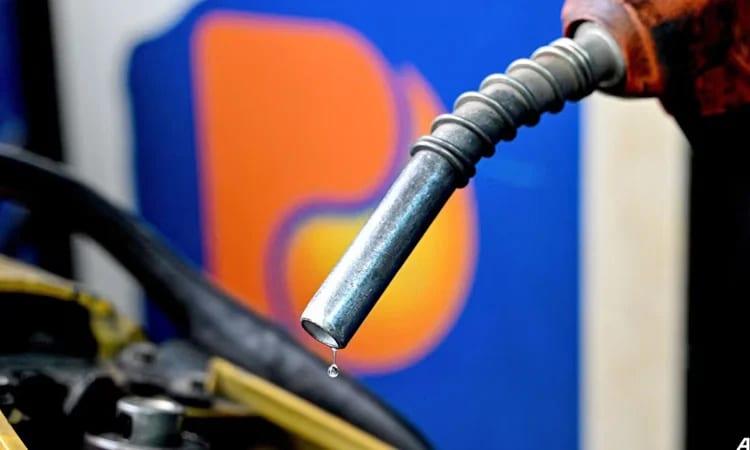
Bangladesh has decided to maintain the current fuel oil prices for the month of September, providing a temporary respite to consumers amid global volatility in oil prices. According to a statement from the Energy and Mineral Resources Division, the prices of diesel, kerosene, petrol, and octane will remain unchanged. Diesel will continue to be priced at Tk 115 per litre, kerosene at Tk 135, petrol at Tk 140, and octane at Tk 145. The unchanged rates will take effect from September 1.
Stable Prices Amid Global Fluctuations
The decision to keep fuel oil prices unchanged comes at a time when global oil prices have been experiencing significant fluctuations. The stability in domestic fuel prices is expected to provide some relief to consumers, who have been facing rising costs of living. The Energy and Mineral Resources Division's decision reflects an effort to balance the impact of global market conditions with the need to maintain economic stability within the country.
Global oil prices are influenced by a variety of factors, including geopolitical tensions, production cuts by major oil-producing nations, and changes in global demand. In recent months, these factors have contributed to volatile oil prices, making it challenging for countries to maintain stable fuel costs. Bangladesh's decision to hold prices steady indicates a strategic approach to managing the economic impact on its citizens.
Impact on Consumers and Economy
The unchanged fuel oil prices are likely to have a positive impact on various sectors of the economy. Transportation costs, which are heavily influenced by fuel prices, will remain stable, benefiting both consumers and businesses. Stable fuel prices can also help in controlling inflation, as transportation costs are a significant component of the overall cost of goods and services.
For individual consumers, the decision means that the cost of running vehicles, using generators, and other fuel-dependent activities will not increase in the coming month. This stability is particularly important for low-income households, who are more sensitive to changes in fuel prices. Additionally, businesses that rely on transportation for their operations, such as logistics and delivery services, will benefit from predictable fuel costs, allowing them to plan their budgets more effectively.
The government's decision to maintain fuel prices also underscores the importance of energy policy in ensuring economic stability. By keeping fuel prices unchanged, the government is sending a message of reassurance to the public, indicating that it is taking steps to mitigate the effects of global economic uncertainties. This approach is crucial in maintaining public confidence and ensuring that the economy remains resilient in the face of external shocks.