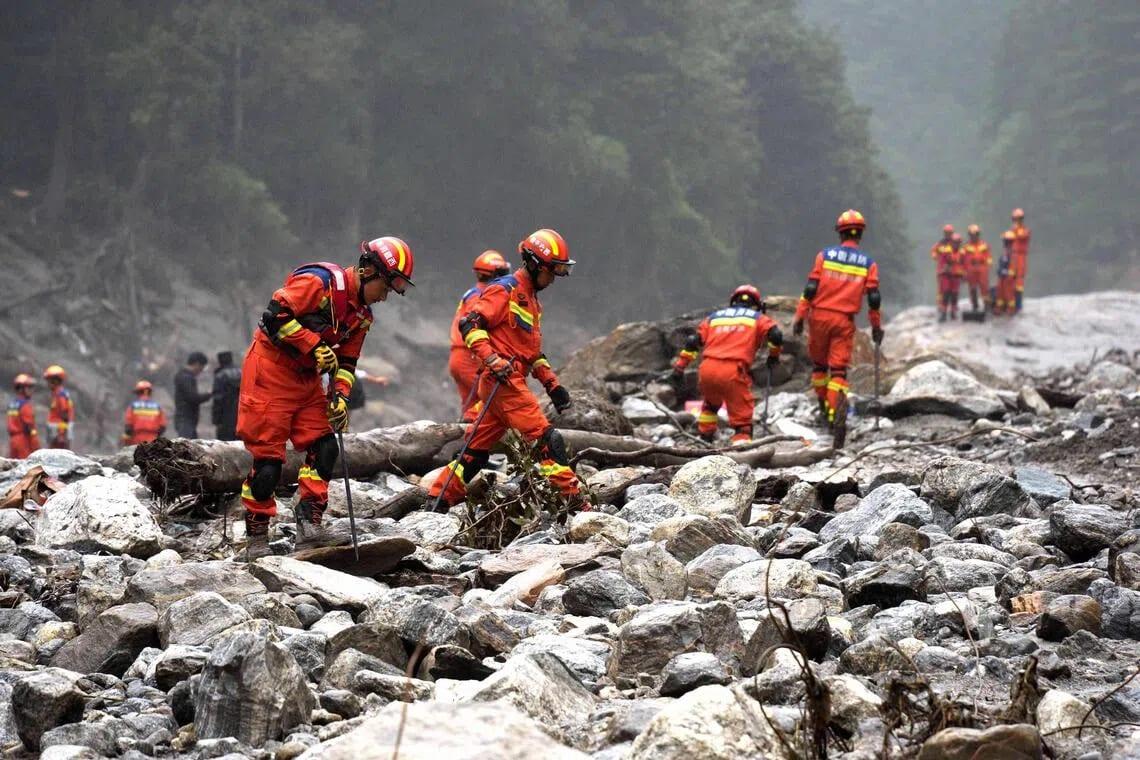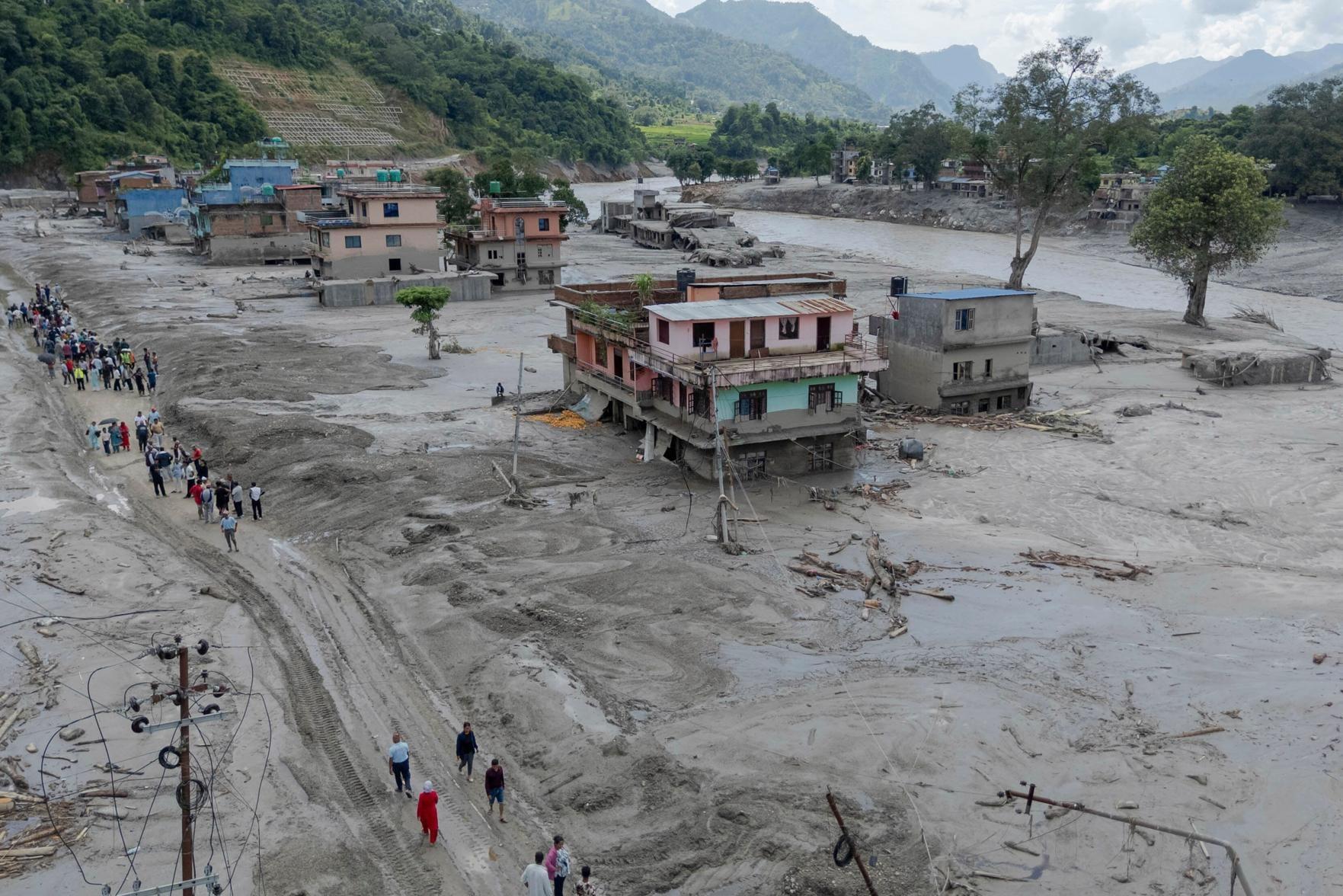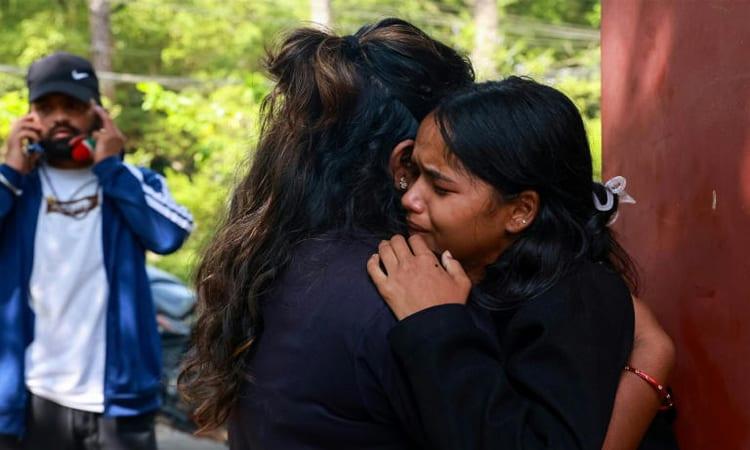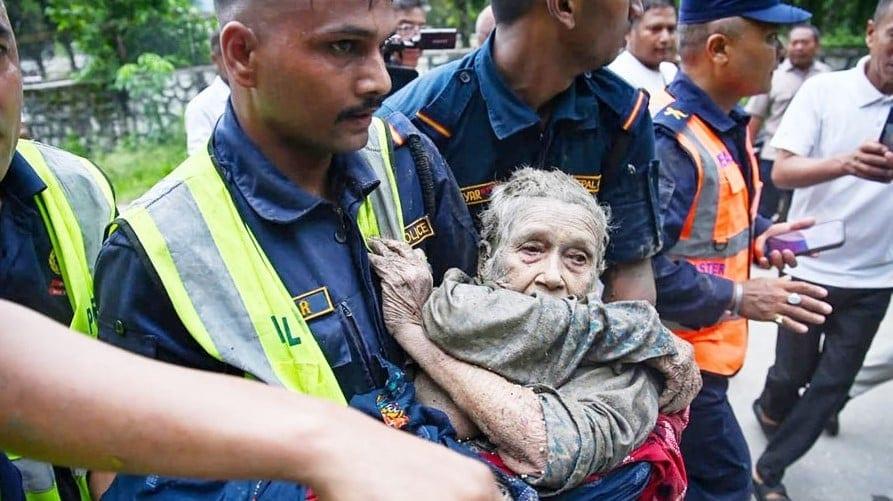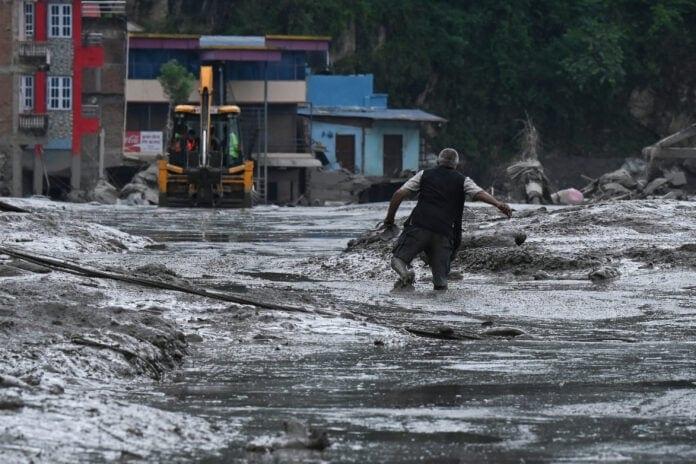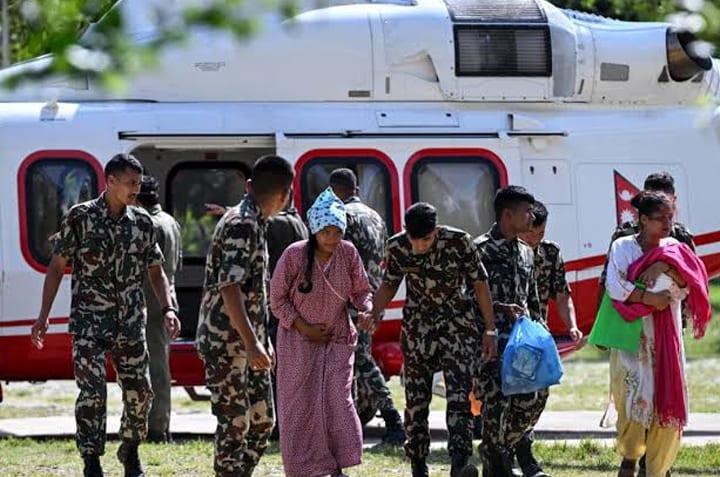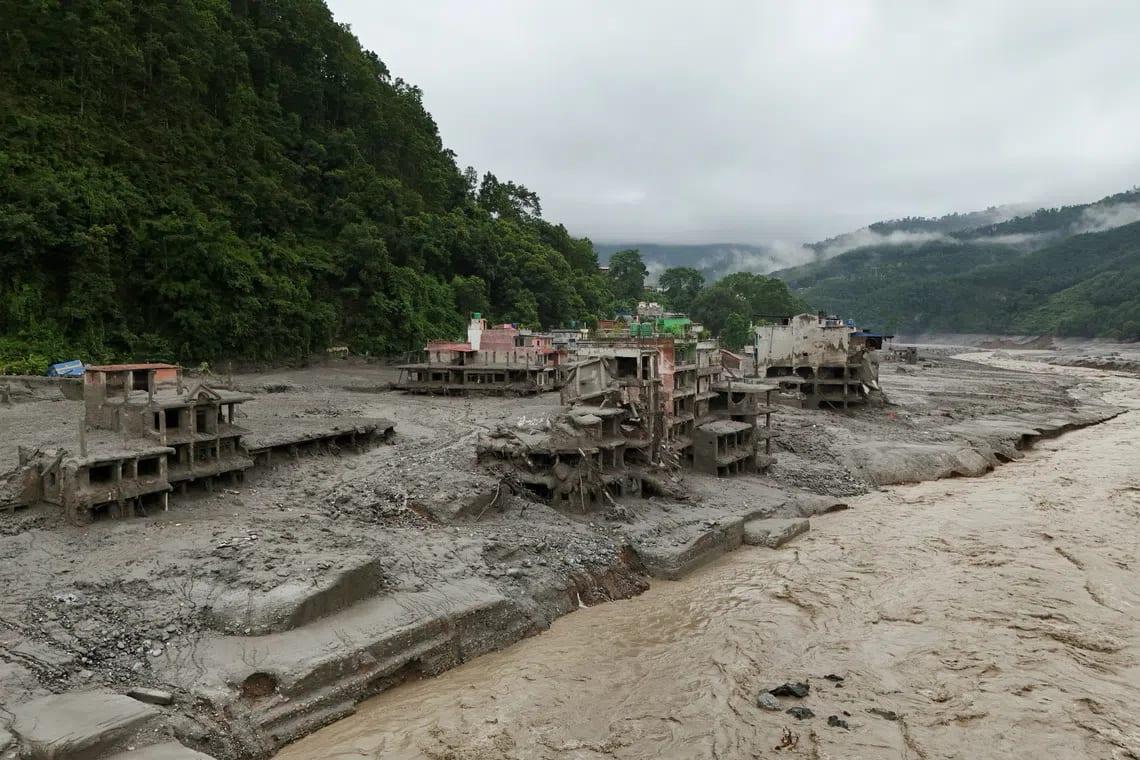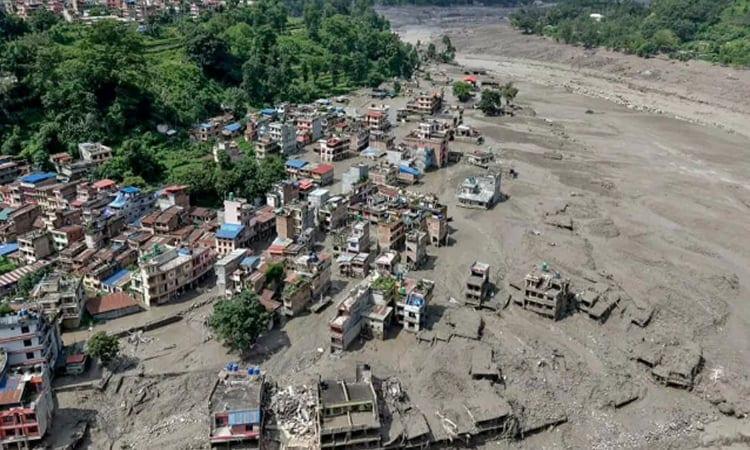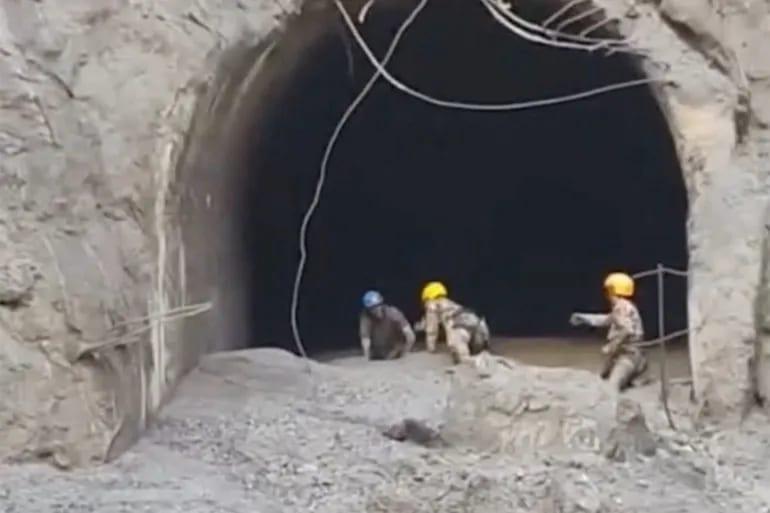
Nepali rescuers are racing against time to free dozens of hydropower workers believed trapped in tunnels after devastating floods, as search efforts enter their sixth day. Officials report that rescuers have retrieved three bodies from two tunnels, with routes smothered in mud. Despite no contact with those feared trapped, the government holds hope that more than 100 workers may still be alive inside multiple tunnels.
Among the 933 hydropower workers missing since a wall of mud and debris swept through on Wednesday morning, according to the National Disaster Risk Reduction and Management Authority, the focus is on the Upper Trishuli 3A site. Rescuers have broken through into the upper part of a mud-swamped tunnel, pumping air inside and using drilling and excavator machines to dig down. "When members of the team descended using ropes and called out to those inside, there was no response," Prime Minister Balendra Shah said in an update on Sunday night.
The Nepal Army reported on Monday morning that work continues to "clear water, mud, and sediment from inside the tunnel." Specialised tunnel-rescue teams from India, China, and South Korea are assisting in the efforts. At another site, Upper Trishuli-1, a Chinese team entered approximately 300 meters into the tunnel and conducted a search, recovering one body. At the Chilime Hydro tunnel, where Indian teams are deployed, rescuers entered 100 meters inside but found the tunnel blocked farther in, with mud and soil. During the operation, two bodies were recovered.
Nepali expert mountain rescue teams, who regularly aid climbers on the world's highest peaks, including Everest, are also participating in the rescue efforts. Rescue operations continue to support the tens of thousands impacted by the floods, with roads and bridges destroyed. "We are continuing to work for search, rescue and relief operations," Netra Bahadur Karki, Armed Police Force spokesman, told AFP. "Rescue teams have now reached most areas, by road or by helicopters. Our priority remains rescue and safety of the people."
The Nepal Electricity Authority stated that 11 hydropower stations and one solar power station, with a combined capacity of 431.1 megawatts, had stopped operating, representing about 10 percent of the country's installed electricity generation capacity. Another 15 power projects under construction, with a planned capacity of 470 megawatts, were damaged. The situation underscores the critical infrastructure challenges faced by Nepal in the wake of natural disasters.
The ongoing rescue efforts highlight the resilience and determination of Nepali rescuers and international teams working together in the face of overwhelming odds. The disaster has not only impacted the hydropower sector but also disrupted the daily lives of thousands of people, emphasizing the need for robust disaster management and preparedness strategies. For Bangladesh, which shares similar geographical and climatic challenges, the events in Nepal serve as a stark reminder of the importance of investing in resilient infrastructure and effective disaster response mechanisms.