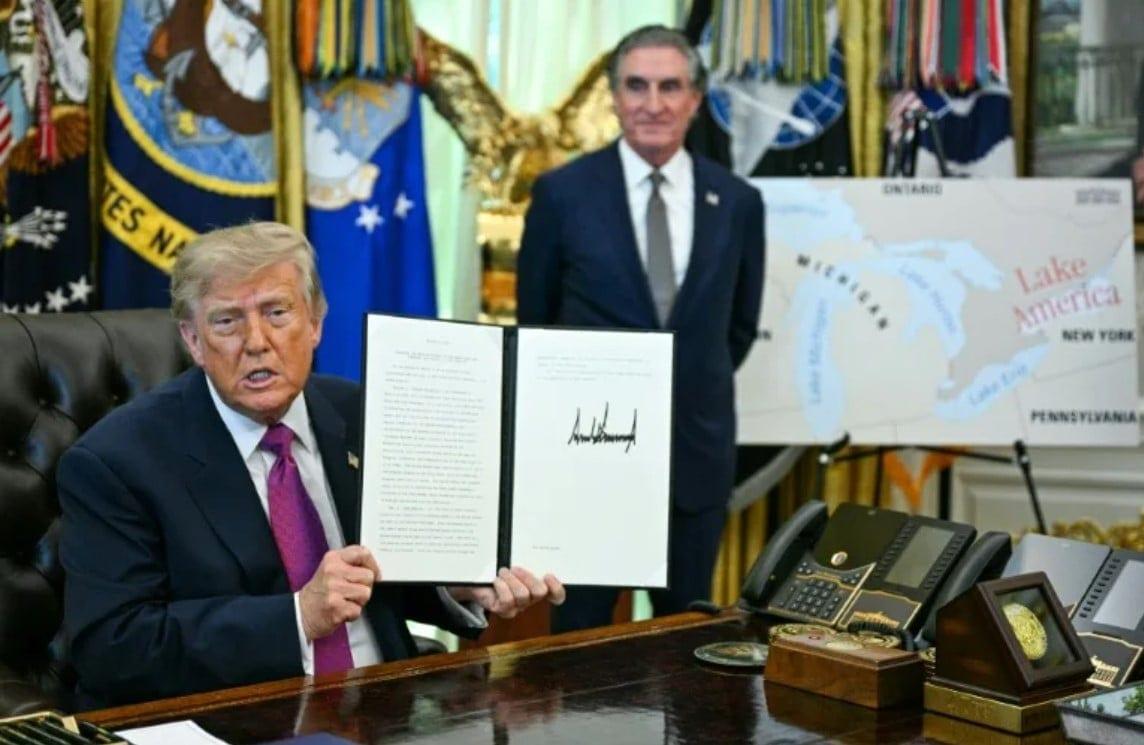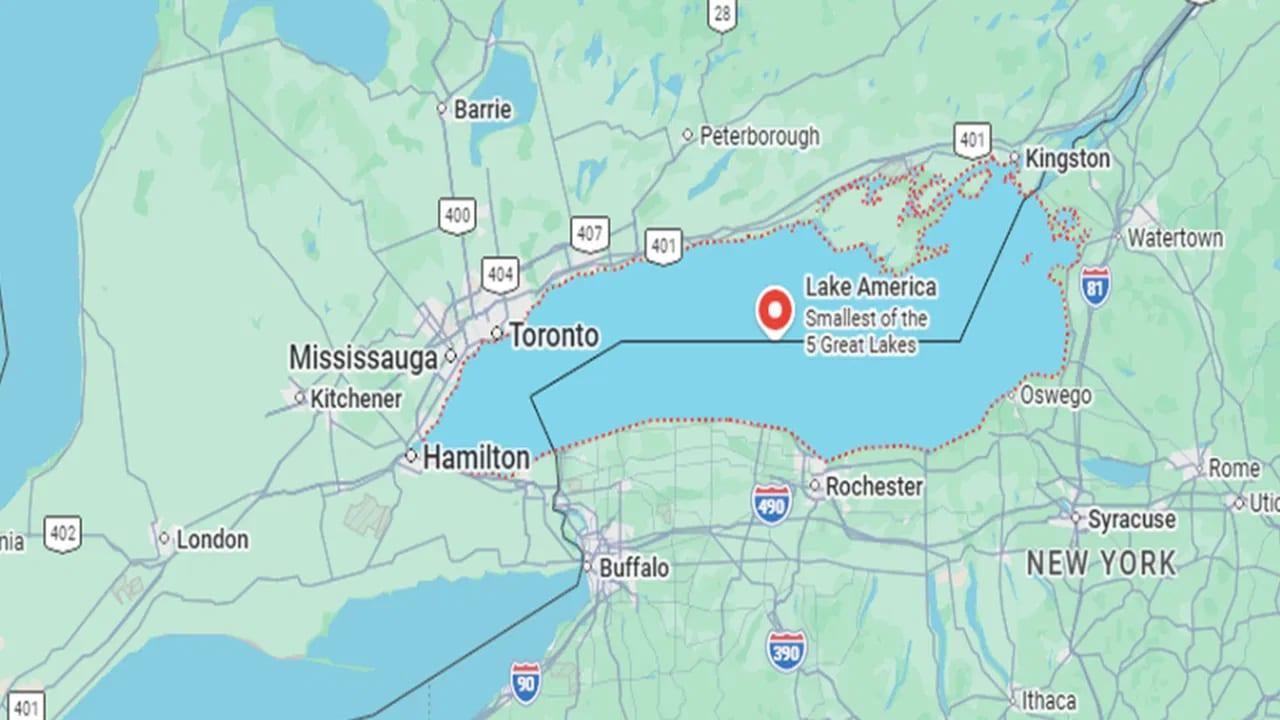
Google Maps has updated its service to reflect a name change for Lake Ontario, now designating it as 'Lake America' for users in the United States. This change follows President Donald Trump's announcement to rename the body of water, aligning with his 'America First' narrative. Canadian users, however, will continue to see the traditional name, Lake Ontario, on their devices.
Background and Context
The renaming of Lake Ontario to 'Lake America' is part of a broader initiative by President Trump to assert American dominance in various domains. This move has escalated tensions between the United States and Canada, historically close allies. The name change mirrors a similar alteration made to the Gulf of Mexico, now referred to as the 'Gulf of America' by the US administration, a decision that Mexico has also rejected.
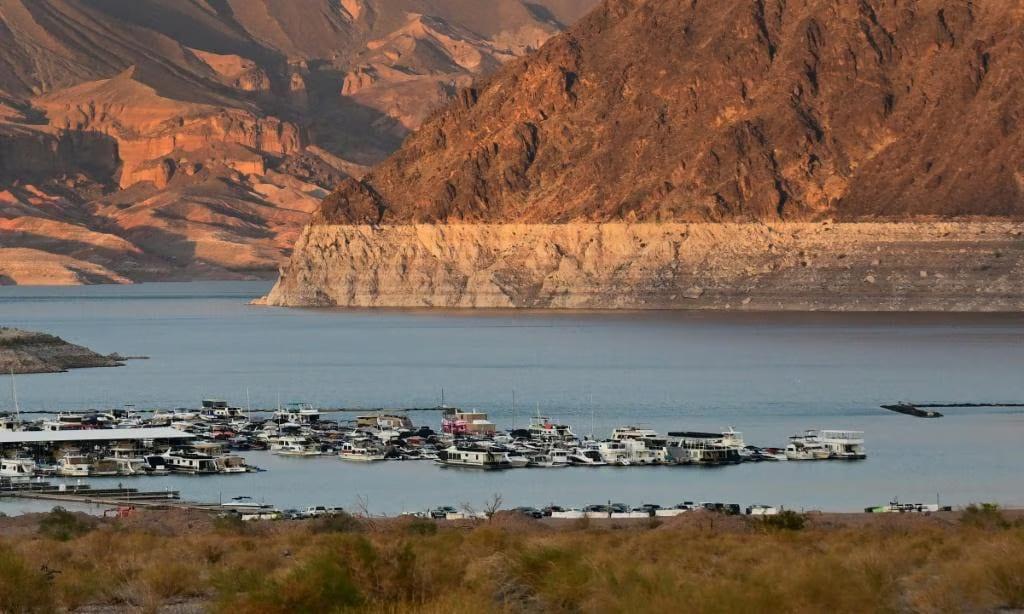
Lake Ontario, the smallest of the five Great Lakes by surface area, has been known by its Indigenous-rooted name since the 17th century. The lake straddles the border between the Canadian province of Ontario and the US state of New York, making this nomenclatural change particularly contentious.
Economic and Political Ramifications
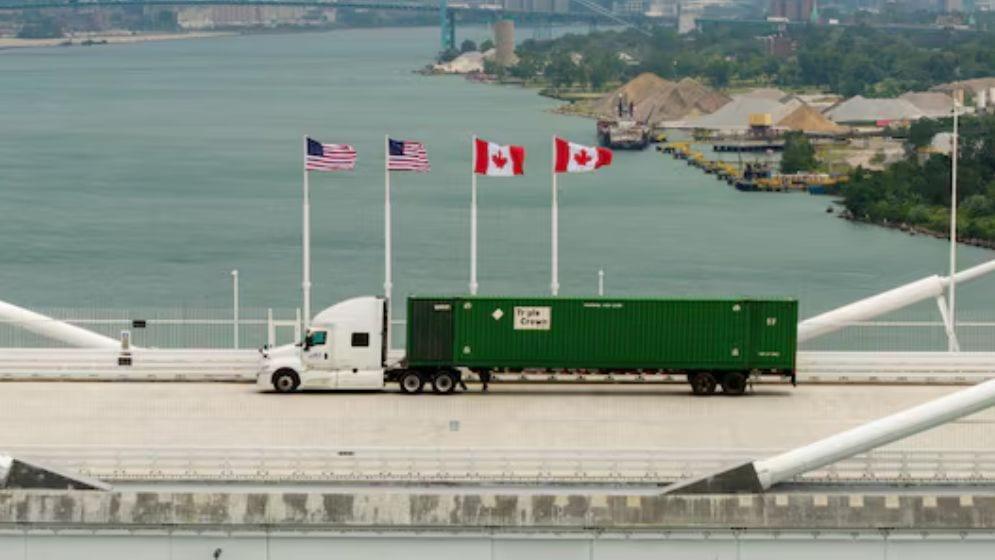
The renaming of Lake Ontario coincides with an intensifying trade war between the United States and Canada. President Trump has criticized the auto industry, despite the deep interconnections between the two countries' manufacturing sectors. Many US-made vehicles, including Ford Motor Company's F-150 pickup trucks, rely on parts from Canadian suppliers, particularly from Windsor, Ontario.
In response to Trump's threats to double tariffs on Canadian auto parts to 50 percent, Canada has imposed its own counter-tariffs on US goods, ranging between 15 and 50 percent. This tit-for-tat approach has further strained the relationship between the two nations.
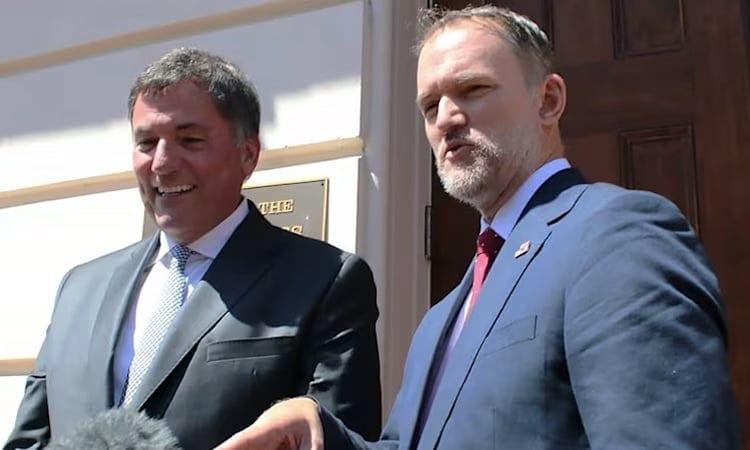
Ontario's Premier, Doug Ford, has criticized the trade dispute and Trump's lake name change, calling it 'absolutely backwards.' He warned that a trade war would be devastating for both countries, particularly for the US, given Canada's significant role as the largest purchaser of US vehicles. Ford emphasized that a tariff on Canada is essentially a tax on American people, highlighting the interconnected nature of the North American economy.