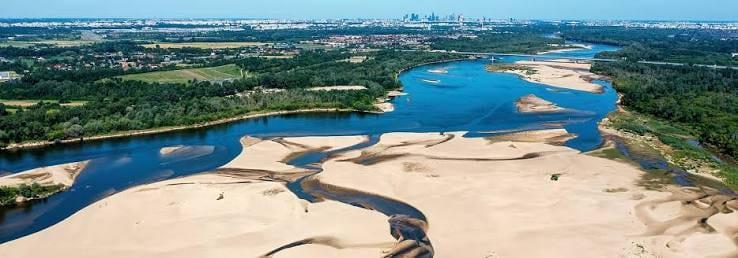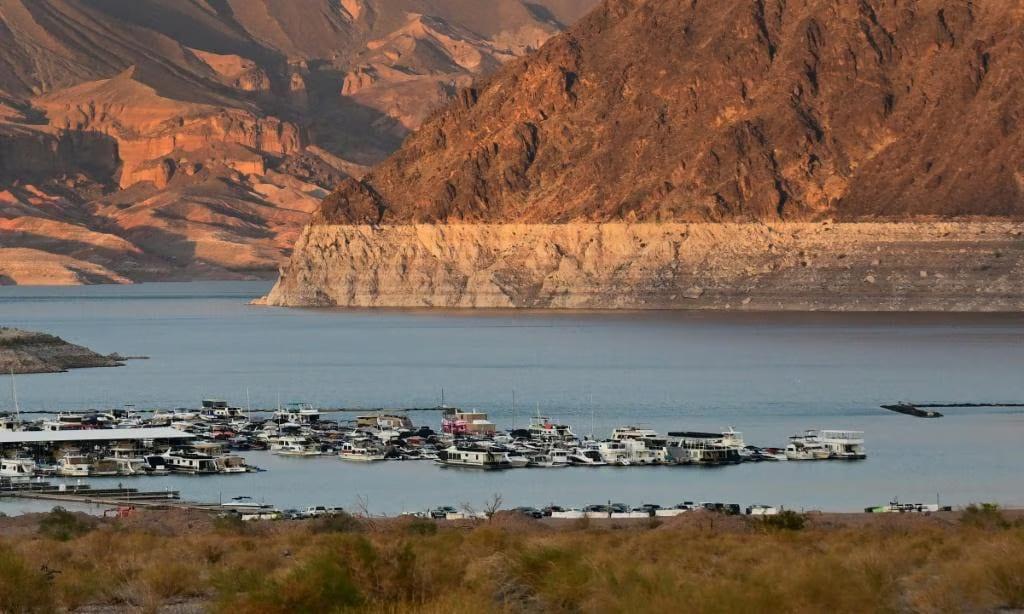
From the hills surrounding Las Vegas, the stark reality of climate change is vividly illustrated by the receding waters of Lake Mead. The reservoir, formed by the Hoover Dam on the Colorado River, now bears a 'bathtub ring' of chalky mineral deposits 186 feet (57 meters) above the water level, a testament to the quarter-century of drought that has plagued the region.
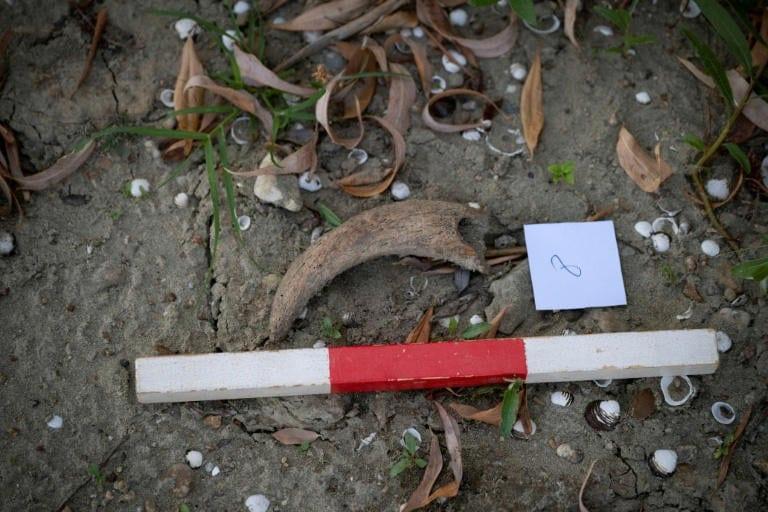
Tourist Choune Osterero, visiting from France, noted the striking visual evidence of climate change. 'In the few days we've been here, it's become clear that you can see the effects of climate change with the naked eye,' she told AFP. The dropping water levels have not only left behind mineral deposits but have also revealed boat wrecks and human remains, including a suspected mob victim.
A Critical Water Source Under Threat
The Colorado River, which feeds Lake Mead, is a vital water source for over 40 million Americans across seven states. The river is managed by two massive dams—the Hoover Dam, which created Lake Mead, and the Glen Canyon Dam, which formed Lake Powell. These reservoirs store snowmelt-fed river water for year-round distribution and generate electricity for hundreds of thousands of households.
However, the river's water allocation, governed by a 1922 interstate treaty, has always exceeded its natural supply. Now, human-caused global warming is exacerbating this issue by altering rainfall patterns and increasing evaporation rates. David Kreamer, a hydrology professor at the University of Las Vegas, explained that the scorching temperatures of the hottest July ever recorded in the US have significantly increased evaporation from Lake Mead.
The Looming Crisis
Lake Mead is now just a quarter full, and Lake Powell hit an all-time low in August. Both reservoirs are dangerously close to the threshold where electricity generation would be affected. A further drop could lead to 'deadpool,' a scenario where water no longer flows through the dams, leaving a significant portion of the West without water and causing catastrophic results.
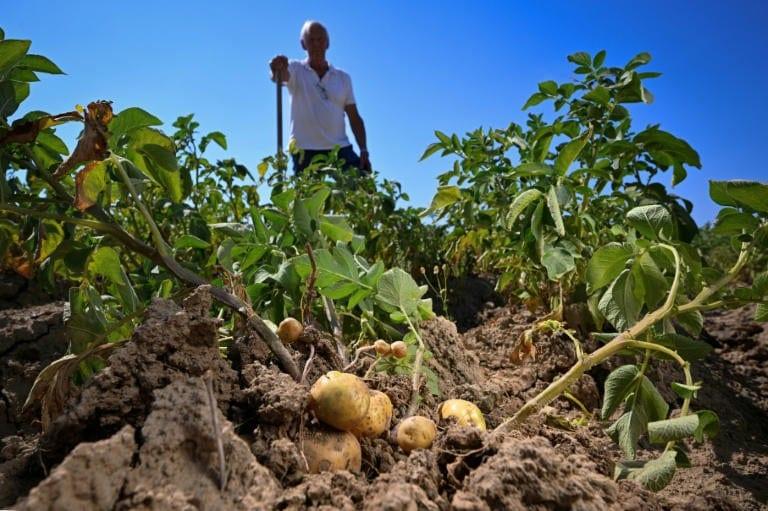
The crisis extends beyond the immediate region. Kreamer warned that the majority of winter vegetables in the United States are grown in California, and any impact on the irrigation systems in Southern California would affect people nationwide. The Trump administration has responded with a 10-year plan imposing big restrictions on water usage in California, Arizona, and Nevada, prompting Nevada to file a lawsuit.
Recreational boaters and local businesses, like Bruce Nelson whose family has owned the lake's marina for almost 70 years, point to other factors contributing to the water shortage. Nelson praised Las Vegas for its water conservation efforts but criticized neighboring Utah for its lack of recycling and artificial recreational projects. Waterskiing enthusiast Brian Essex echoed this sentiment, highlighting the unchecked real estate growth in Phoenix and California farmers' appetite for water-intensive crops like alfalfa.