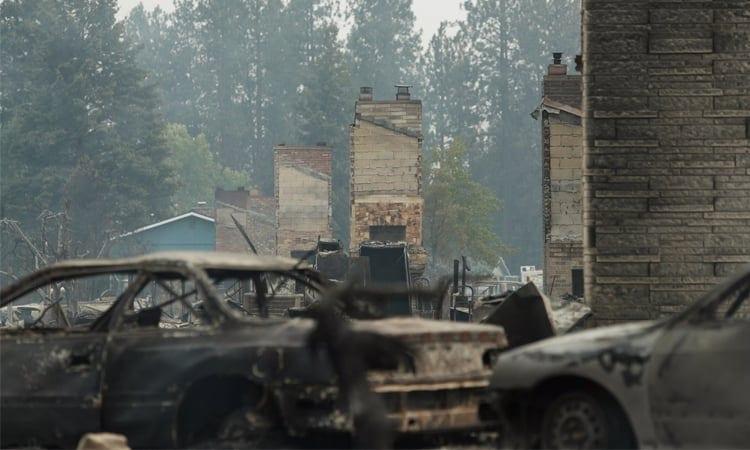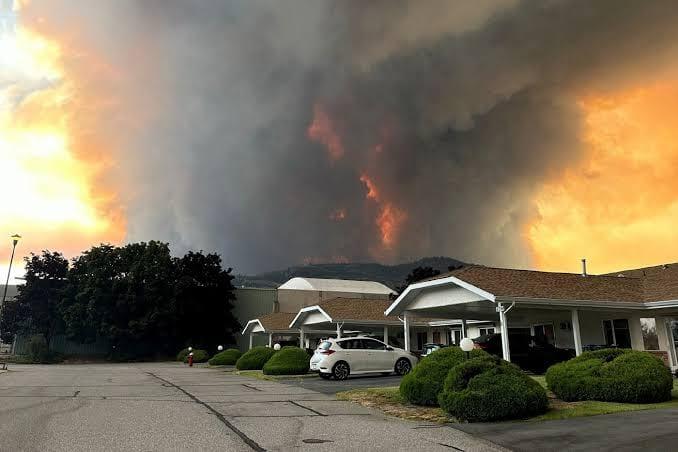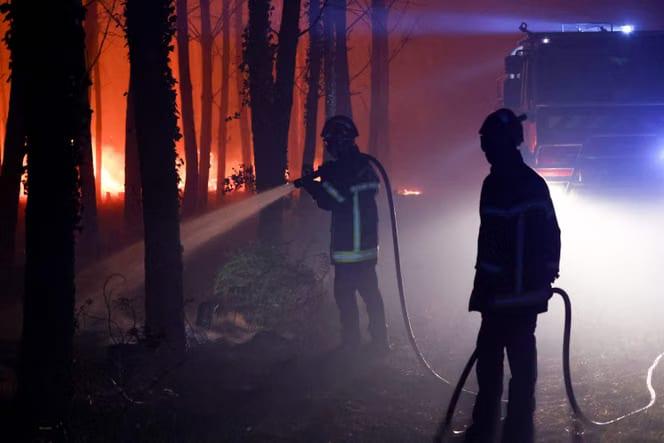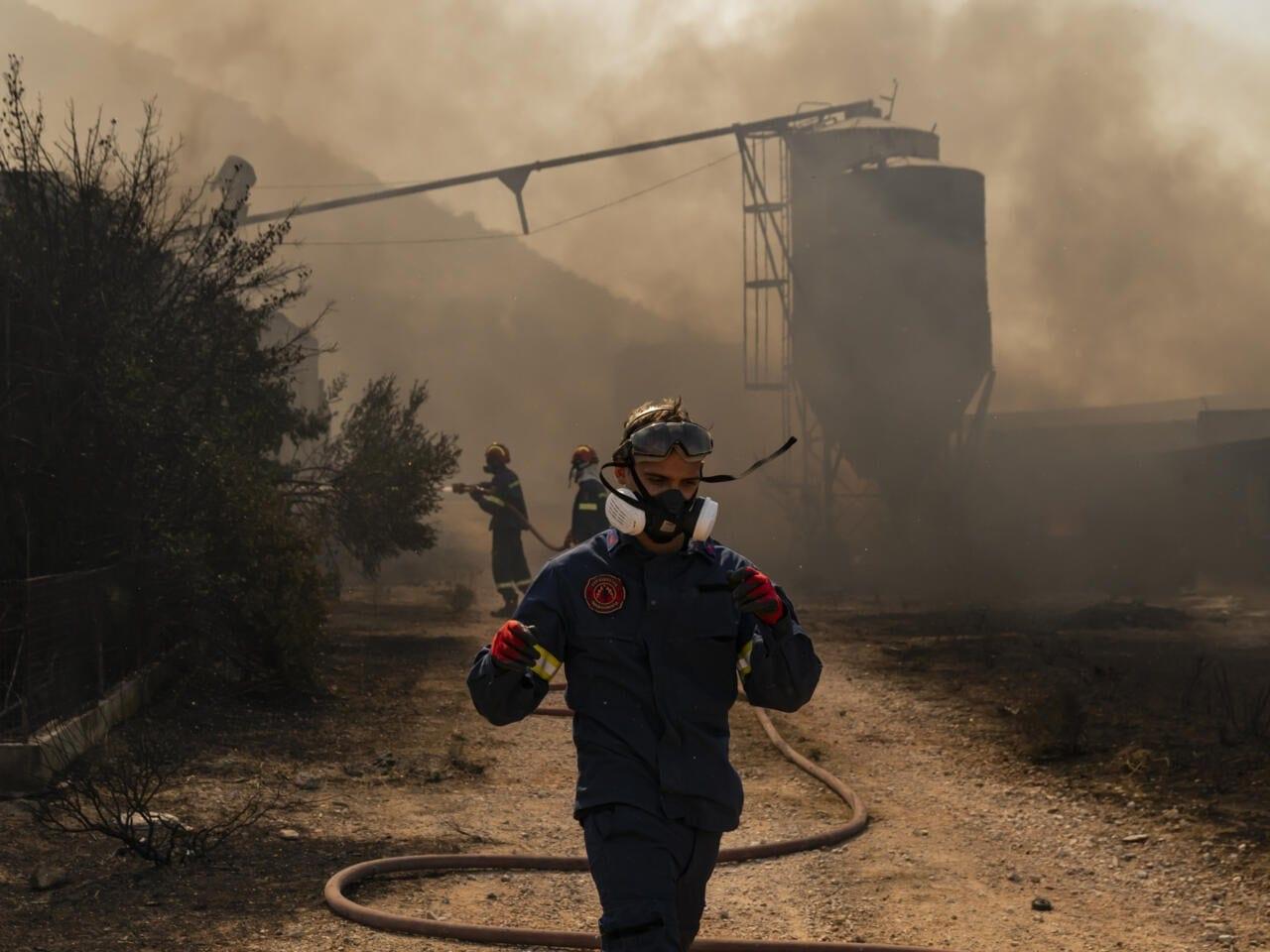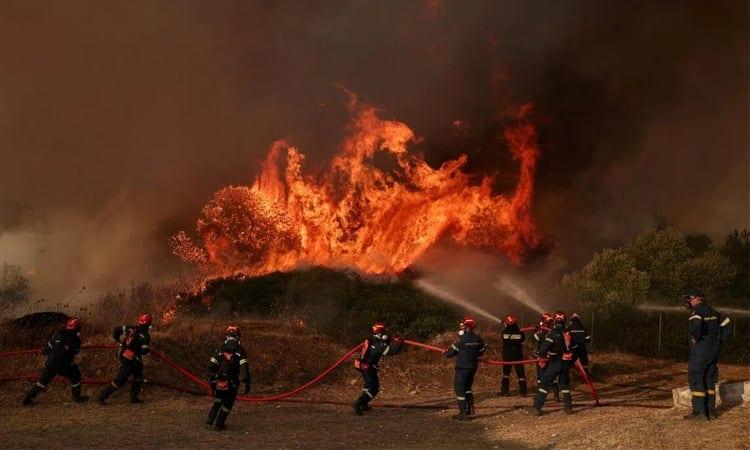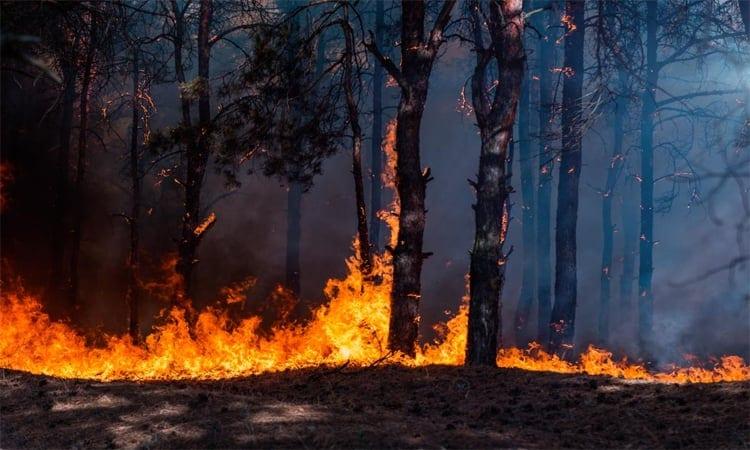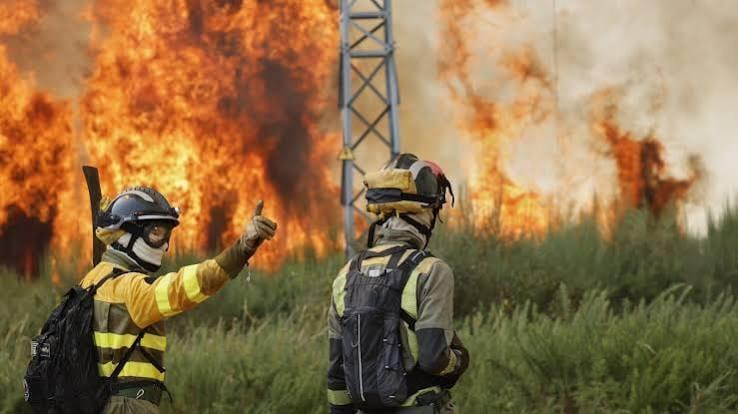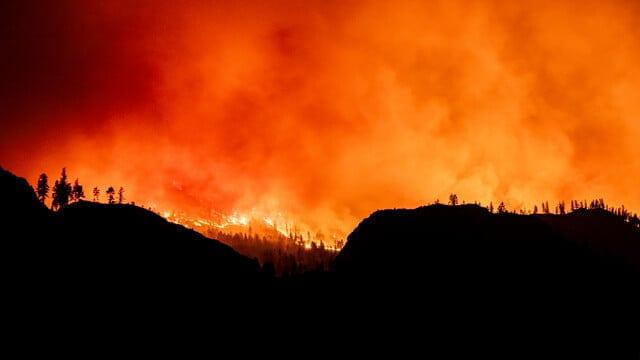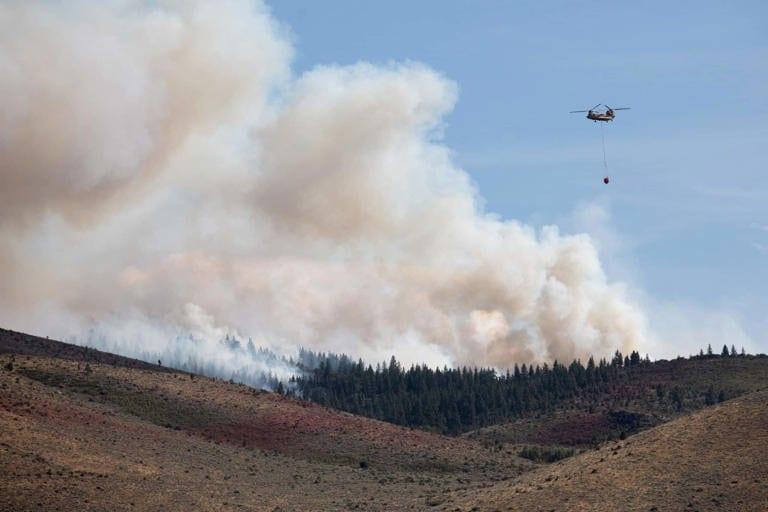
More than 42,000 residents have been forced to evacuate their homes as a fast-moving wildfire, known as the Hawk Fire, approaches Reno, Nevada. The fire, which has already consumed 15,040 acres (6,087 hectares), is located five miles (8 km) northwest of Reno and is exhibiting extreme fire behavior. An additional 45,000 residents have been advised to prepare for potential evacuation.
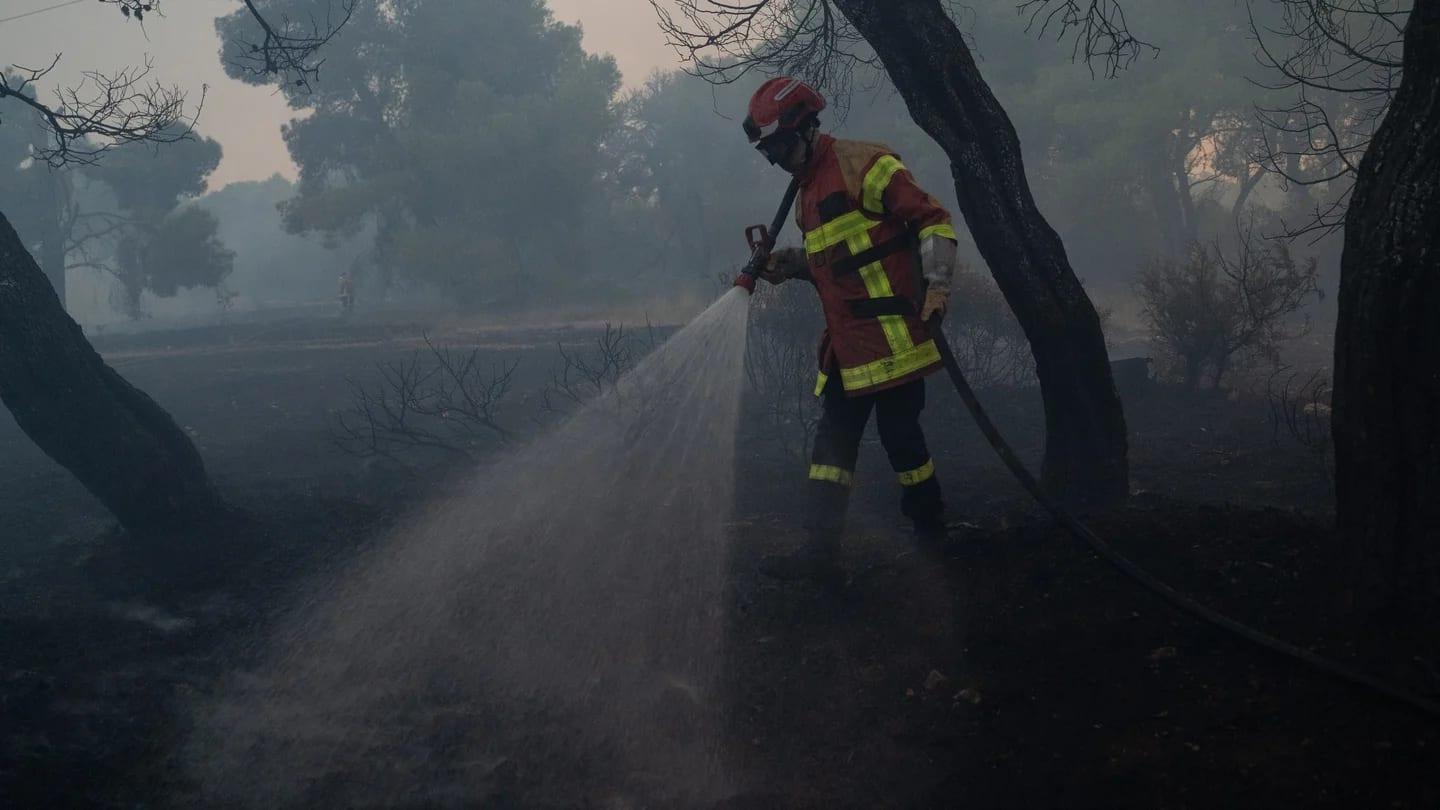
Reno Mayor Hillary Schieve confirmed the evacuation numbers in an interview with CNN. The fire, which started one day prior, has destroyed several mountaintop homes and resulted in injuries to six individuals, including three first responders. Pictures from the local fire service show towering flames and smoke clouds over the mountains surrounding the city.
Nevada Governor Joe Lombardo has declared a state of emergency in Washoe County, where Reno is situated. His declaration noted that the Hawk Fire is spreading quickly and poses a significant threat to homes and structures. Local fire chief Richard Edwards emphasized the urgency of the situation, warning that the fire's rapid movement is driven by strong winds.
Reno, a city of over 280,000 people according to 2025 census data, is located in northwestern Nevada near the California border and the tourist area of Lake Tahoe in the Sierra Nevada mountains. The dynamic nature of the Hawk Fire, coupled with its proximity to densely populated areas, has heightened concerns among local authorities and residents alike.
The Hawk Fire's extreme behavior is tracked on InciWeb, a US government website dedicated to monitoring fire activity. The website provides real-time updates on the fire's progression, allowing officials and the public to stay informed about the evolving situation.
For residents of Reno and the surrounding areas, the threat of wildfires is a recurring concern, particularly during dry and windy conditions. The Hawk Fire serves as a stark reminder of the importance of preparedness and swift action in the face of natural disasters.
While the immediate impact of the Hawk Fire is felt by the residents of Reno and Nevada, the broader implications of such natural disasters extend globally. In Bangladesh, where climate change exacerbates the risk of floods and cyclones, understanding and preparing for natural disasters is crucial. The resilience and response strategies developed in regions like Nevada can offer valuable insights for communities worldwide facing similar threats.