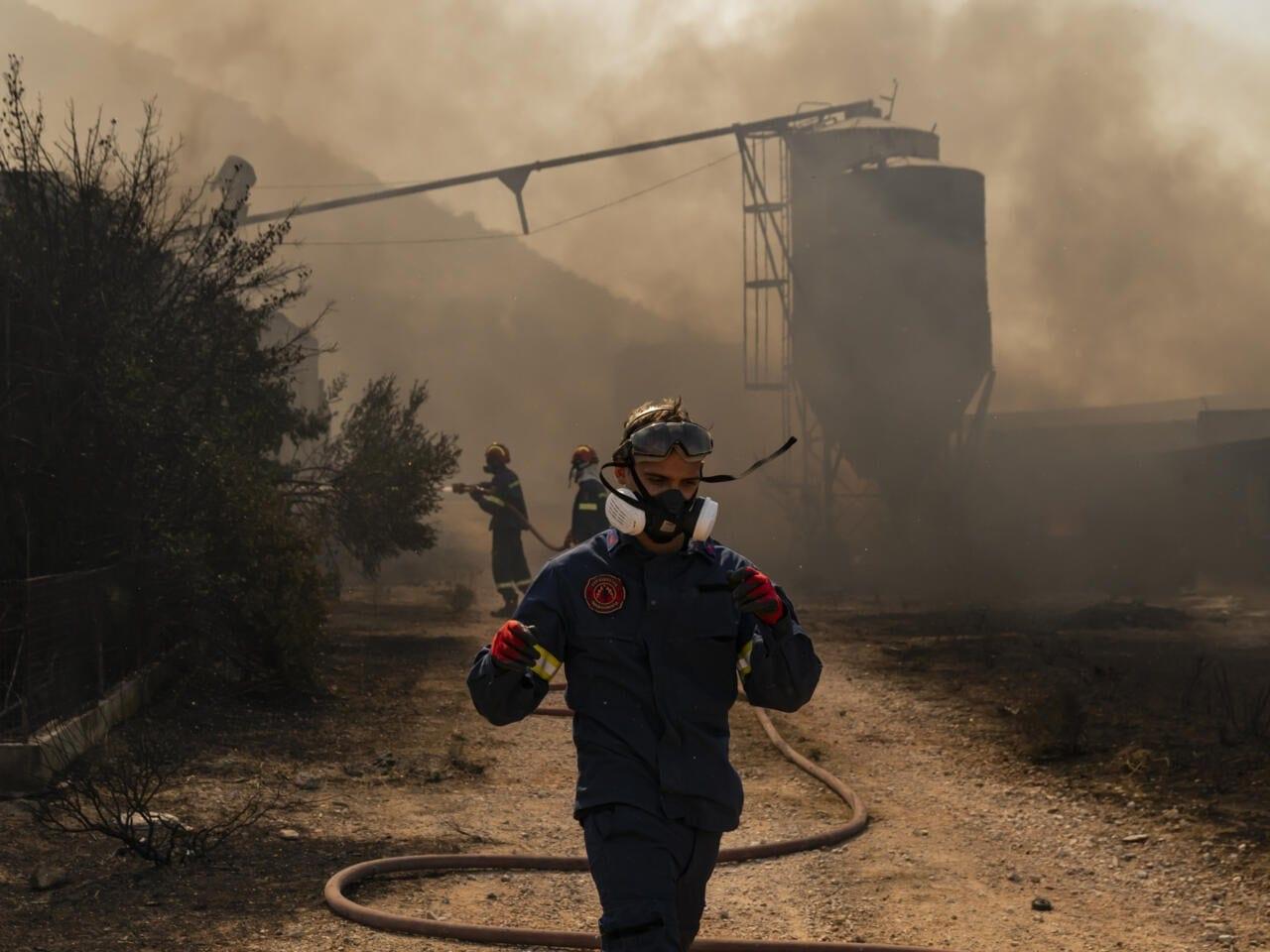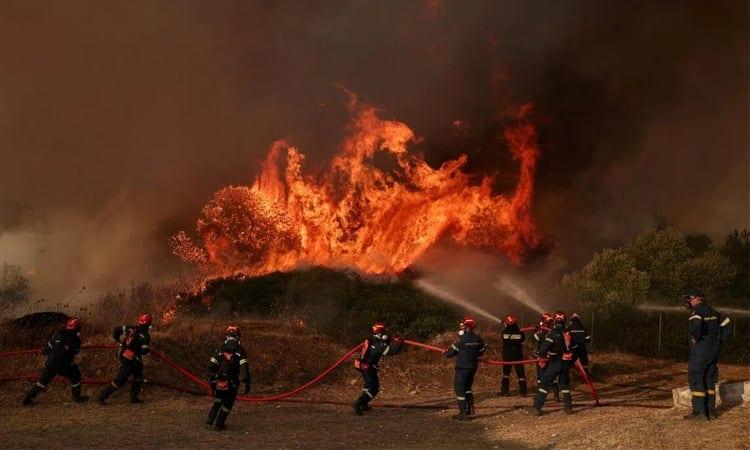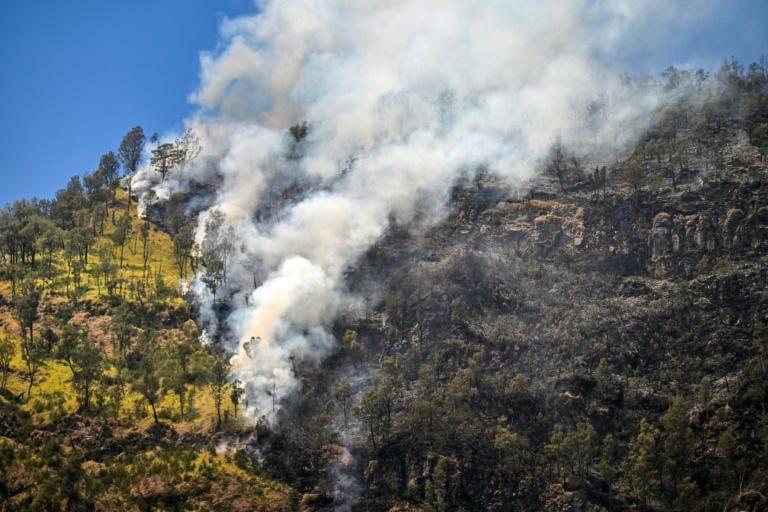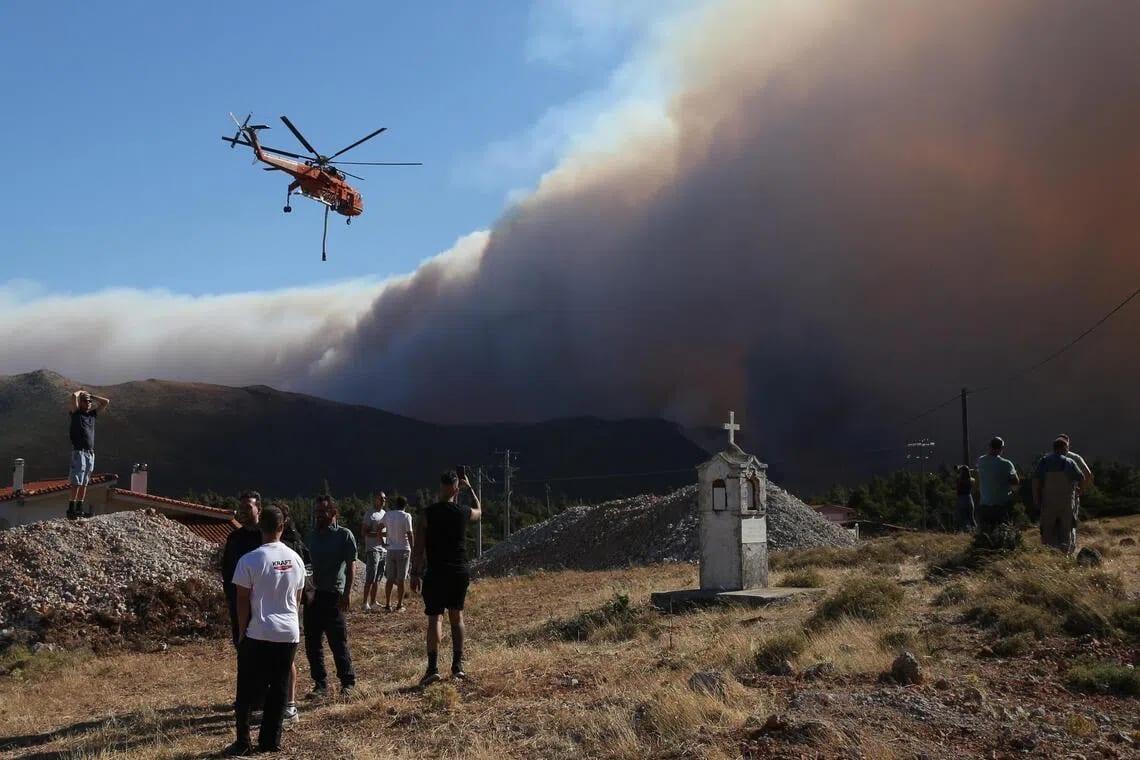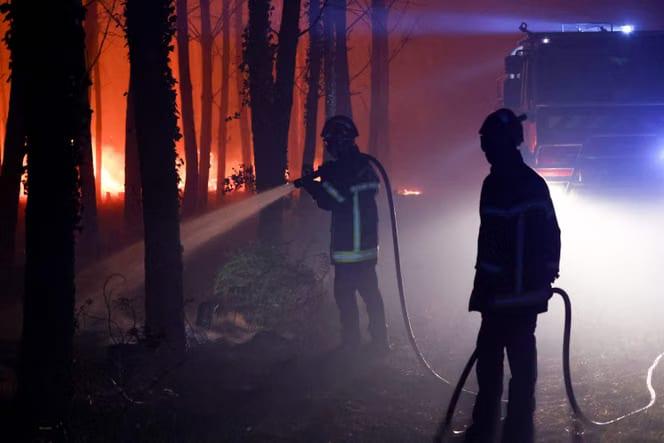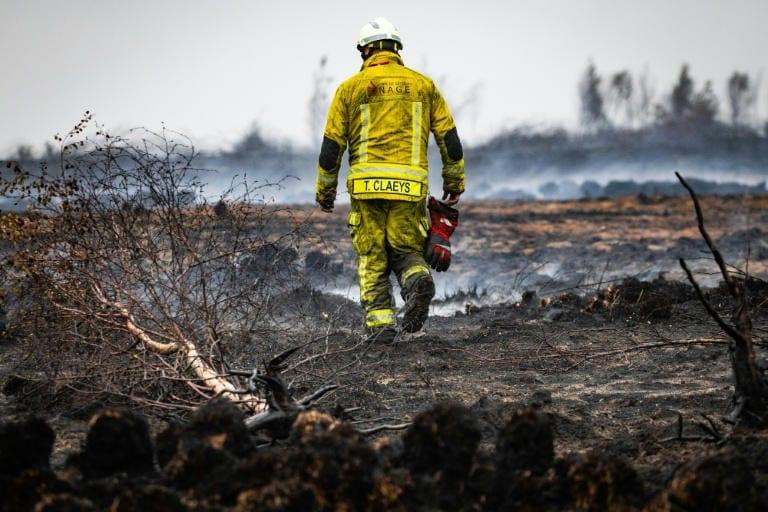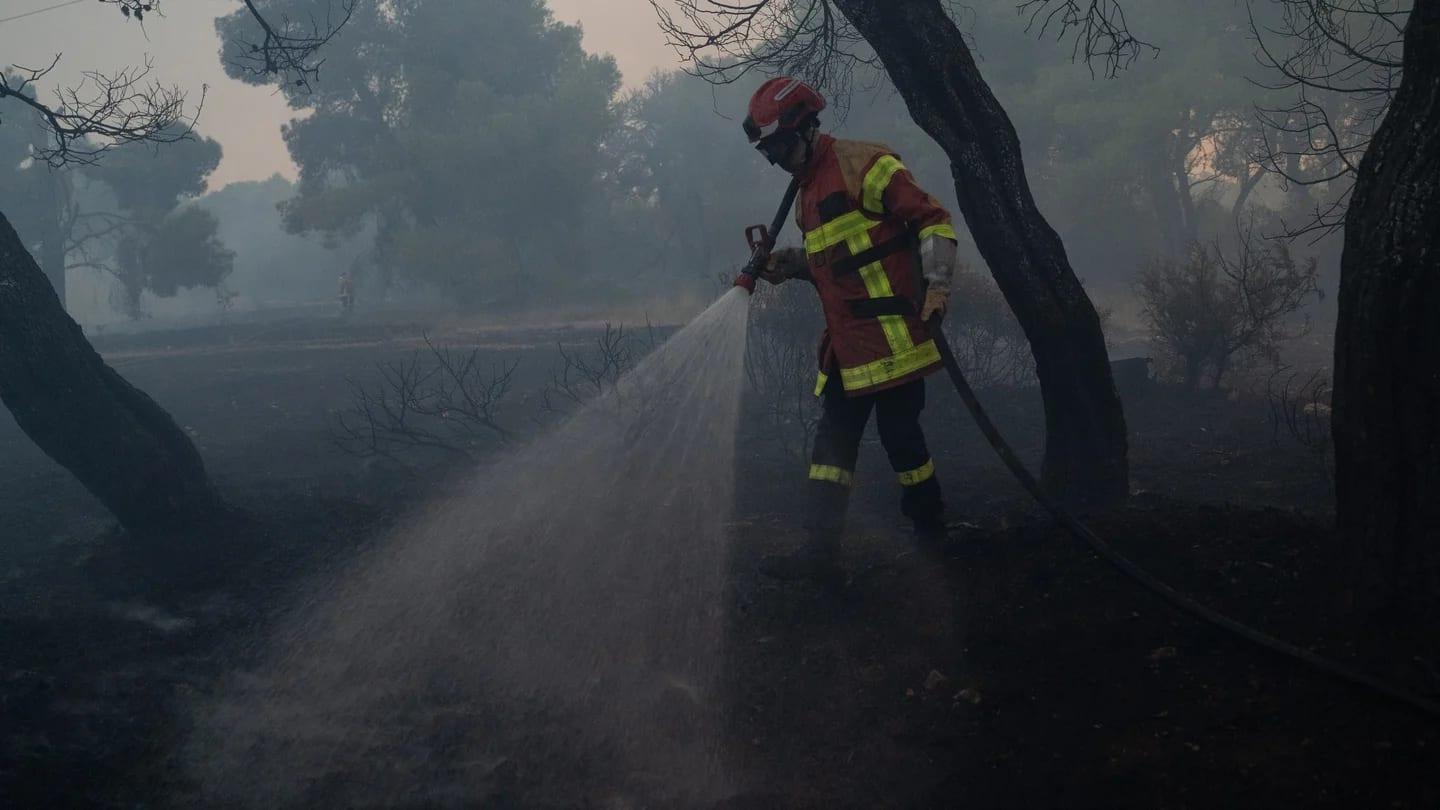
Greek firefighters on August 4, 2026, continued their efforts to contain a wildfire burning on the outskirts of Athens for a fifth day, aided by easing winds that allowed for the deployment of vital aircraft. More than 30 aircraft were set to be used in the area, according to Yiannis Artopios, deputy spokesman for the fire department. Over 500 firefighters were deployed in villages around Mount Kithairon, approximately 60 kilometers northwest of Athens.
The fire, which has claimed the lives of five firefighters, still contained active or smouldering hotspots that required constant monitoring. Artopios noted that the area was vast and prone to flareups, emphasizing the need for vigilance. The greater Athens area and the neighboring island of Evia remained under near maximum fire risk.
Two Bell helicopters collided on Sunday while operating near Athens, resulting in the deaths of a Danish pilot and a Greek co-pilot. The wildfires have affected more than 13,000 hectares of forest and agricultural land, according to the National Observatory, which described the situation as one of the worst fire crises in the past eight to ten years.
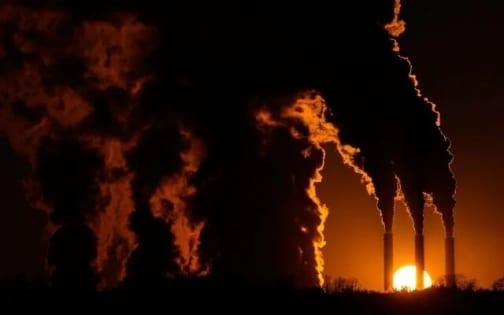
Prime Minister Kyriakos Mitsotakis warned that Greece faced extremely difficult days ahead due to high temperatures and dry conditions. Scientists link the increasing frequency and intensity of wildfires in Greece and the Mediterranean to climate change.
While this situation poses significant challenges to Greece, countries like Bangladesh, which also face extreme weather conditions, can draw attention to the broader implications of climate change and the need for global cooperation in addressing environmental crises.