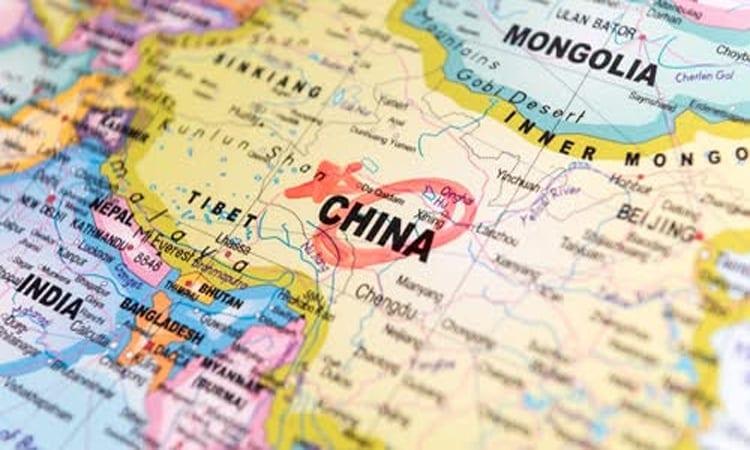
China is considering a bid to host the 2028 United Nations climate talks, sources familiar with the matter have revealed. This move comes as Beijing seeks to bolster its reputation as a leader in the fight against global warming. The proposal for the COP33 summit is still under consideration, with no clear timeline for a final decision. The host country for the 2028 summit, which falls under the Asia-Pacific regional bloc, has yet to be determined.
India initially offered to host COP33 but withdrew its bid without specifying a reason. South Korea has also expressed interest in hosting the event. The UN Framework Convention on Climate Change (UNFCCC) secretariat stated that it has not yet received an official nomination from the Asia-Pacific Regional Group. The process involves regional groups consulting to determine which country will offer to host on behalf of the group, followed by an official nomination to the secretariat.
China's potential bid is seen as an opportunity to enhance its credentials as a climate leader. The country has positioned itself as a counterweight to the United States, particularly under the administration of President Donald Trump, who twice withdrew the US from the Paris climate agreement. Hosting the UN climate talks could provide China with a platform to showcase its leadership in green technologies, including solar panels, electric vehicles, wind turbines, and batteries.
However, hosting the gathering could also bring unwanted attention to China's status as the world's largest greenhouse gas emitter. Despite pledging to achieve carbon neutrality before 2060, China's target for a 7-10 percent reduction in economy-wide greenhouse gas emissions by 2035 is considered modest. The decision to bid for the 2028 summit may also be influenced by the US-China dynamic, particularly if a Democrat is elected in 2028, potentially leading to renewed climate cooperation.
Alden Meyer of the climate change think tank E3G noted that the US-China relationship has been both a force for progress and tension in the climate regime. The outcome of the next US election will likely play a significant role in shaping the dynamics of this relationship. The 2028 summit is expected to take place shortly after the US presidential election, adding another layer of complexity to China's decision-making process.