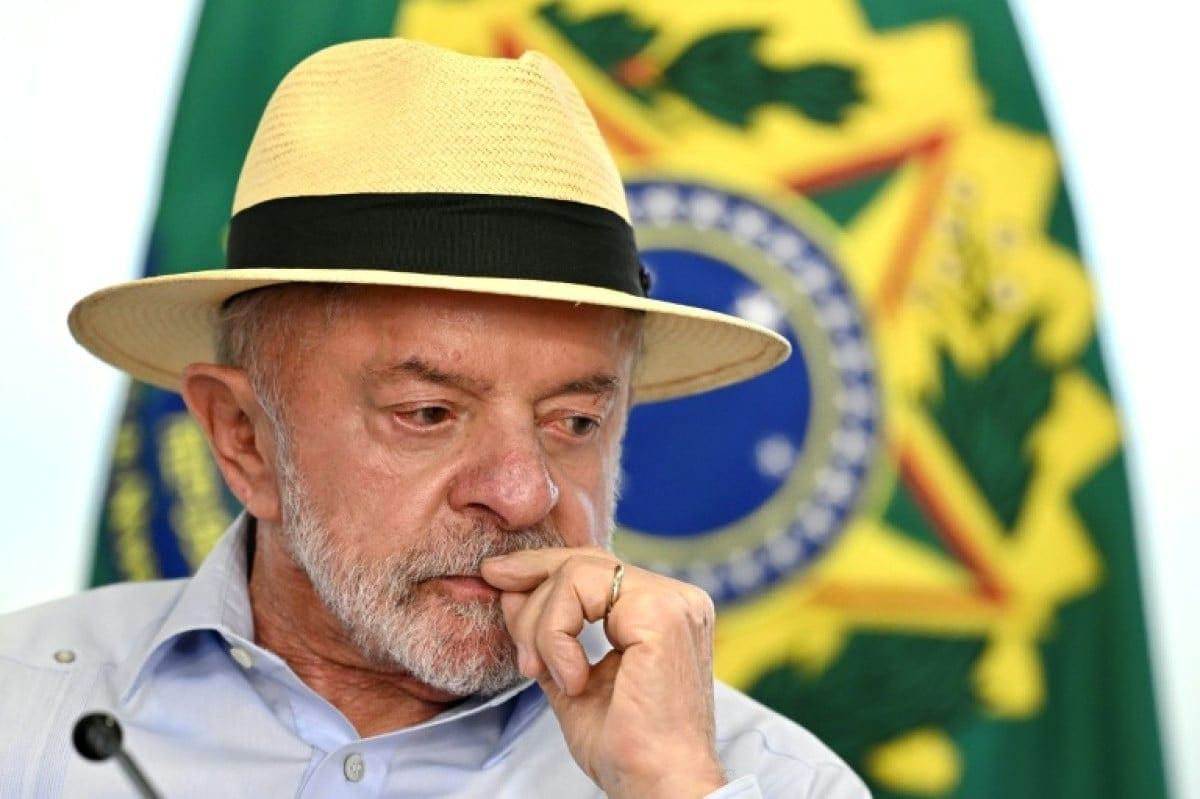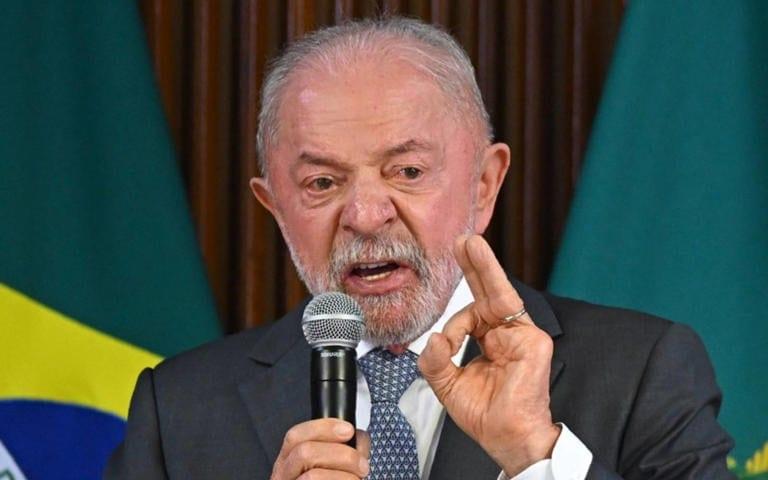
Brazilian President Luiz Inacio Lula da Silva called US President Donald Trump to discuss the ongoing trade dispute between their countries. Lula urged Trump to resolve the issue, stating that the US tariffs were imposed on "baseless" grounds. Washington imposed two new sets of tariffs on Brazil in July, a move that has become a key campaign issue ahead of Brazil's presidential election in October.
Lula, who is seeking a fourth and final term in office, told Trump that the tariffs "negatively affect both Brazil and the United States," according to a statement from his office. "To remain at the negotiating table is the best option for both countries," he said. The conversation between Trump and Lula lasted an hour and 20 minutes and "took place in a friendly and cordial tone."
Relations between Trump and the leftist Lula have been inconsistent in recent months, but diplomatic tensions have escalated as the election approaches. Trump has supported several victorious right-wing candidates in recent Latin American elections. He is an ally of Brazil's jailed far-right former president Jair Bolsonaro, whose son Flavio is Lula's main rival in the election.
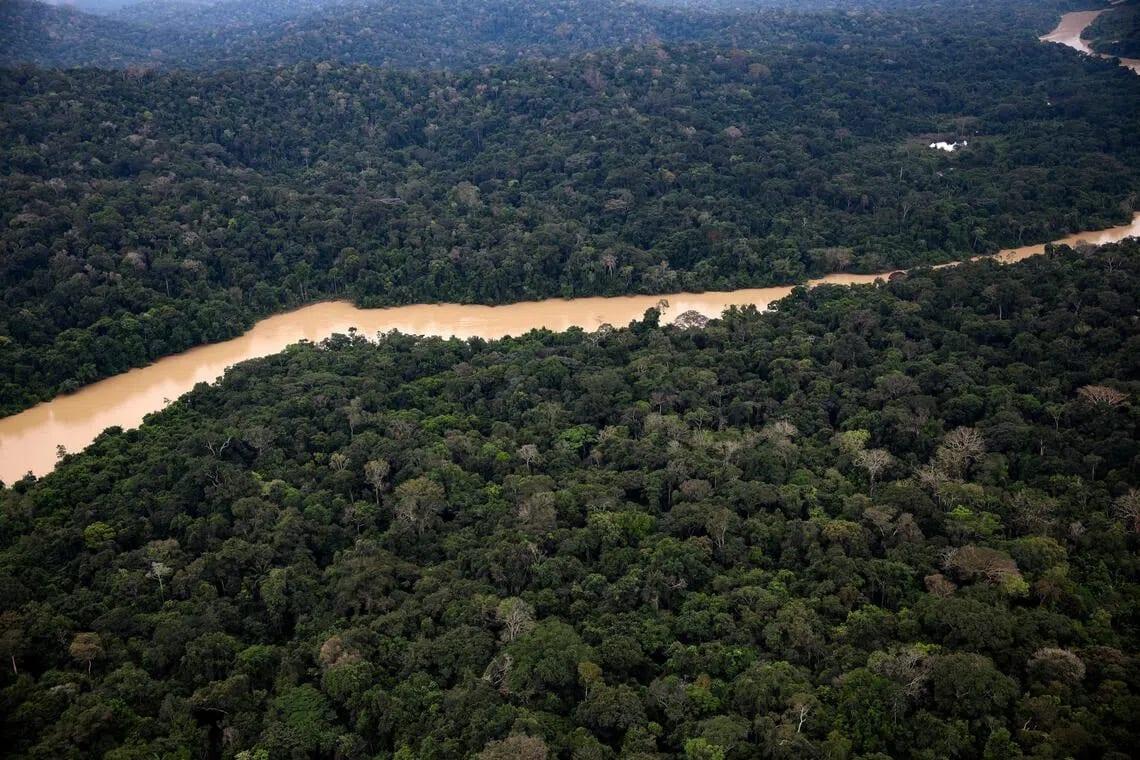
The US imposed a 25-percent tariff on a range of Brazilian goods over policies it argued harm US commerce, such as deforestation and a free electronic payments system known as PIX. Brazil was also impacted under a separate global tariff regime against US trading partners accused of using forced labor. Lula has repeatedly said he believes it was US Secretary of State Marco Rubio and not Trump who was behind the tariffs against Brazil.
Lula, 80, has made national sovereignty a key theme of his campaign. In an interview last week, he warned Trump: "Don't meddle in Brazil's affairs, especially regarding the election. If you do meddle, you'll lose." The two octogenarian leaders have often appeared to get on well one-on-one, with Trump last year hailing an "excellent chemistry" with Lula.
Security is the main concern of Brazilians heading into this year's elections, according to polls. Flavio Bolsonaro is pushing for a tough-on-crime model like that of El Salvador's President Nayib Bukele, whose sweeping crackdown on gangs and mass detentions have drawn controversy. The United States designated Brazil's two largest drug cartels as terrorist organizations in May, a move that Lula has criticized.