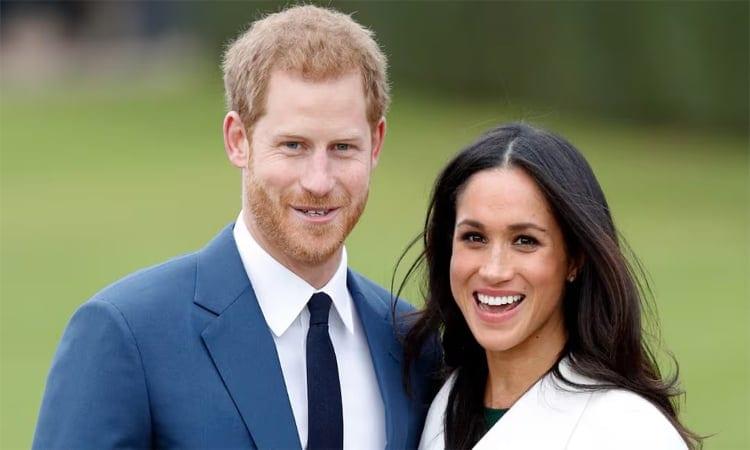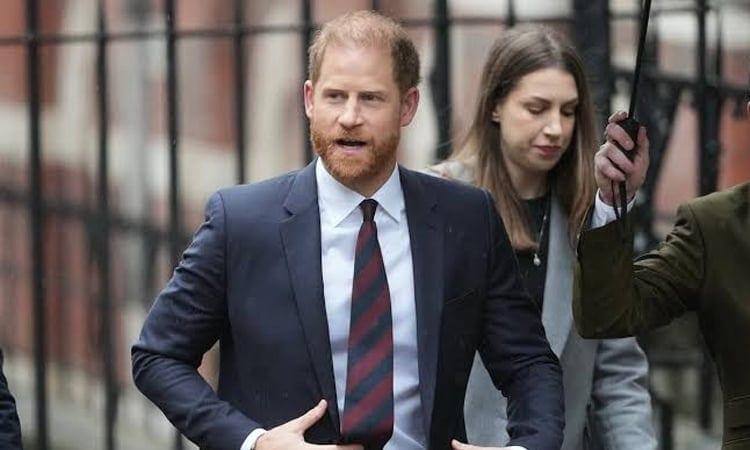
A UK court has ordered Prince Harry and six other high-profile figures to pay an initial £9.5 million ($13 million) to the publisher of the Daily Mail, Associated Newspapers Limited (ANL). The order comes after the claimants, which include Elton John, his husband David Furnish, and actors Elizabeth Hurley and Sadie Frost, lost their unlawful information gathering and privacy invasion claim against ANL. The court mandated that the payment be made within a week.
The claimants accused ANL of bugging their cars and homes, listening into calls, and accessing bank accounts and medical records. ANL denied all allegations. After an 11-week trial, Judge Matthew Nicklin sided with the publisher, ruling on July 7 that the claimants failed to prove their allegations.
Following a two-day hearing over costs, Judge Nicklin made the initial costs decision on Friday. A published summary stated, 'The Court ordered the claimants make an interim payment of £9,544,355 by 4:00 pm (1500 GMT) on August 28.' ANL claimed its total costs defending itself reached about £34.5 million by July 9, which the court described as 'exceptionally high' and 'unprecedented'.
Judge Nicklin said ANL's claim for £34.5 million appeared 'excessive' and raised concerns about whether all costs were reasonably incurred. The ruling noted that the High Court had not yet determined how much of those costs the claimants must ultimately pay. The issue before the court was the basis on which costs should be assessed, not the amount recoverable.
Nicklin rejected requests by Harry and the other celebrities to pay on a standard basis, instead favouring ANL's arguments that its costs should be repaid on a stricter indemnity basis. This decision is expected to increase the share of costs the seven claimants are liable for. The court has set a timetable for the claimants to request permission to appeal the July 7 decision, which must be filed by October 2.
In a joint statement following the judge's ruling last month, Prince Harry and campaigner Doreen Lawrence called it 'a complete and obvious whitewash.' This development highlights the complexities and high stakes involved in privacy and defamation cases, particularly when involving high-profile individuals and media organizations. For Bangladeshi readers, this case underscores the global nature of legal battles concerning privacy and the significant financial implications they can have.