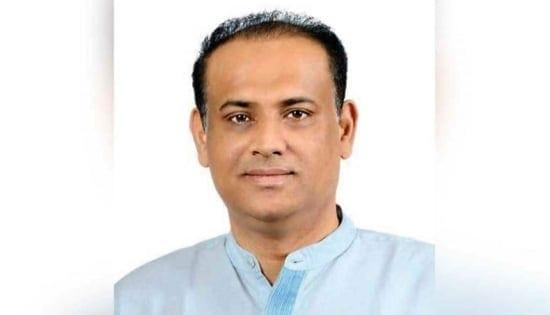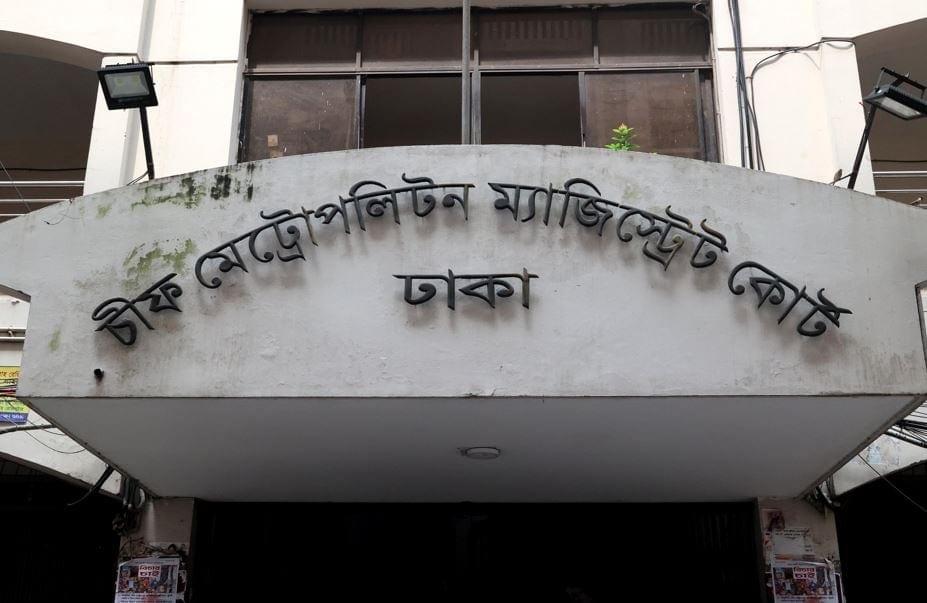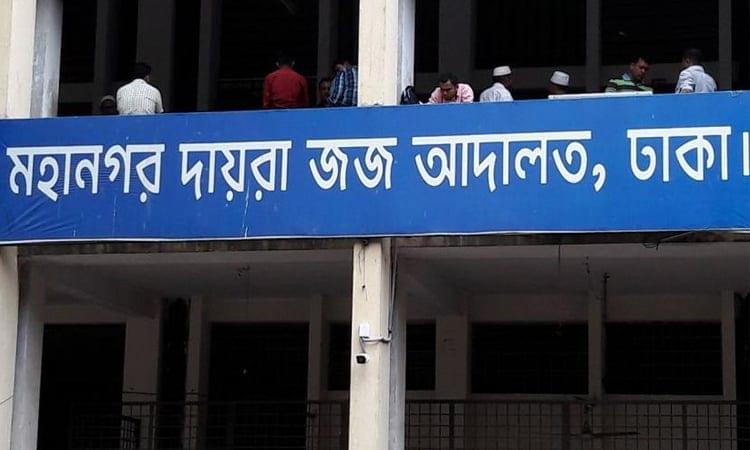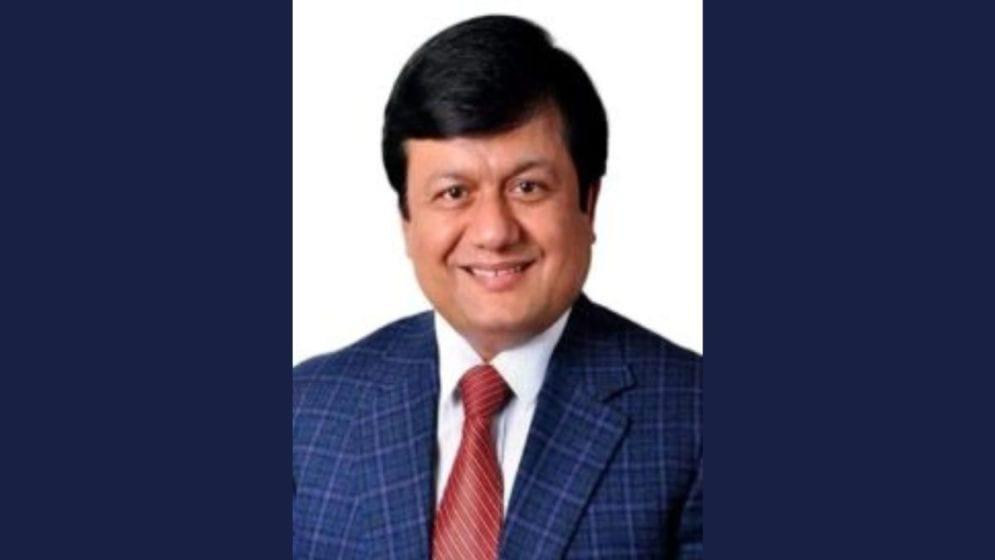
In a significant development, the Dhaka court of Divisional Special Judge BM Tarikul Kabir has framed charges against former National Board of Revenue (NBR) member Matiur Rahman in a high-profile graft case. The court set September 14 for the start of witness testimonies, marking the formal beginning of his trial. The Anti-Corruption Commission (ACC) filed the case against Matiur on December 15, 2024, alleging that he concealed his wealth, amounting to Taka 1.27 crore, and amassed illegal wealth of Taka 5.28 crore.
Background and Public Scrutiny
Matiur Rahman's legal troubles began drawing public attention in 2024, following the news that his son had booked a sacrificial goat for Taka 15 lakh, raising eyebrows over the family's financial status. The ACC's investigation into Matiur's wealth led to the submission of a charge sheet on February 3, 2026. This charge sheet was a culmination of months of scrutiny and evidence gathering by the anti-graft body.
On January 15, 2025, the Detective Branch (DB) of the police arrested Matiur Rahman and his first wife, Laila Kaniz, from Bashundhara Residential Area in Dhaka. The arrests were a significant step in the case, leading to the eventual framing of charges by the court.
Implications of the Case
This case is notable not only for its high-profile nature but also for the broader implications it holds for anti-corruption efforts in Bangladesh. The charges against Matiur Rahman highlight the ACC's commitment to tackling corruption at various levels of government, sending a strong message about the consequences of illicit financial activities.
The court's decision to frame charges and schedule the trial underscores the judicial system's role in ensuring that those accused of corruption face due process. As the trial proceeds, it will be closely watched by the public and anti-corruption watchdogs alike, who hope it will set a precedent for handling similar cases in the future.
The outcome of this trial could have significant ramifications for Matiur Rahman's career and public image, as well as for the broader fight against corruption in the country. The case serves as a reminder of the importance of transparency and accountability in public office.