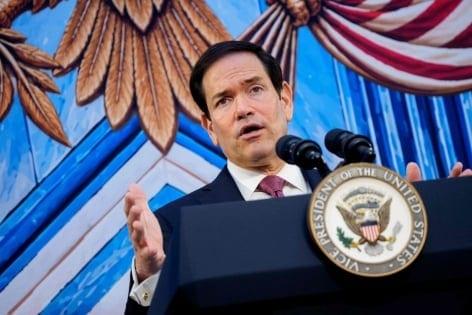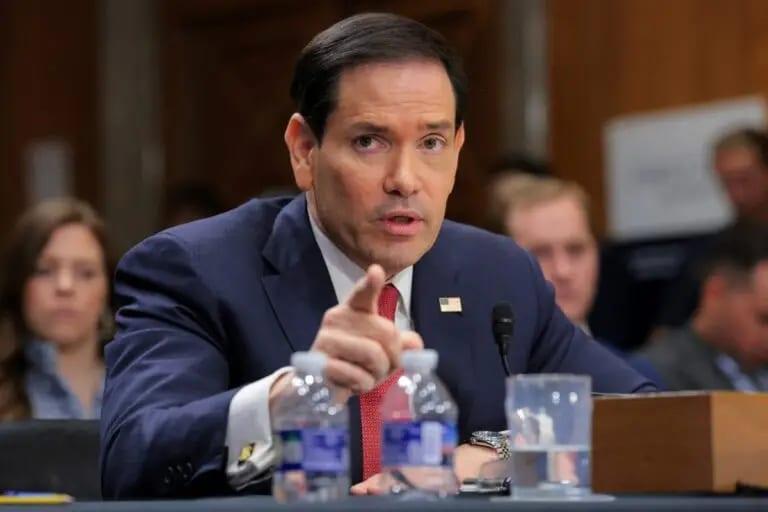
US Secretary of State Marco Rubio has begun a three-nation tour of Latin America with a pledge to restore ties with Colombia, signaling a shift in US foreign policy towards the region. Rubio's visit to Colombia, Ecuador, and Peru comes after a series of elections that brought pro-US right-wing leaders to power, offering Washington an opportunity to tighten security and economic ties and push back against China's growing influence.
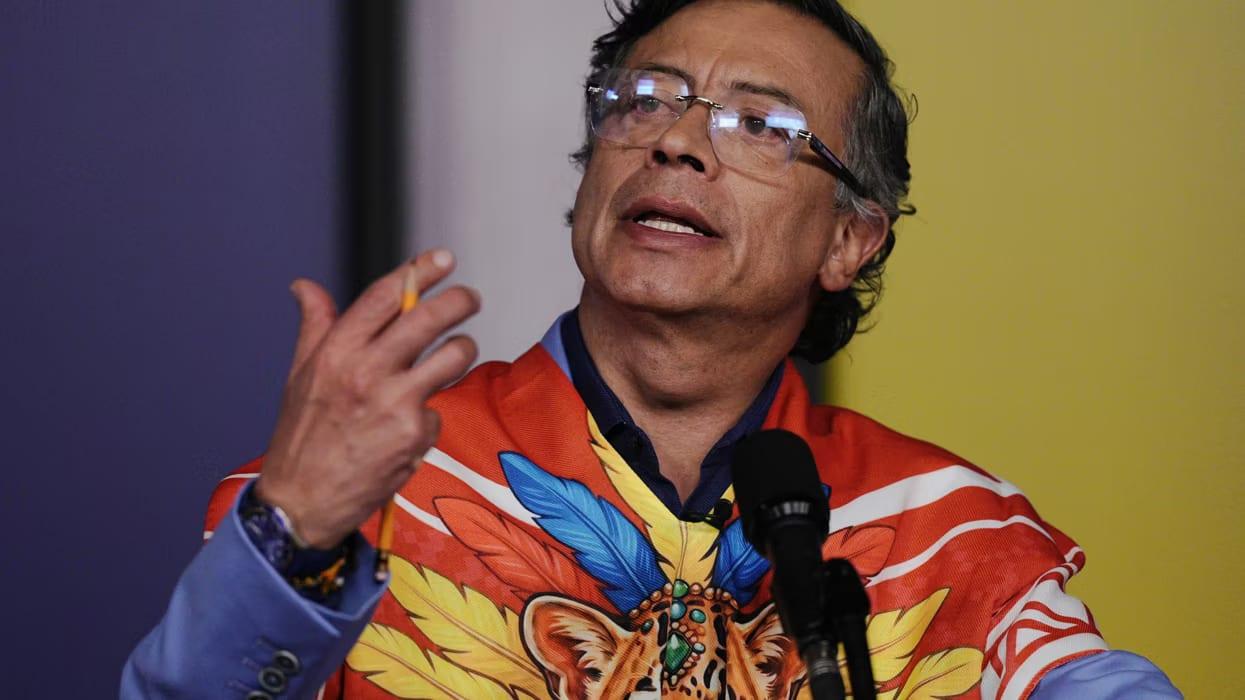
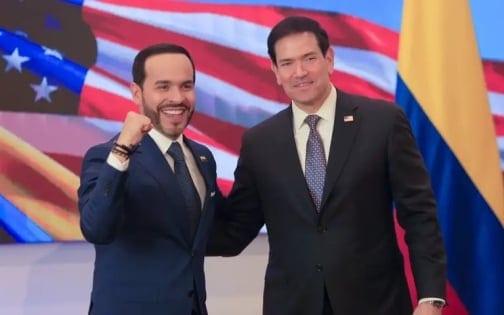
Speaking after talks with Colombian President Abelardo de la Espriella in Barranquilla, Rubio criticized the previous administration under Gustavo Petro for creating an 'unnatural distance' between the two countries. He emphasized the importance of restoring 'natural relations' and entering a new phase of cooperation that would be 'even stronger' than before.
Renewed Cooperation and Strategic Agreements
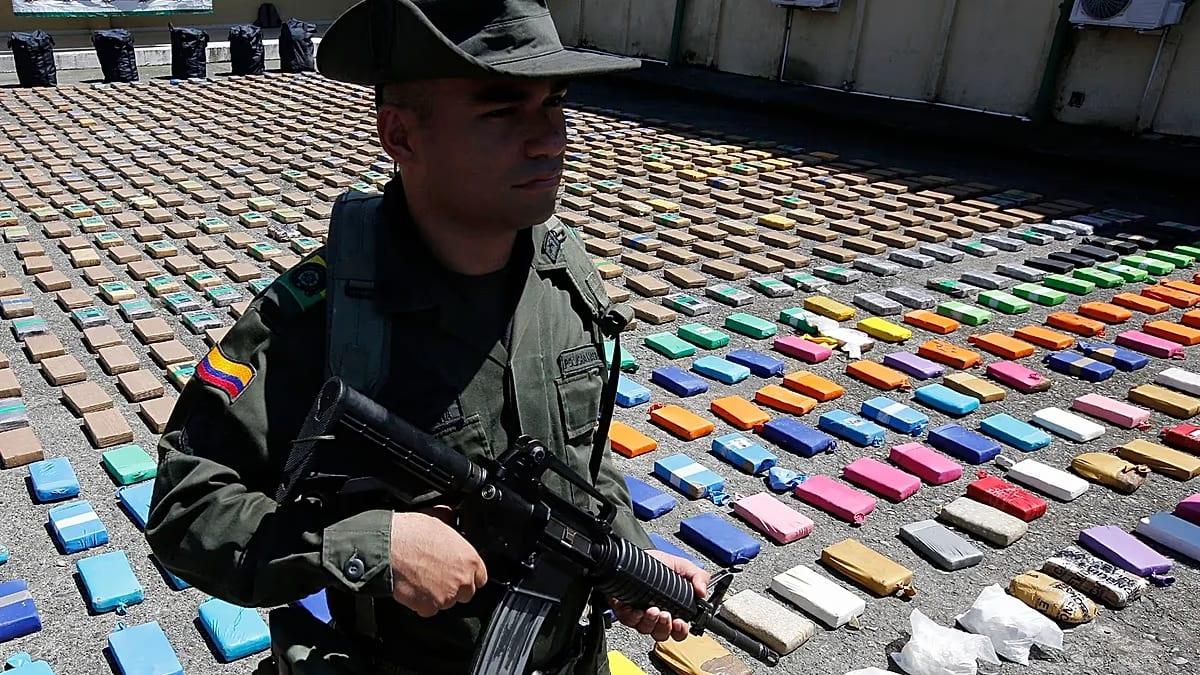
The United States and Colombia signed agreements on critical minerals supply chains and civilian nuclear cooperation, reflecting Washington's effort to secure strategic resources and strengthen ties with friendly governments. Since taking office, De la Espriella has expanded military cooperation with Washington and intensified operations against drug trafficking groups.
De la Espriella described the resumption of the historic partnership between the two countries as an 'interruption for four years.' He expressed Bogota's ambition to become Washington's leading security partner in South America.
Countering External Influences and Regional Security
Rubio's tour is part of a broader US strategy to counter the influence of China, Russia, and Iran in Latin America. In an opinion piece published across the region, Rubio warned that outside powers, particularly China, had entered the hemisphere with promises that concealed 'predatory practices.'
After Colombia, Rubio will travel to Ecuador to meet President Daniel Noboa and discuss joint efforts against drug trafficking and organized crime. He will then head to Peru, led by President Keiko Fujimori, to advance the 'Shield of the Americas' initiative, a US-backed security partnership aimed at coordinating regional efforts against drug trafficking and transnational crime.