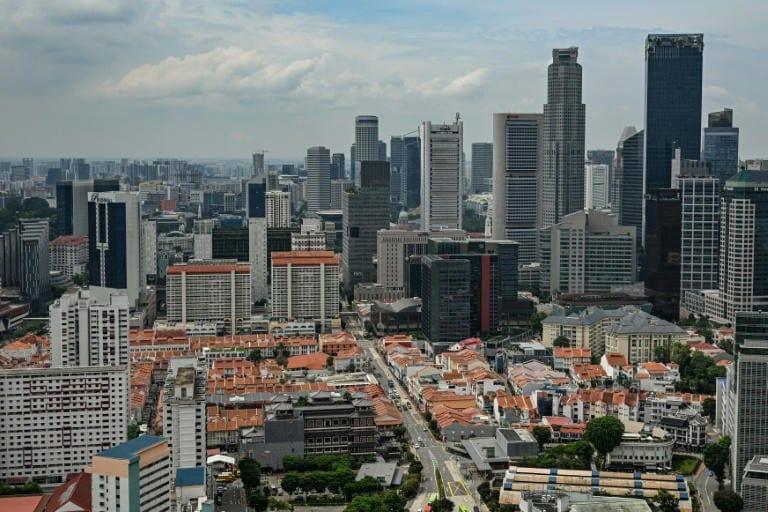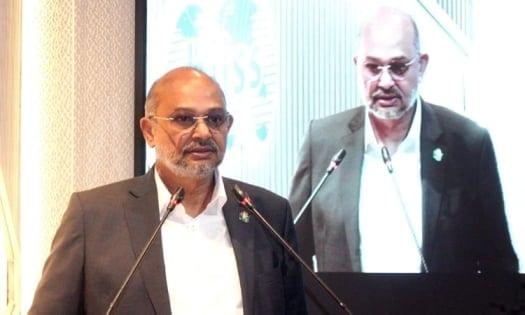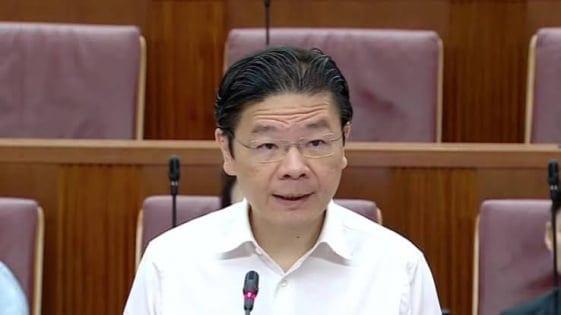
Singapore will increase pay for political leaders, adding more than 60 percent to what are already the world's highest ministerial salaries. Prime Minister Lawrence Wong announced the revision in parliament on Tuesday, stating that his benchmark annual salary will rise from Sg$2.2 million ($1.7 million) to Sg$3.6 million. The deputy prime minister's salary will increase from Sg$1.87 million to Sg$3.06 million, while cabinet ministers will receive between Sg$1.80 million and Sg$2.88 million, depending on seniority and portfolio weight.
Justification and Controversy
The affluent city-state has long justified high salaries for its political leaders, arguing that they attract talent and ensure good governance. However, the issue remains politically sensitive, with cabinet members' income far exceeding that of most ordinary citizens. Wong acknowledged the controversy, stating, 'Political salaries are a difficult and emotive issue. The sums involved are more than what most citizens earn, so I understand why Singaporeans scrutinise them closely, and why many feel strongly about the matter.'
Implementation and Future Adjustments
The pay raises were recommended by an independent committee. Existing office holders will not be moved immediately to the new benchmarks but will receive a one-off adjustment of up to 9 percent from October 15, based on individual circumstances including performance. Wong added, 'Any subsequent changes will be based on individual performance and responsibilities.'
Prime Minister's Pledge
Prime Minister Wong announced his intention to donate the entire increase to 'suitable good causes' during his term. Even before the raise, the Singaporean prime minister's salary vastly outstripped the wages of many other leaders, including in the United States and other G7 nations.
Why This Matters for Bangladesh
While Singapore's political landscape and economic conditions differ significantly from Bangladesh, the issue of political salaries and their justification is relevant. In Bangladesh, discussions around the remuneration of political leaders often arise, particularly concerning the balance between attracting capable individuals to public service and ensuring salaries are in line with the broader economic context and public sentiment.