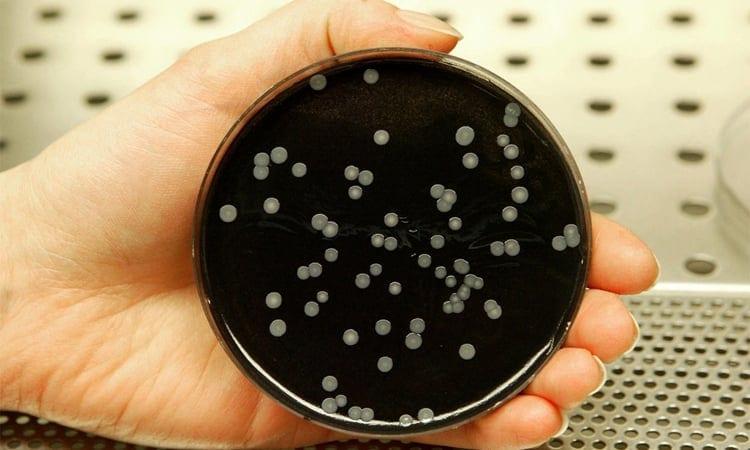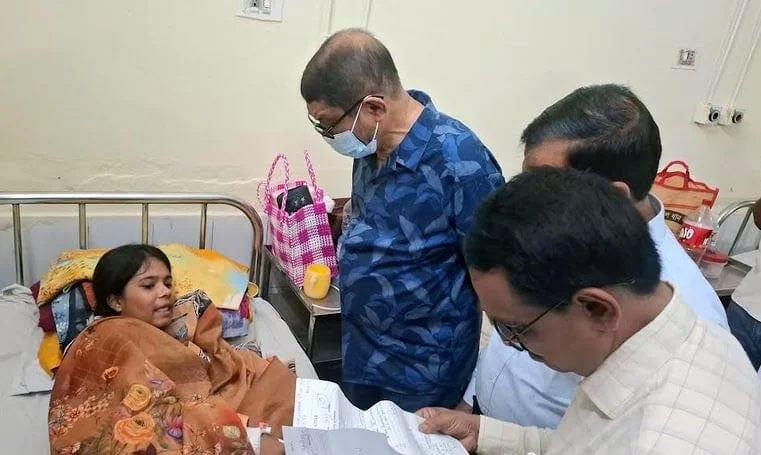
More than 130 doctors fell ill last month after consuming food contaminated with salmonella at the Eduardo Liceaga Hospital's cafeteria in Mexico City. Dozens of affected doctors protested outside the hospital, alleging that the outbreak was caused by spoiled food, including eggs served on August 31. The hospital, part of Mexico's federal health network, acknowledged the outbreak and promised an investigation into the incident. Health Secretary David Kershenobich confirmed that 135 resident physicians were affected, with 41 requiring hospitalization, all of whom are in good condition. However, doctors at the protest claimed there were 227 cases with 67 hospitalizations, including 15 in intensive care.
The outbreak has sparked significant concern within the medical community and among patients who rely on the hospital for care. The Eduardo Liceaga Hospital, located in a central neighborhood of Mexico City, is a prominent institution within Mexico's federal health network. The hospital's cafeteria, which serves resident physicians and specialist doctors, was the epicenter of the outbreak. The spread was somewhat contained due to the cafeteria's exclusive use by medical staff.
The affected doctors reported symptoms such as abdominal pain, diarrhea, and vomiting, which are common indicators of salmonella infection. One doctor, who chose to remain anonymous, described the food as spoiled, with visible worms and mold. The lack of clean water at the facility further exacerbated the situation, according to the doctor. The incident has raised questions about the food safety protocols in place at federal health institutions.
In response to the outbreak, Health Secretary David Kershenobich announced a comprehensive review of food service conditions at all federal health institutions. The goal is to prevent future incidents and ensure the safety of medical staff and patients. The hospital administration has also committed to improving food safety measures and addressing the issues raised by the protesting doctors.
This incident underscores the critical importance of maintaining high standards of food safety in healthcare settings. Ensuring the well-being of medical staff is essential not only for their health but also for the quality of patient care. As the investigation unfolds, it is hoped that the necessary measures will be implemented to prevent similar outbreaks in the future.