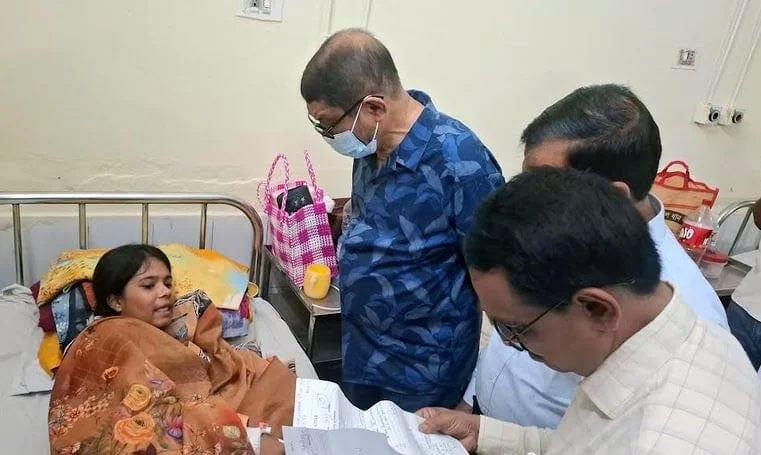
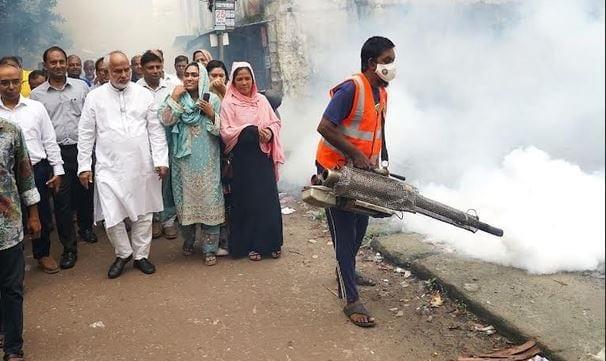
A total of 55 dengue patients have been admitted to different hospitals in Chattogram city and district in the last 24 hours. Among them, 27 were admitted at Chattogram Medical College Hospital (CMCH), according to a report of the District Civil Surgeon. Additionally, nine patients were admitted to the 250-bed Chattogram General Hospital, eight at the Bangladesh Institute of Tropical and Infectious Diseases (BITID) Hospital, five at various private hospitals and clinics, three at the Combined Military Hospital (CMH) Chattogram, and three to the Upazila Health Complexes. Currently, a total of 180 dengue patients are receiving treatment at various government and private hospitals across Chattogram, with 88 patients undergoing treatment at CMC Hospital. This year, 2,061 dengue patients have recovered and been discharged from the hospital. No fresh deaths have been reported in the past 24 hours, but six dengue-related deaths have been recorded in Chattogram this year.
Background on Dengue in Bangladesh
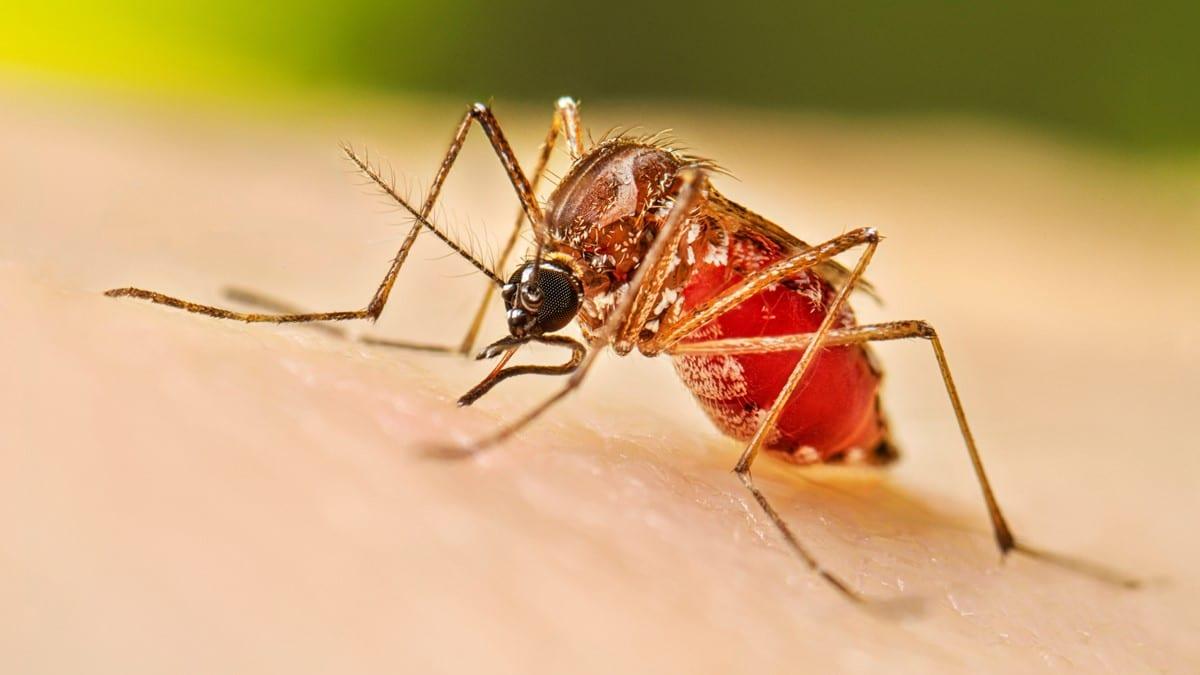
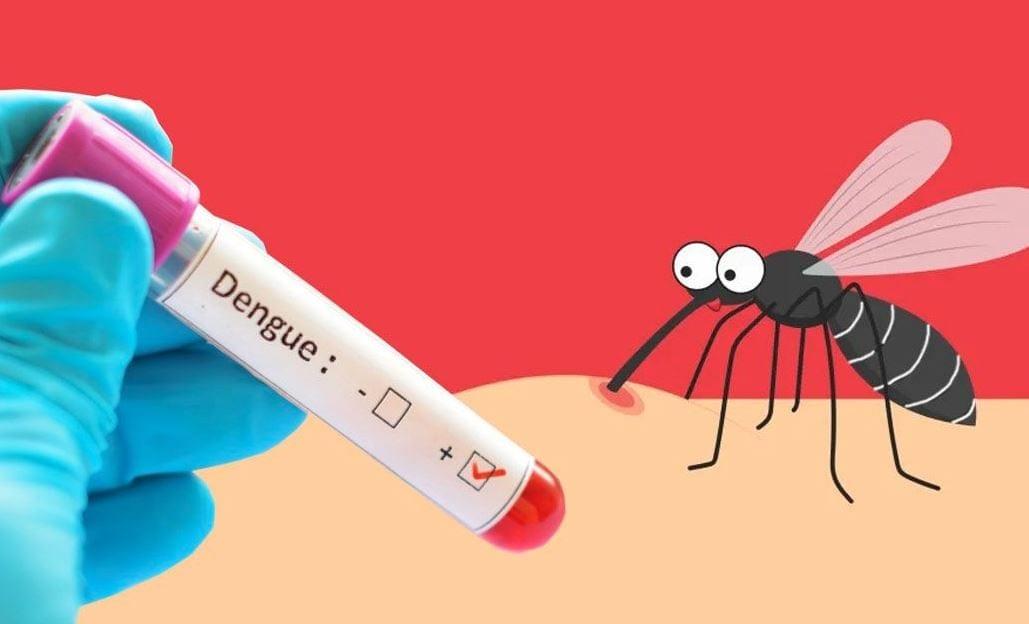
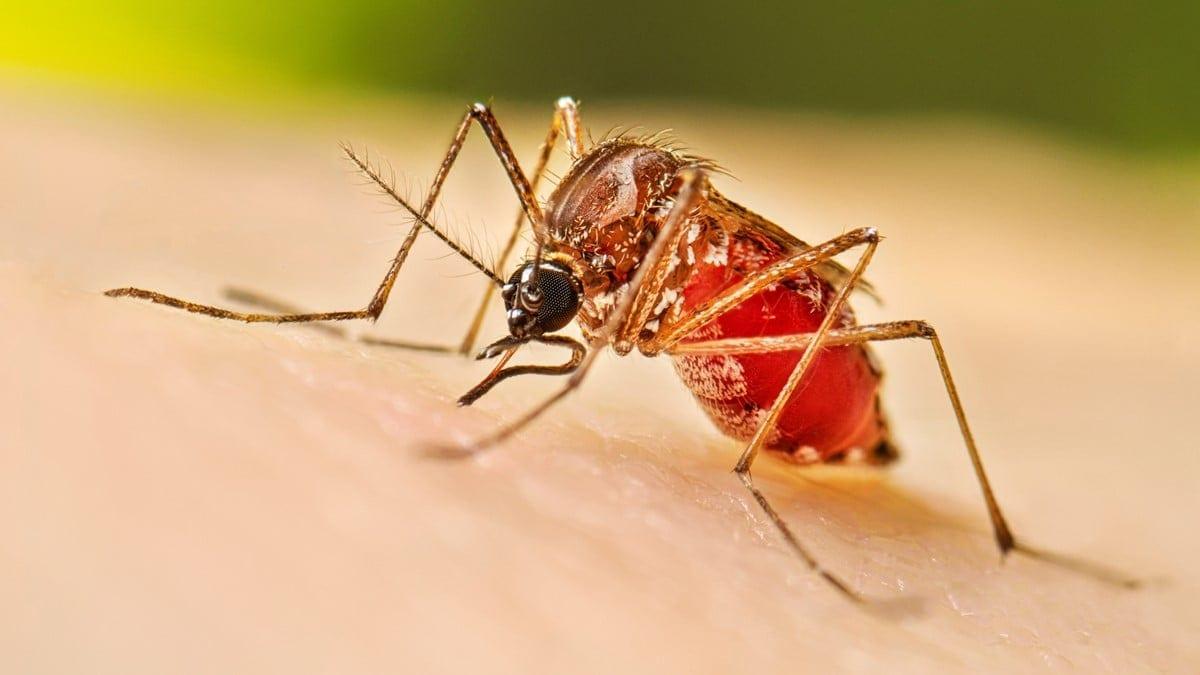
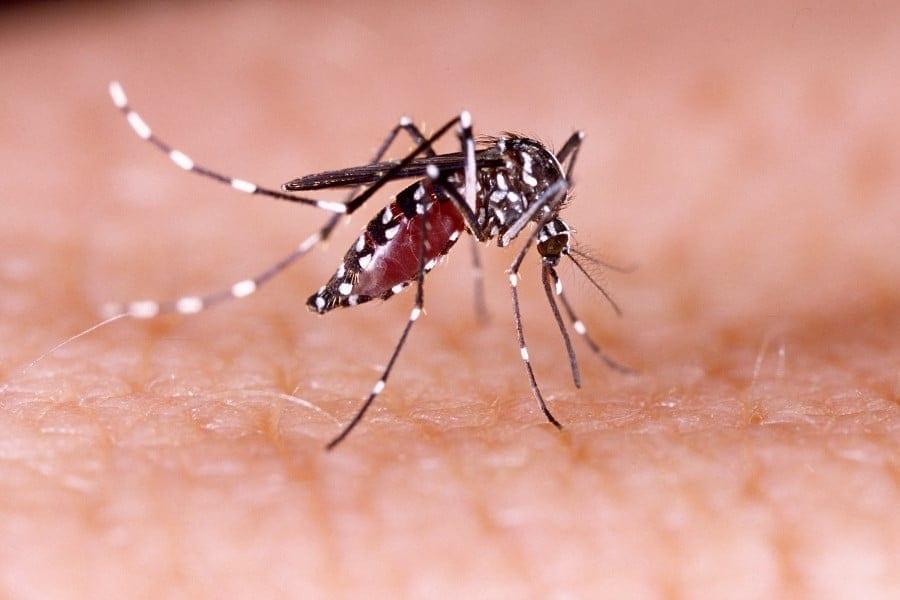
Dengue is a mosquito-borne viral infection that has become a significant public health concern in Bangladesh, particularly in urban areas like Chattogram. The Aedes mosquito, which transmits the dengue virus, thrives in stagnant water and is prevalent during the monsoon season. The symptoms of dengue include high fever, severe headache, pain behind the eyes, joint and muscle pain, rash, and mild bleeding. In severe cases, dengue can lead to dengue hemorrhagic fever or dengue shock syndrome, which can be fatal if not treated promptly.
Current Situation and Response
The recent surge in dengue cases in Chattogram highlights the need for continued vigilance and effective public health measures. The local government and health authorities are working to control the mosquito population through fogging and eliminating breeding sites. Public awareness campaigns are also being conducted to educate residents on preventive measures, such as using mosquito nets, wearing protective clothing, and eliminating stagnant water around their homes.