The Pulse Today
BREAKING
Sajib Pledges Aid for 50,000 Flood-Affected People in SonargaonMP Azharul Islam Mannan Distributes Relief Funds to Needy Families in SonargaonParliament Proposes Anti-Gambling Bill with Maximum 7-Year Prison PenaltyOpenAI Unveils 'Schedule' Feature to Boost Task Management in AI ChatbotPrime Minister Tareq Rahman Arrives in Dalian, China for Economic ForumEurope Confronts Intense Heatwave; Conditions Predicted to DeteriorateGold Prices Rise Again in Bangladesh Amid Global Market IncreaseSpaceX's Nasdaq Debut Values Company at Over $2 Trillion, Surpassing AmazonStudy Reveals AI Data Centers Contribute to Local Temperature IncreasesNarayanganj BNP Youth Wing Holds Rally to Welcome New Central CommitteeMirza Abbas Aims to Serve Public Again Post-Health RecoveryBCB Announces Comprehensive Review of Financial Benefits for All Cricket StakeholdersBank Resolution (Amendment) Bill, 2026 Introduced in Bangladesh's Jatiya SangsadRDA Chairman Abul Kalam Azad Releases Fish to Celebrate BNP's 48th AnniversaryBangladesh to Deploy New Submarine Cables to Address Growing Data DemandBangladesh's Investment Climate Reforms Receive Praise at UNCTAD CommissionDr. Zubaida Rahman Advocates for Zia Memorial Library in Every Bangladeshi VillageCommerce Minister Announces Soybean Oil Price Adjustments Due to Global Market and Production CostsPolice Constable Dies, 10 Injured in Madaripur Road Accident Involving Police VehicleKOICA Workshop Emphasizes Peer Learning for Sustainable DevelopmentBangladesh Bank Enhances Financing Using OBU Foreign Currency Deposits as CollateralGovernment Unveils Comprehensive Reform Plan to Revitalize Bangladesh's Leather IndustryBangladeshi Textile Firms Excel at Texworld Paris 2026Bangladesh Bank Simplifies Foreign Remittance Rules to Support Hi-Tech Park FirmsBangladesh Hockey Team Conducts Training in Beijing in Preparation for International Matches

Bangladesh to Deploy New Submarine Cables to Address Growing Data Demand

Bangladesh is set to install at least three new submarine cables over the next three to five years to meet the rising data demand, with data from 29 key government installations currently being routed through Bangladesh Submarine Cables PLC.

By Staff Correspondent
Share
Bangladesh to Deploy New Submarine Cables to Address Growing Data Demand

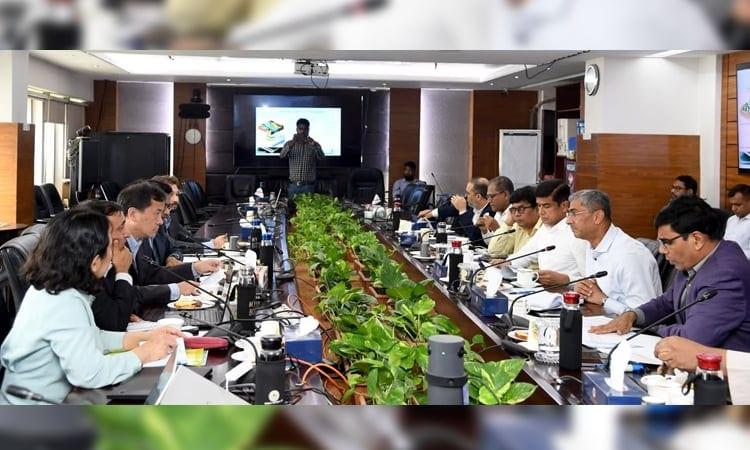
In a press conference held at the ICT Division Conference Room, Rehan Asif Asad, the Prime Minister's Adviser on Posts, Telecommunications and Information Technology, announced that Bangladesh plans to install at least three new submarine cables within the next three to five years. This initiative aims to meet the country's surging data demand, which is projected to reach 20 terabytes by the end of 2027 and 50 terabytes by 2030.

Currently, Bangladesh's total traffic stands at 12.1 terabytes, with 5.2 terabytes carried through submarine cables and the remaining through international terrestrial cables (ITC) of India. Asad emphasized the need for expansion of submarine cable infrastructure, noting that a submarine cable connection takes at least two years to establish. Therefore, preparations must begin now to meet the 2030 target.

Asad revealed that data from 29 highly sensitive "key installations" is being securely routed through submarine cable connectivity, rather than ITC. He stressed the importance of geographical diversity in connectivity and ensuring that data encapsulation does not occur through any foreign entity. The government is also exploring alternative connectivity through Payra beyond Chattogram to provide geographical diversity and prevent network disruptions during natural disasters.

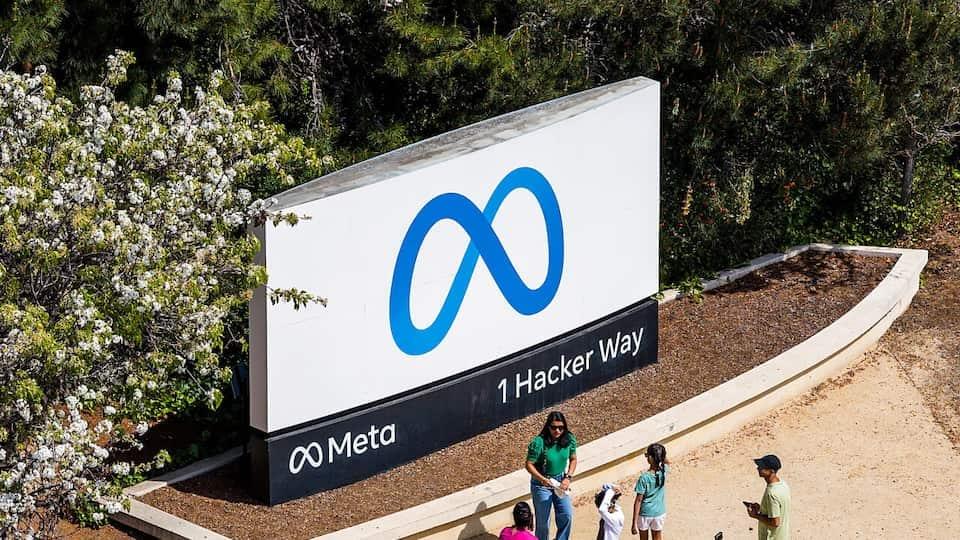
The cost of direct routing via submarine cables is approximately US$ 0.10, compared to US$ 0.37 when routing through Singapore. Asad mentioned ongoing discussions with tech giants Google and Meta to establish their own Points of Presence (POP) and Content Delivery Networks (CDN) in Bangladesh within the next year. This move is expected to reduce internet costs and increase speed for users.

Additionally, the government has outlined plans for a "One Citizen One ID" system, which will provide a digital identity for every individual, from newborns to the elderly. This system will include both physical and virtual mobile smart cards, with 10 built-in virtual wallets for specific services. The comprehensive approach to digital infrastructure and identity management underscores Bangladesh's commitment to enhancing its telecommunications and data security frameworks.

Source: BSS

Topics

Comments

Related stories

More in Technology

See all →

Latest stories