The United Nations' World Meteorological Organization (WMO) has warned that the El Nino weather phenomenon is expected to become 'very strong' in the coming months and will likely persist through February. This development is anticipated to have substantial impacts on global rainfall and temperature patterns, increasing the risks of floods, droughts, and extreme heat. The WMO emphasized that El Nino is already firmly established and will intensify, leading to significant weather-related challenges worldwide.
What is El Nino?
El Nino is a climate pattern characterized by the warming of surface waters in the central and eastern Pacific Ocean. It occurs irregularly, approximately every two to seven years, and can last for several months to over a year. El Nino affects weather patterns globally, often leading to increased rainfall in some regions and drought in others. It can also influence temperature extremes and contribute to severe weather events.
Impacts of a Strong El Nino
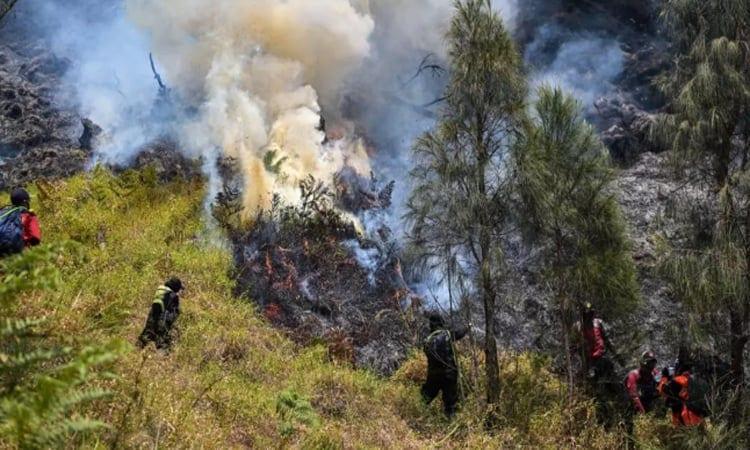
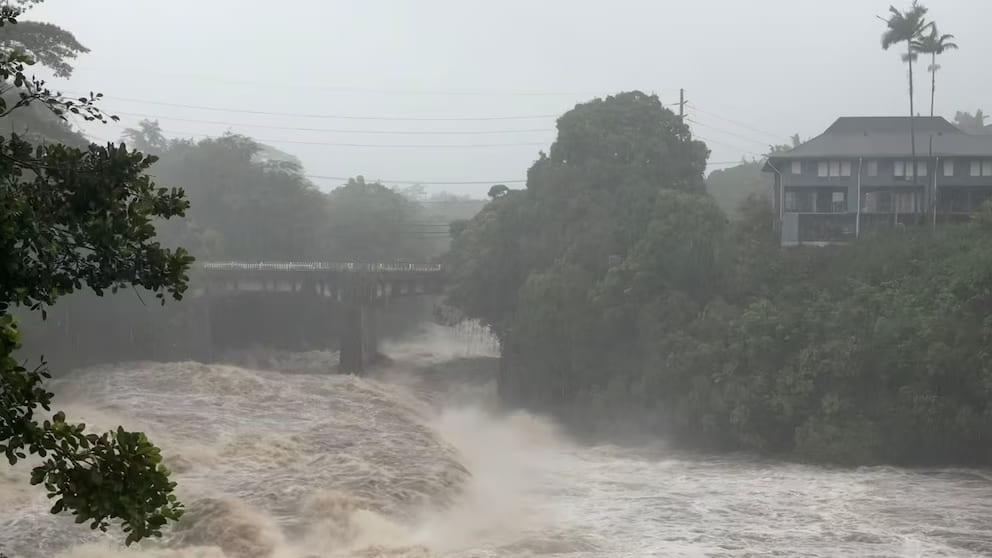
A strong El Nino can have widespread effects on weather and climate around the world. In the Asia-Pacific region, it typically leads to reduced monsoon rainfall, which can exacerbate drought conditions. In contrast, parts of South America may experience increased rainfall and flooding. The phenomenon can also contribute to extreme heat events and influence hurricane activity in the Atlantic and Pacific Oceans.
Preparing for the Impacts
Governments and communities are advised to prepare for the potential impacts of a very strong El Nino. This includes enhancing drought management strategies, improving flood defenses, and ensuring adequate water and food supplies. Meteorological agencies will continue to monitor the situation closely and provide updates to help countries mitigate the risks associated with extreme weather events.
Why This Matters for Bangladesh
For Bangladesh, the forecast of a very strong El Nino is particularly concerning. The country is highly vulnerable to climate-related disasters, including floods and droughts. A strong El Nino could exacerbate these risks, leading to more frequent and severe weather events. This underscores the importance of robust disaster preparedness and climate resilience strategies in Bangladesh.