Belgium's foreign minister, Maxime Prevot, has reiterated his country's opposition to EU proposals for seizing frozen Russian central bank assets to fund Ukraine. Speaking after talks with his EU counterparts in Ireland, Prevot stated that Belgium's stance remains unchanged. He emphasized that the reasons for their opposition have not disappeared and that using these assets carries significant risks. Belgium, where most of the approximately 200 billion euros ($230 billion) are held, played a key role in blocking a similar EU plan last year. Instead, EU countries provided a 90-billion-euro loan to Ukraine. However, with concerns growing over the sustainability of this funding, four EU countries have renewed the debate on utilizing the frozen Russian assets.
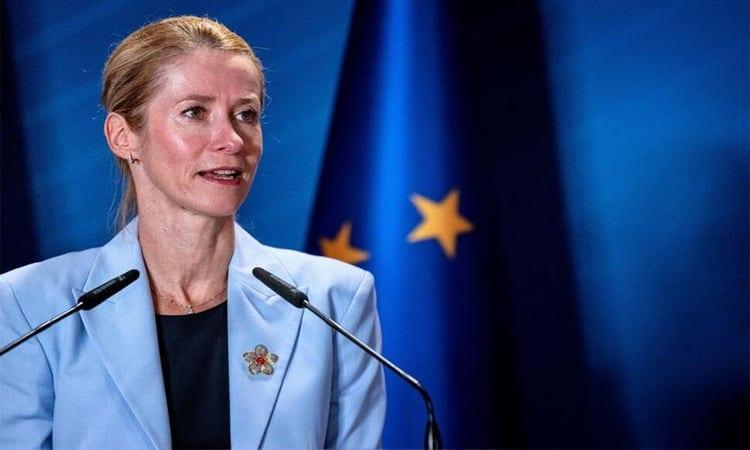
The proposal to use the frozen Russian assets has not gained much traction among EU members. Prevot highlighted that there is little enthusiasm or appetite among EU colleagues for this approach. He warned that using these assets through a process akin to confiscation poses substantial risks. Despite Belgium's strong opposition, the renewed push to tap into the assets is not entirely dead. EU foreign policy chief Kaja Kallas indicated after the talks that fresh funds for Ukraine should ultimately come from Russia, which is why some Member States are revisiting the discussion of the frozen assets.
The frozen Russian assets, held primarily in Belgium, represent a significant sum that some EU countries believe could be used to support Ukraine. However, Belgium's resistance is rooted in concerns over the legal and financial implications of seizing these assets. The Belgian government argues that such a move could set a dangerous precedent and potentially destabilize the international financial system. Additionally, there are worries about the reaction from Russia and the impact on future diplomatic relations.
The debate over the frozen Russian assets is part of a broader discussion about how the EU can continue to support Ukraine in its conflict with Russia. With the 90-billion-euro loan nearing its end, EU countries are under pressure to find alternative sources of funding. The proposal to use the frozen assets is one of several options being considered, but it faces significant opposition not only from Belgium but also from other EU members who share similar concerns.
As the EU navigates this complex issue, the stance of individual member states will play a crucial role in determining the future of the frozen Russian assets. Belgium's firm opposition underscores the challenges the EU faces in reaching a consensus on this matter. The outcome of these discussions will have significant implications for the ongoing support to Ukraine and the broader geopolitical dynamics in Europe.