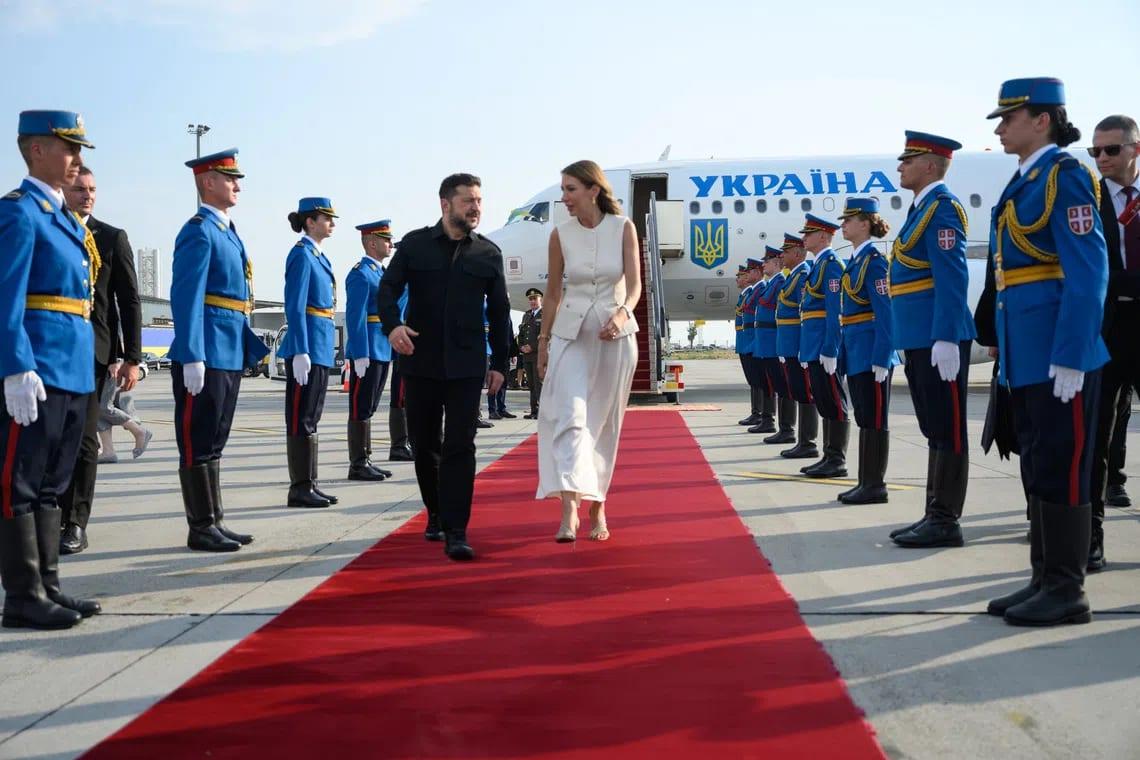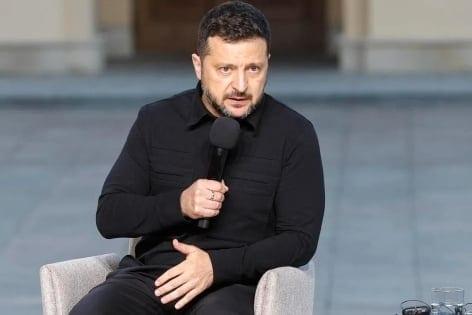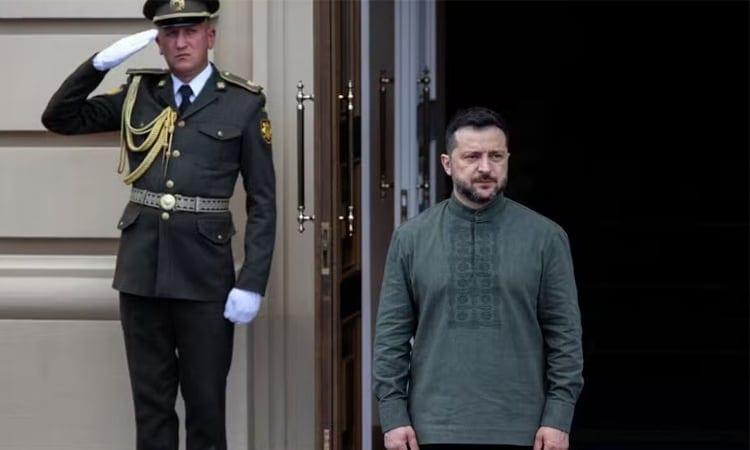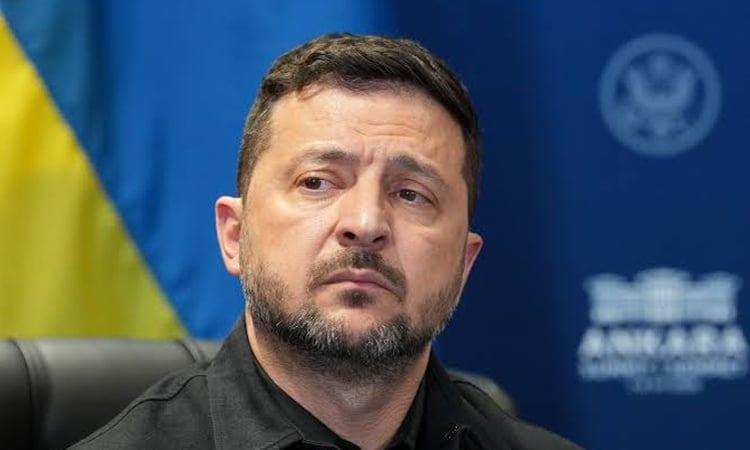
On Friday, Ukrainian President Volodymyr Zelensky touched down in Belgrade for a two-day visit, marking his first trip to Serbia since Russia's invasion of Ukraine. Zelensky's visit, primarily aimed at bolstering economic relations, also touches on broader security and European Union ties. He is scheduled to meet with Serbian President Aleksandar Vucic, who has maintained a close relationship with Moscow, refusing to impose sanctions against Russia.
Zelensky expressed his intent to discuss various areas of mutual benefit, including economic cooperation, EU relations, and security concerns. Despite Serbia's historical ties with Russia and its reliance on Russian gas, Vucic has supplied non-military aid to Ukraine, although he denies selling munitions to Kyiv.
Serbia's stance on sanctions against Russia has been a point of contention, with Vucic asserting that the country's position has not changed since it was set nearly five years ago. Zelensky's visit is seen as an attempt to persuade Serbia to shift its alignment, though Vucic remains steadfast in his refusal to impose sanctions.
This diplomatic outreach is part of Zelensky's broader strategy to garner support for Ukraine, as he continues to navigate the complexities of international relations amidst the ongoing conflict. While the visit aims to strengthen bilateral ties, it also underscores the challenges of aligning with a country that maintains close ties with Russia.
For countries like Bangladesh, observing these diplomatic maneuvers is crucial, as they reflect the intricate dynamics of global alliances and the influence of regional powers.