Prime Minister Tarique Rahman announced that the government has introduced a series of initiatives, including financial incentives and preferential tariffs, to promote rooftop solar power generation. This move is part of the government's broader strategy to expand the use of renewable energy and address the ongoing energy crisis. The announcement was made during a question-answer session in parliament.
Financial Incentives and Tariffs
Under the new policy, the government will purchase electricity from rooftop solar systems installed within the next six months at a rate of Taka 10.15 per unit. This rate includes an incentive on top of the bulk rate, offering a lucrative opportunity for solar power generation. The Prime Minister noted that the average cost of generating one unit of electricity is Taka 6-7, implying a potential profit margin of up to 45 percent, including a 40 percent profit margin and a 5 percent premium. This incentive will be effective for up to three years.
Exemptions and National Initiative
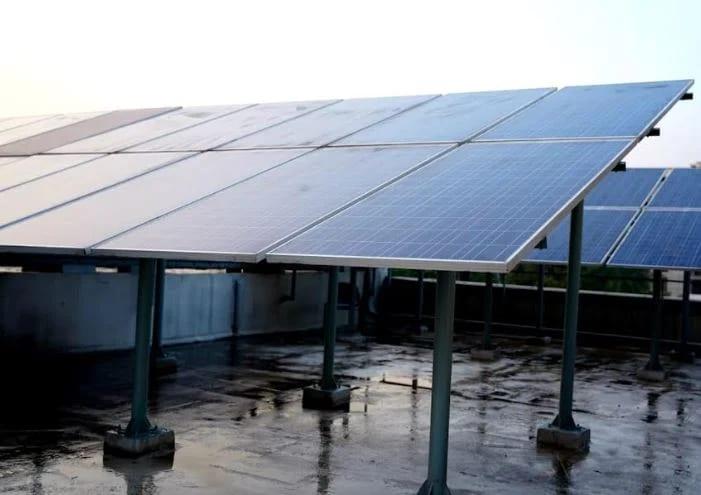
In addition to the financial incentives, solar power equipment such as solar panels, inverters, and batteries have been exempted from customs duty, regulatory duty, supplementary duty, advance tax, and an additional 2 percent advance income tax, subject to certain conditions. The government has also launched a National Rooftop Solar Initiative to install solar systems at government buildings, educational institutions, hospitals, and other key establishments. The implementation guidelines for this program have been prepared, and special allocations have been made for various ministries, divisions, and agencies.
Prime Minister Rahman highlighted that rooftop solar systems have already been installed at the offices of all deputy commissioners and divisional commissioners across the country. He also mentioned that steps have been taken to generate electricity from hydropower, wind, and waste. The Prime Minister expressed hope that these initiatives would help address the energy crisis and increase the use of renewable energy.
The parliament session, chaired by Jatiya Sangsad Speaker Hafiz Uddin Ahmad, began at 3:30pm. During the half-hour question-answer session, the Prime Minister answered four written questions and six supplementary questions directly. A total of eight written questions were scheduled for the session.