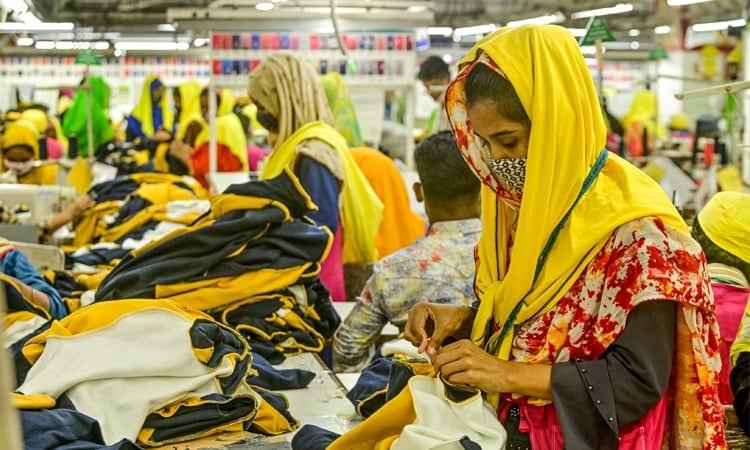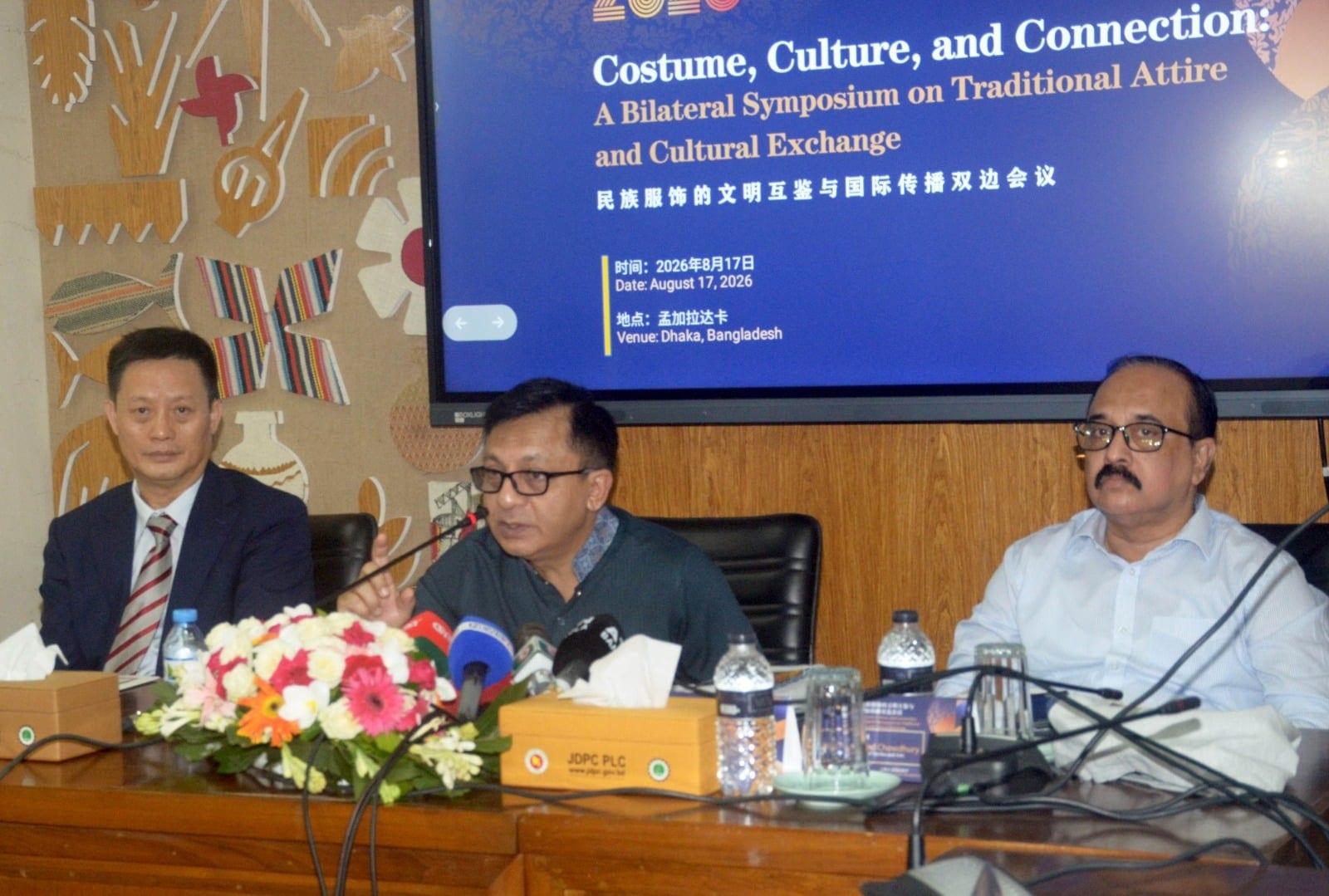
In a bid to accelerate the development of the semiconductor industry, the government is contemplating the introduction of incentive facilities for the sector, akin to those provided to the ready-made garments (RMG) industry. Fazlur Rahman, Managing Director of the Bangladesh Hi-Tech Park Authority (BHTPA), revealed that the semiconductor sector has been designated as a strategic one, with the government committed to fostering its growth through supportive policies and investment promotion.
The proposed policy package would include facilities similar to the RMG sector's bonded warehouse system, allowing export-oriented semiconductor manufacturers to import raw materials duty-free. This move aims to enhance Bangladesh's competitiveness in the global chip value chain.
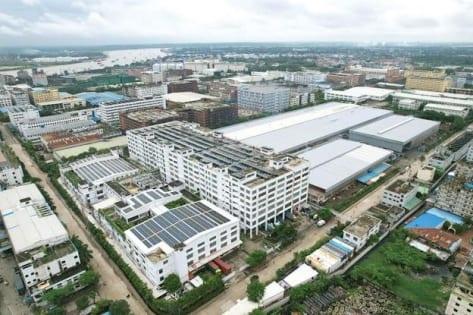
Acknowledging the capital-intensive nature of semiconductor manufacturing, Rahman emphasized the need for a business-friendly environment. The government is reviewing additional measures to make Hi-Tech Parks more attractive for semiconductor investments. To address the shortage of skilled manpower, the BHTPA is preparing a specialized training program on semiconductor design in consultation with industry stakeholders.
The government has already announced extensive customs duty and Value Added Tax (VAT) exemptions on imports of capital machinery, equipment, software, and raw materials required for semiconductor manufacturing, integrated circuit (IC) design, Electronic Design Automation (EDA), Outsourced Semiconductor Assembly and Testing (OSAT), packaging, and fabrication.
Munir Ahmed, Managing Director of iTest Bangladesh Limited and director of the Bangladesh Semiconductor Industry Association (BSIA), highlighted Bangladesh's potential to become a competitive player in the global semiconductor market by initially focusing on chip design and semiconductor testing. He noted that semiconductor-focused roadshows in Seoul and the United States this year have successfully showcased Bangladesh's capacity to leading global companies, generating strong international interest.
Building a robust semiconductor ecosystem, ensuring policy continuity, and offering competitive incentives similar to India's Semiconductor Mission are seen as essential to attracting major global semiconductor companies. With its large youth population and growing number of ICT and engineering graduates, Bangladesh could provide the skilled workforce required for the around $44 billion global industry with appropriate specialized training.