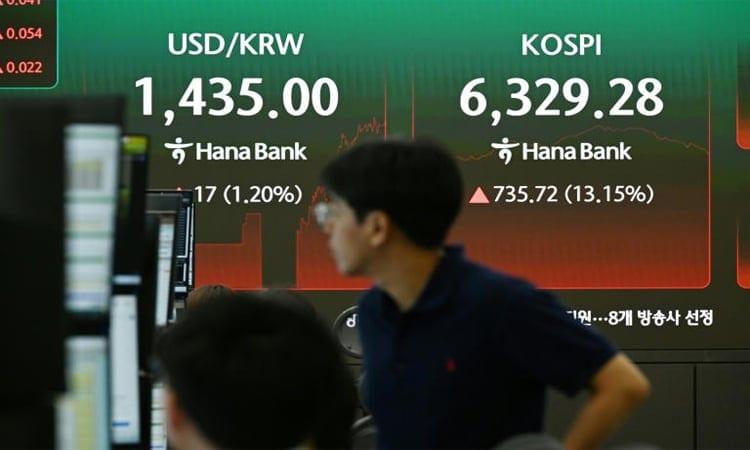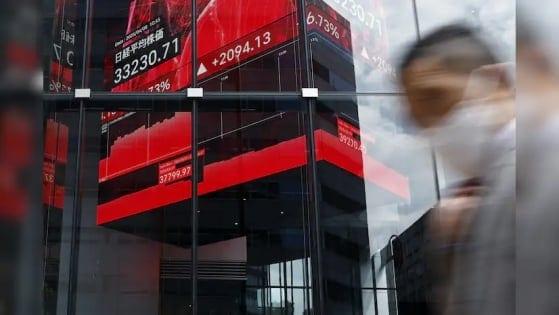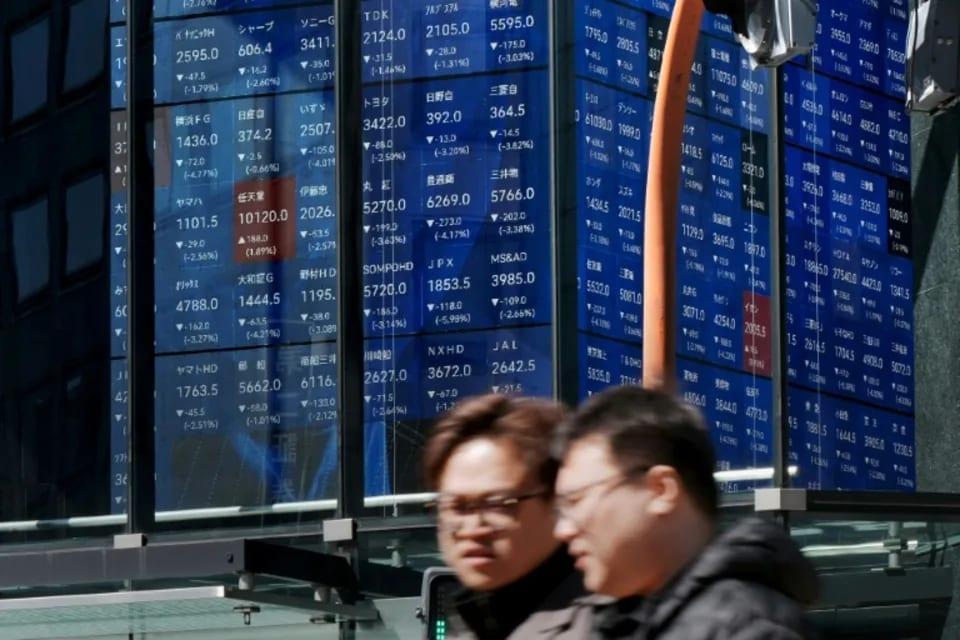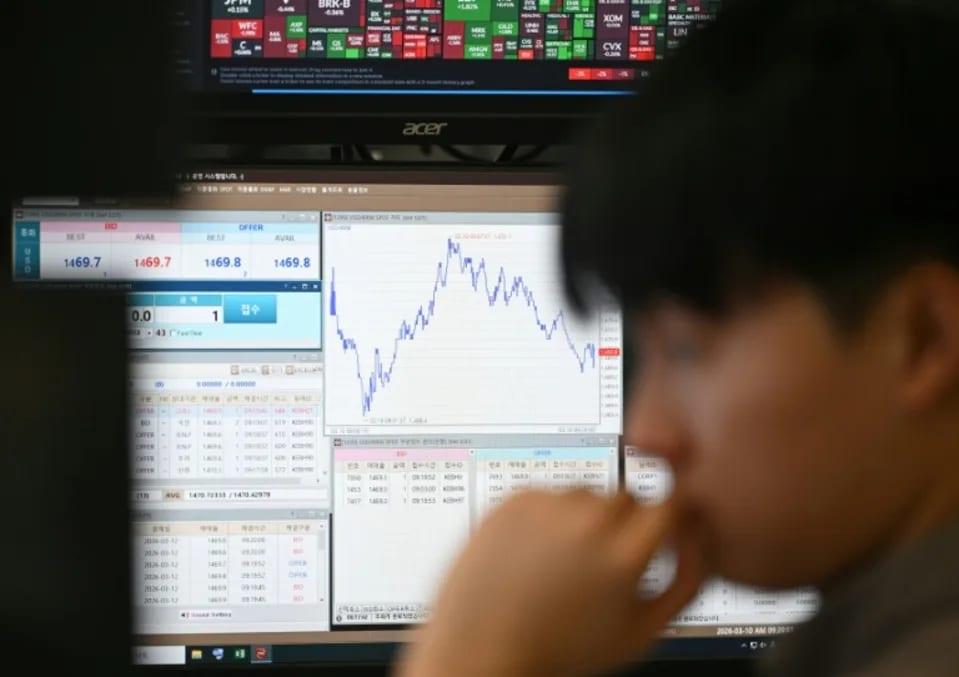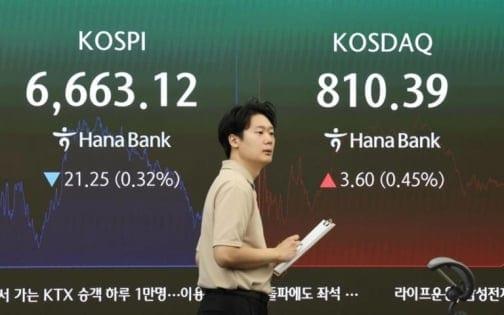
Most Asian stock markets experienced declines on Tuesday as oil prices continued to rise and investors anticipated a Federal Reserve interest rate hike this week. However, tech firms showed a slight recovery from recent losses driven by concerns over the rapid growth of artificial intelligence (AI).
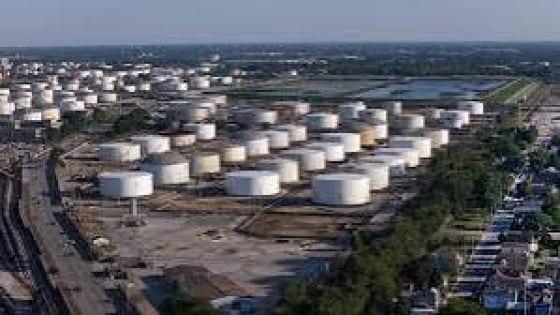
The ongoing crisis in the Middle East, particularly the control of Yemen's Red Sea coast and the Bab al-Mandab Strait by Houthi rebels, has contributed to a spike in crude oil prices. This month, prices have exceeded $100 per barrel, heightening global inflation concerns.
Both main oil contracts climbed more than one percent on Tuesday. The surge in energy costs, with US diesel prices topping $6 a gallon, has increased pressure on central banks to address rising inflation. The 10-year US Treasury yield approached five percent, a level not seen since October 2023.
Following a rate hike by the European Central Bank last week, attention has shifted to the Federal Reserve, with traders pricing in a more than 90 percent chance of a US rate hike. This expectation led to declines in major Asian markets including Hong Kong, Shanghai, Sydney, Singapore, Wellington, and Taipei.
Tech firms in South Korea and Japan saw a small rebound after significant losses on Monday. This followed comments from Anthropic CEO Dario Amodei, who called for a coordinated slowdown in AI development to better understand associated risks. Industry leaders such as Elon Musk and Sam Altman supported this view, leading to a reassessment of the tech sector's rapid growth.
The recent volatility in tech stocks has prompted traders to reconsider their outlook for the speed of AI development. Analysts noted that hedge funds had been rebuilding their positions in the technology sector, but the calls for a slowdown by industry leaders have introduced new complexities.
For Bangladesh, the rising oil prices and global market volatility underscore the importance of domestic economic stability and the need for strategic planning in sectors reliant on imported energy. The anticipated US rate hike also highlights the interconnectedness of global financial markets and the potential impact on local economies.