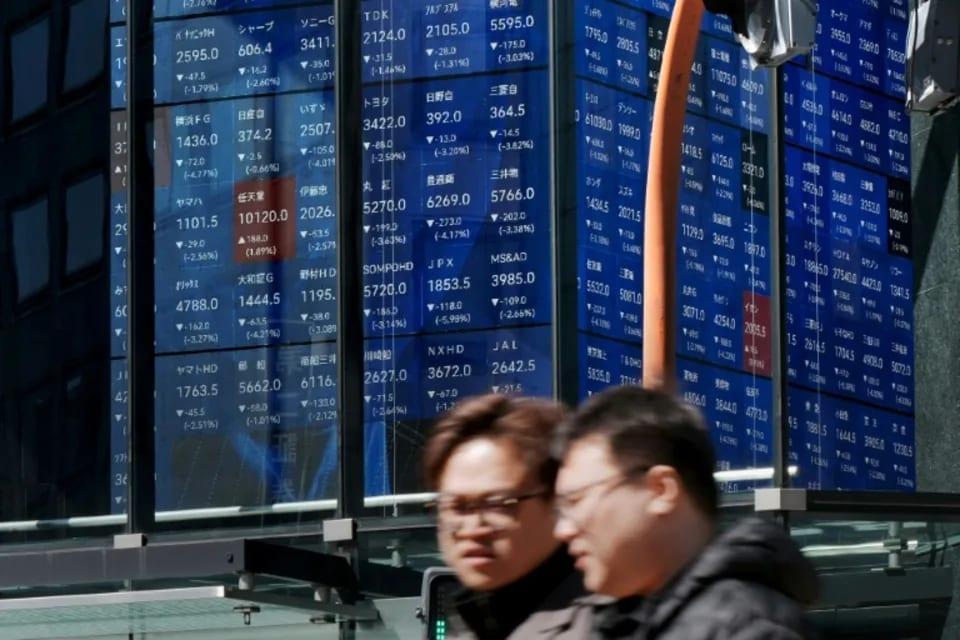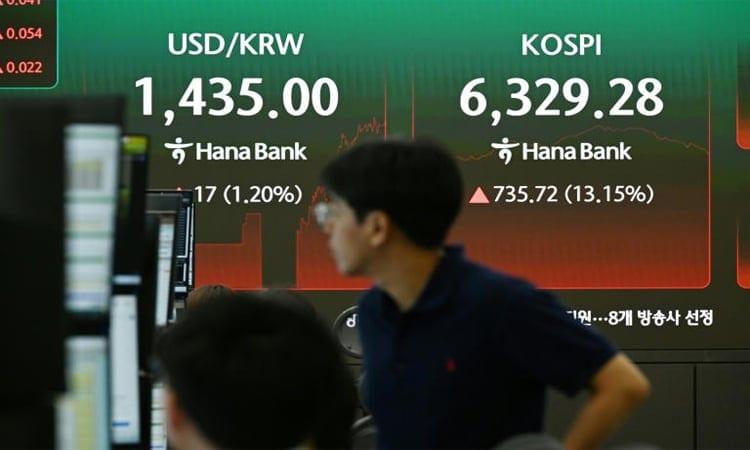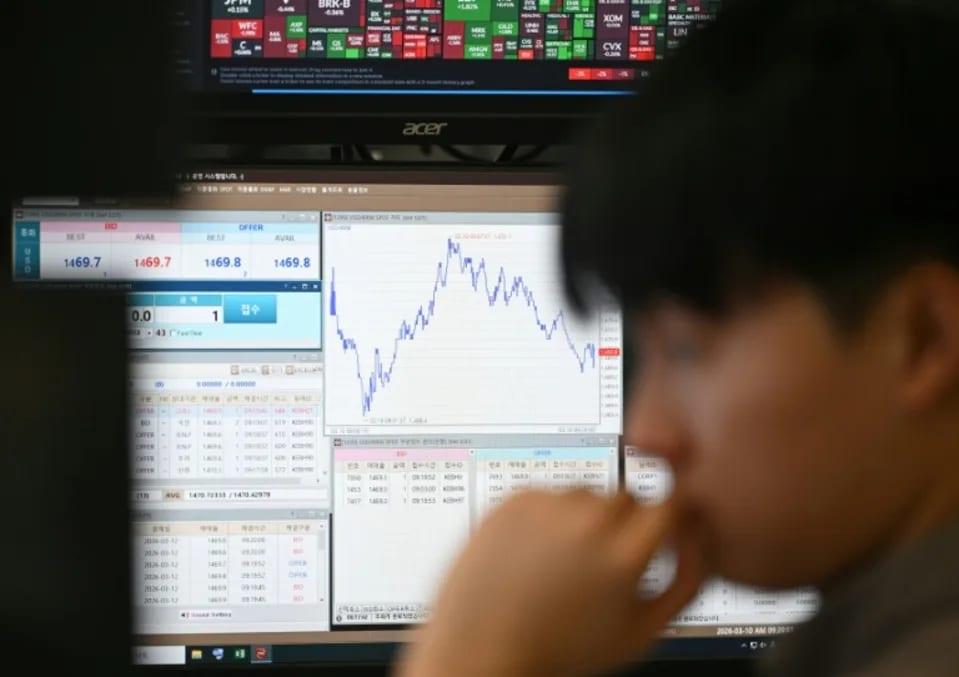
Tech firms rallied on a mixed day for Asian stocks, with traders gearing up for a crucial week of events culminating in US inflation data that could determine the Federal Reserve's decision on interest rates. The gains, led by chipmakers in Seoul and Tokyo, came despite a forecast-busting reading on US jobs that increased bets on a central bank tightening on September 16. A fresh bout of US-Iran strikes pushed oil prices higher, adding to inflation expectations. After July's rout of AI-linked firms, investors have been edging back into the sector, confident that the vast sums invested in recent years will pay off despite concerns about elevated valuations.
Market Movements
South Korea's Samsung and SK hynix soared four and six percent respectively, while Kioxia, Tokyo Electron and Advantest rallied between five and 7.5 percent in Japan. On broader markets, Seoul was more than three percent higher and Tokyo added more than two percent, with Taipei up more than one percent thanks to a spike in chipmaker TSMC. There were also gains in Sydney and Jakarta. However, Hong Kong, Singapore, Wellington and Manila fell, while Shanghai was flat.
Inflation and Rate Hikes
Friday's release of the US consumer price index for August is seen as critical in deciding whether the Fed hikes rates next week or stands put. The CME Group's FedWatch tool put the chances of an increase at more than 56 percent after figures Friday showed the US economy created far more jobs than expected in August. Elias Haddad, at Brown Brothers Harriman, said: 'A September 16 Fed funds rate hike hinges on Friday's US August CPI print. A hot CPI print would all but seal a September hike and underpin a firmer US dollar. A cooler reading would strengthen the case for a hold.'
Geopolitical Tensions and Oil Prices
The spike in oil prices sent US diesel prices to a record high of $5.85 a gallon last week. Iran's top negotiator threatened a more forceful response to any further US attacks following strikes on American warships in their latest round of clashes. The exchanges of fire, which began with US raids last week, come amid a deadlock in the six-month conflict.
Why This Matters for Bangladesh
The performance of tech firms and the broader Asian markets can impact global economic trends, which in turn affect Bangladesh's export-oriented economy. Fluctuations in oil prices and inflation rates in major economies like the US can influence Bangladesh's import costs and overall economic stability. Additionally, geopolitical tensions can disrupt global supply chains, affecting the availability and cost of essential goods for Bangladesh.