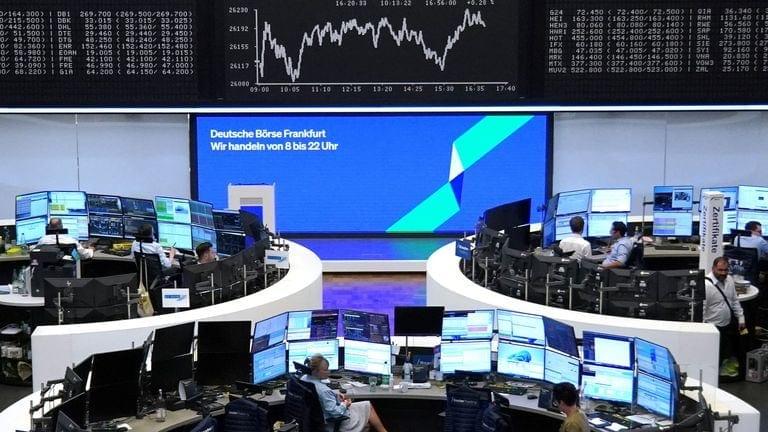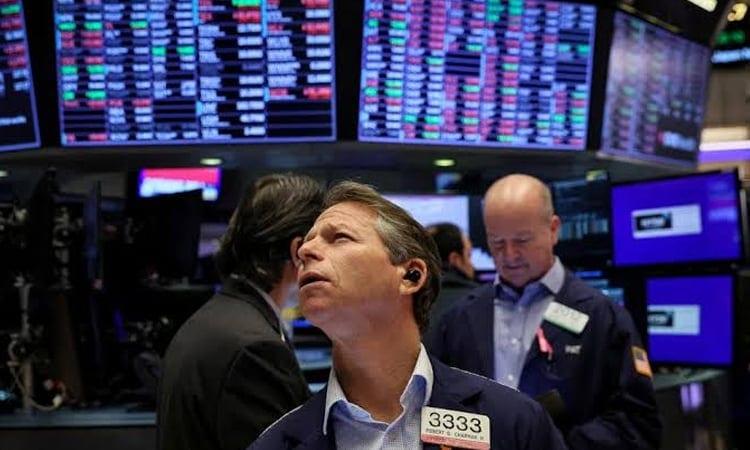
Wall Street experienced a decline in stocks on Friday following the release of a surprisingly strong US jobs report. The report indicated that the US economy added 162,000 jobs in August, significantly outperforming analysts' expectations. This strong performance also revised upward the job figures for June and July. As a result, futures markets now place the likelihood of a Federal Reserve interest rate hike in September at 60.2 percent, up from 49.4 percent the previous day.
Market Reaction and Analyst Views
Approximately an hour into trading, the Dow Jones Industrial Average had dropped by 0.5 percent to 53,397.76. The S&P 500 dipped by 0.3 percent to 7,727.62, while the tech-heavy Nasdaq Composite Index slipped by 0.2 percent to 26,537.43. Briefing.com analyst Patrick O'Hare described the report as "a bit of a shocker," noting that the positive news on nonfarm payrolls was quickly interpreted as negative for monetary policy.
Jack Ablin of Cresset Capital remarked that the jobs data was "certainly too good for the Fed to ignore." He stated, "It's pretty much a done deal that the Fed will raise rates in a couple of weeks" following the report. The robust job growth has raised concerns among investors about the potential for higher interest rates, which could impact borrowing costs and economic growth.
Implications for the Federal Reserve and Economy
The Federal Reserve has been closely monitoring economic indicators to determine the appropriate timing for interest rate adjustments. Strong job growth is a key factor in this decision, as it suggests a healthy labor market and potentially inflationary pressures. Higher interest rates are typically used to curb inflation but can also slow down economic growth by making borrowing more expensive.
For investors, the prospect of higher interest rates can lead to volatility in the stock market, as companies may face increased costs for borrowing and potentially lower profit margins. Additionally, consumers may see higher costs for loans and mortgages, which could affect spending and overall economic activity. The Fed's decision will be closely watched by both domestic and international markets, given the interconnectedness of global economies.