Global stock markets fell sharply while bond yields reached multi-decade highs, driven by escalating tensions in the Middle East that have caused a spike in oil prices. The renewed conflict between the United States and Iran, marked by attacks on each other's interests, has closed the Strait of Hormuz—a critical passage for global oil and gas—and heightened inflation fears. This situation, coupled with concerns over government spending and corporate debt, has increased expectations of rate hikes, pushing up government borrowing costs. Key markets across Asia and the United States saw significant losses, with tech firms particularly affected due to their reliance on low borrowing rates. Investors are now awaiting key jobs and inflation data that could influence the Federal Reserve's decision on interest rates.
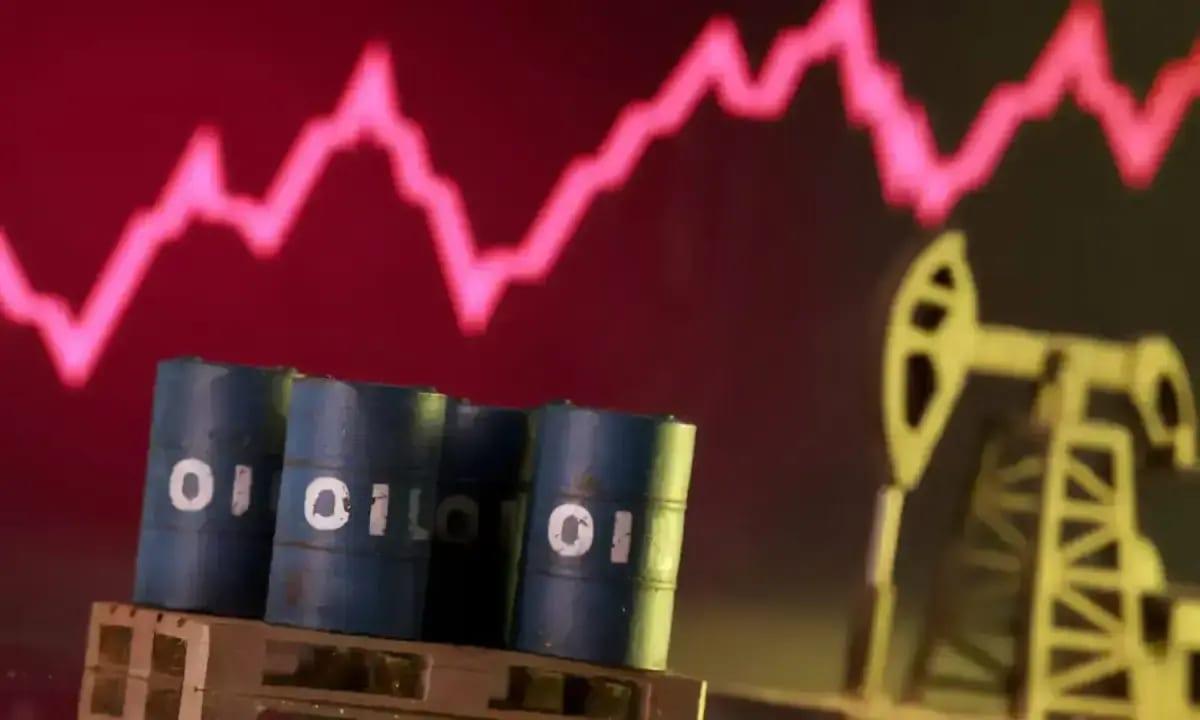
The recent military actions in the Middle East have had an immediate and severe impact on global markets. Crude oil prices jumped more than two percent, with West Texas Intermediate up 1.5 percent at $91.60 per barrel and Brent North Sea Crude up 1.9 percent at $96.45 per barrel. The closure of the Strait of Hormuz, through which about a fifth of the world's oil and gas passes, has exacerbated these price increases. This has, in turn, fueled inflation concerns, leading investors to ramp up bets on rate hikes.
Bond yields have soared in response to these developments. The yield on 30-year UK government bonds is at its highest since 1998, while 10-year debt yields are at levels last seen during the 2007-08 global financial crisis. Similarly, Japan's 10-year bond yield is at a 30-year high, and US Treasuries are nearing their 2007 marks. Rajeev De Mello of Gama Asset Management noted that higher yields are a significant headwind for Asian equities, particularly longer-duration tech stocks.
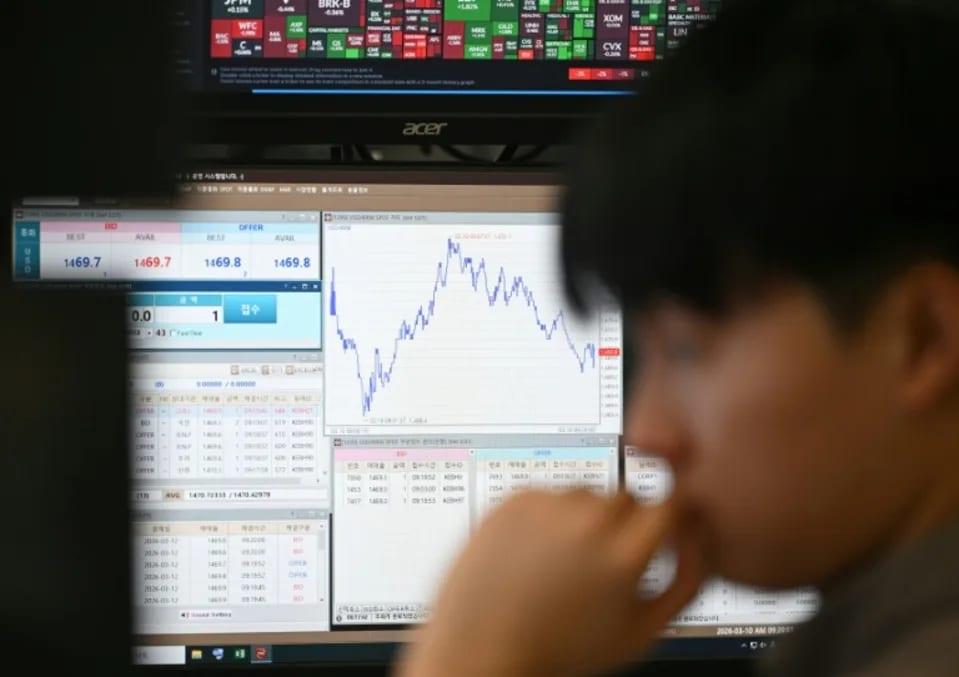
Markets across Asia saw substantial declines, with tech firms dragging down indices in Tokyo and Seoul. Hong Kong, Shanghai, Sydney, Singapore, Wellington, Taipei, and Manila also experienced significant drops. This followed losses on Wall Street, where all three main indexes closed lower. Investors are now focusing on upcoming data releases on jobs and inflation, which could influence the Federal Reserve's next move on interest rates. According to Bloomberg, there is a 70 percent probability of a rate hike, a sentiment echoed by Fed governor Michael Barr, who emphasized the need for decisive action if inflation does not moderate.