Oil prices experienced a significant drop while stock markets reached new highs following US Treasury Secretary Scott Bessent's announcement that a deal to reopen the Strait of Hormuz could be reached soon. This development comes after five months of blockage for Gulf oil and gas tankers, leading to increased optimism in the markets.
Market Reaction
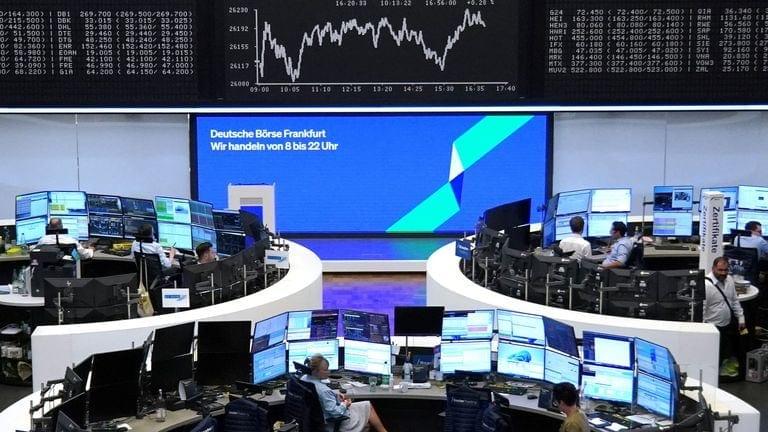
The optimism surrounding the potential reopening of the Strait of Hormuz led to a surge in stock markets. Two of the three major Wall Street indices achieved fresh records, and benchmark indexes in Paris and Milan closed at all-time highs. Frankfurt and Madrid also extended their records reached on the previous day.
Earnings and Volatility
The gains in the markets followed a volatile week driven by concerns over massive AI spending and its economic impact. However, a series of strong US corporate earnings, including from AI-data mining giant Palantir and construction company Caterpillar, bolstered investor confidence.
Geopolitical Concerns
Despite the positive market reaction, investors remain cautious about the prospects of the Strait of Hormuz reopening. Earlier announcements of an imminent deal to end the US-Iran conflict did not materialize, and a merchant ship was hit by a projectile in the area, with one crew member reported missing.
Energy Market Impact
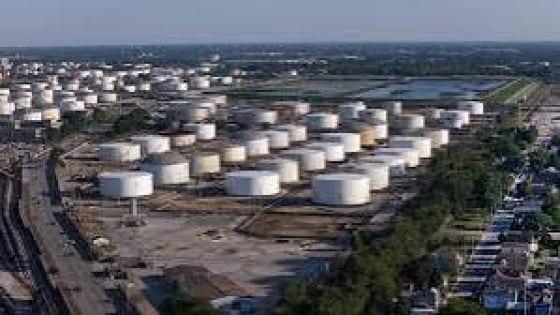
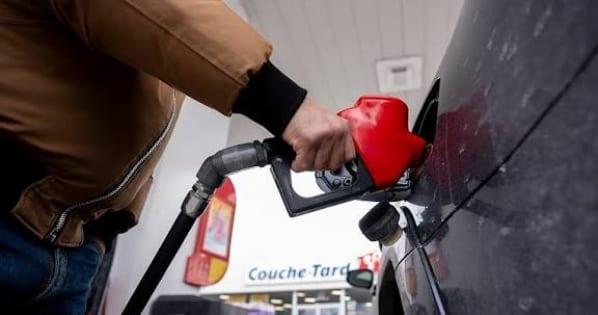
The potential reopening of the Strait of Hormuz is expected to stabilize energy prices. Brent North Sea Crude and West Texas Intermediate both saw significant drops. Major oil companies like BP and Saudi Aramco reported increased profits due to the previous high oil prices.