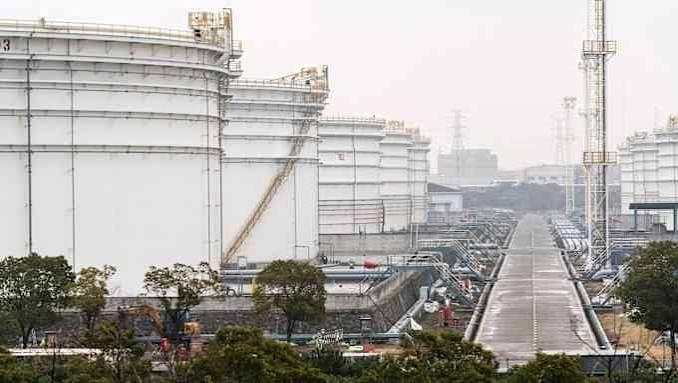
Asian stocks edged higher on Wednesday as oil prices extended a decline on receding concerns about another military flare-up between the United States and Iran. The drop in oil prices was driven by signs of fresh diplomacy to end the Middle East crisis, including positive talks between key Pakistani mediators and Iran's president. Both main crude contracts have tumbled more than eight percent this week as Tehran and Oman edge towards a deal to partially reopen the Strait of Hormuz.
While US Treasury Secretary Scott Bessent announced an 'economic D-Day' against Iran and its trade partners, the measures were considered softer than many had feared. Jason Wong at BNZ noted that the move could reflect market sentiment that the latest US strategy, 'Operation Economic Outcast', aimed at severing Iran's remaining financial lifelines, could bring Iran back to the negotiating table and help resolve the conflict.
Pakistan Interior Minister Mohsin Naqvi reported 'a very positive and productive meeting' with Iran's president on Monday, saying on X he believes the 'momentum will help pave the way for further progress and lasting peace in the region'. Crude oil prices fell more than two percent on Wednesday, with Brent crude back well below $90 a barrel.
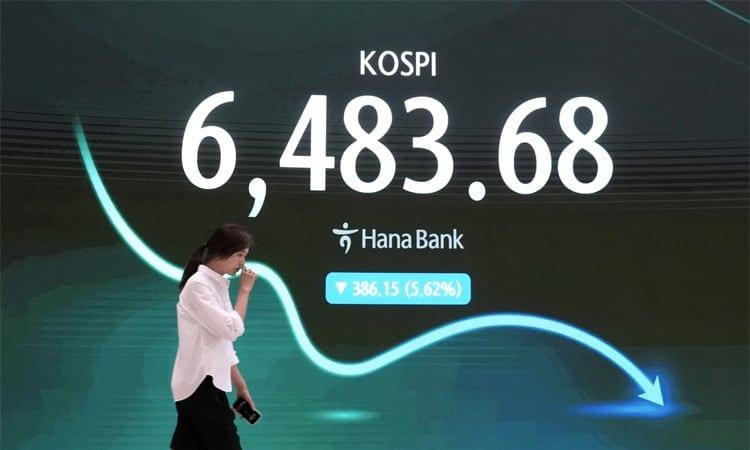
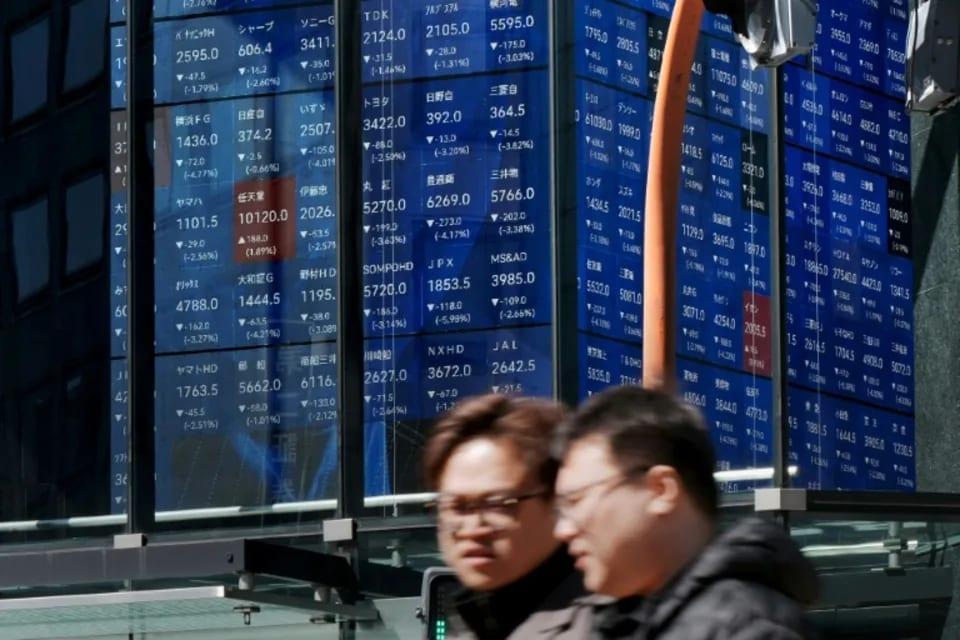
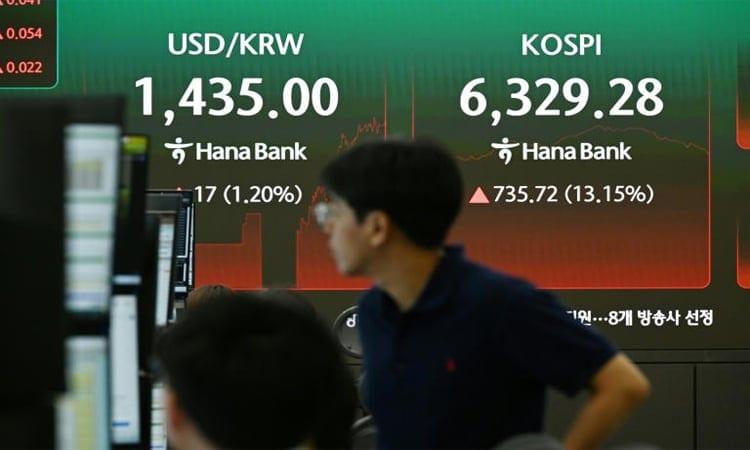
The easing cost of US borrowing and the prospect of more Middle East talks provided a much-needed boost to equities. Markets in Tokyo, Hong Kong, Shanghai, Sydney, Seoul, Wellington, and Taipei all rose, though Singapore and Manila fell. However, analysts noted that the simmering US-Canada trade row was causing some uncertainty.
The big event on the agenda this week is Nvidia's second-quarter earnings on Wednesday. The chipmaking giant has become a key marker of the reporting season as investors use it to judge the health of the AI boom that has sent markets to record highs over the past two years. Axel Rudolph, a market analyst at IG, said, 'Several analysts argue that the second-quarter number itself may end up mattering less than what management says about the quarter ahead.'
Wednesday also sees the release of US personal consumption expenditure data, the Federal Reserve's favoured gauge of inflation that could play a role in policymakers' decision-making with regard to interest rates. A soft reading could temper hike worries but an outsized figure would likely ramp up bets on an increase in borrowing costs.
For Bangladesh, the easing of Middle East tensions and the subsequent drop in oil prices could have a positive impact on the economy. Lower oil prices can reduce import costs and help stabilize inflation, which is crucial for a country heavily reliant on oil imports. Additionally, a more stable global economic environment can enhance investor confidence and attract foreign investments.