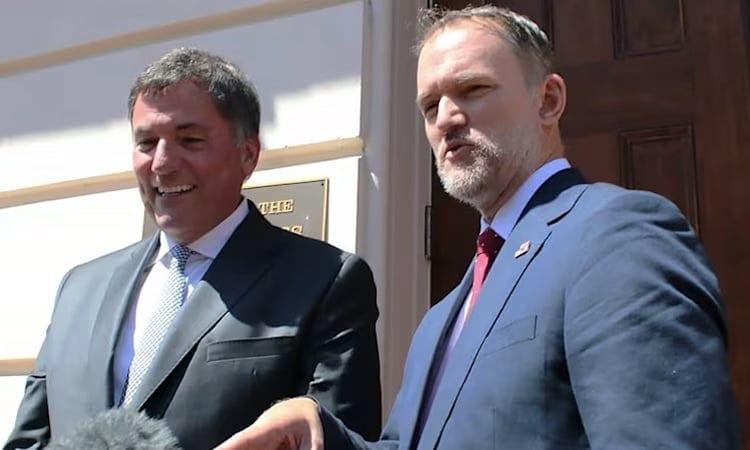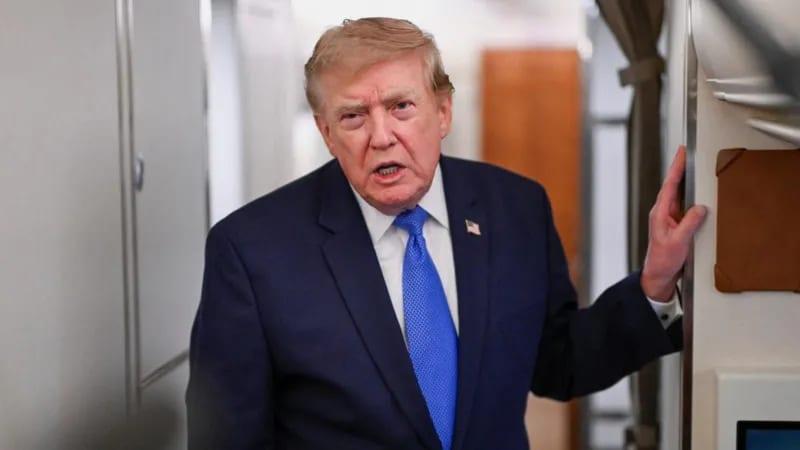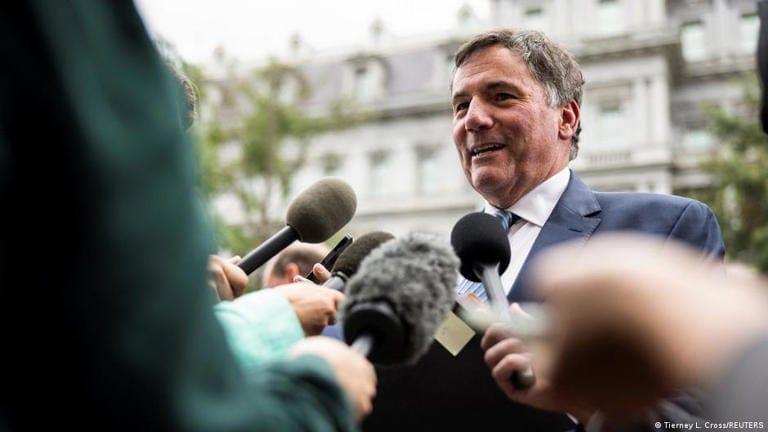
Top Canadian negotiator Dominic LeBlanc announced late Friday that negotiations for a US trade deal are ongoing, with steep new tariffs looming. With just hours left until a midnight deadline, LeBlanc stated, 'We have more work to do. We're going to continue working up until the last minute. Our job is not finished.' This comes as US President Donald Trump threatened to impose new 50-percent duties on a range of Canadian products by Wednesday, but issued a last-minute delay citing major progress in talks.
Background and Context
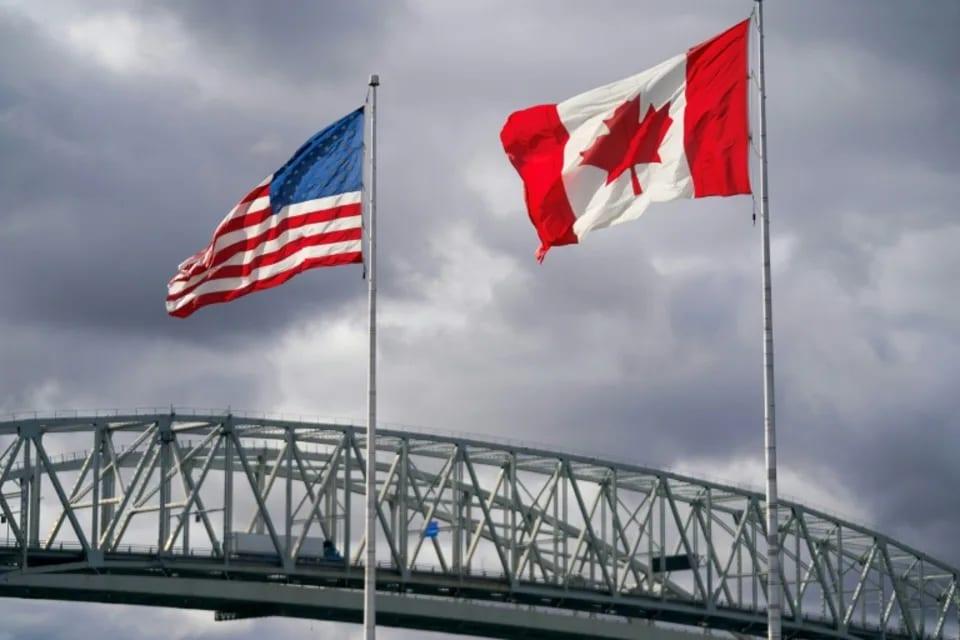
The ongoing trade negotiations between Canada and the United States have been fraught with tension for months. US President Donald Trump’s administration has imposed tariffs on Canadian autos, steel, and aluminum, significantly impacting Canada’s economy and leading to job losses. These tariffs have strained the historically robust trade relationship between the two nations. Canada is seeking relief from these tariffs, aiming to reduce their impact on its economy.
The proposed agreement aims to address various contentious issues, with reports indicating that US tariffs may be reduced in certain areas but not entirely removed. This has led to mixed reactions from Canadian provincial leaders. Saskatchewan's conservative Premier Scott Moe acknowledged that there is no going back to the pre-Trump'status quo.' Meanwhile, Canada's opposition Conservative Party criticized the potential deal, with leader Pierre Poilievre arguing that one-sided tariffs on Canadian industry would be detrimental.
Impact and Reactions
The potential deal has significant implications for Canada's economy and its trade relationship with the United States. Prime Minister Mark Carney has emphasized the need for Canada to diversify and reduce its reliance on the US, which currently accounts for roughly 70 percent of Canadian exports. The removal of US alcohol and wine from Canadian liquor stores as a retaliatory measure has particularly irritated the United States, leading Carney to request the provinces to restock US booze. However, some provincial leaders have expressed hesitance, indicating the complexity of the negotiations.
Trade lawyer Ryan Majerus at King & Spalding noted that Washington's apparent willingness to reduce sector-specific tariffs 'dramatically increases the potential of a deal.' He added that both sides seem to want an off-ramp, though Ottawa is under tremendous pressure to get tariffs removed entirely. The public's reaction to the outcome remains uncertain, highlighting the stakes involved in these negotiations.
Beyond the immediate negotiations, the United States and Canada must also agree on revisions to the North American Free Trade Agreement (USMCA), which Trump declined to renew last month. This adds another layer of complexity to the already challenging trade discussions. The outcome of these negotiations will have long-lasting effects on the economic and political landscape of both nations.