New US tariffs on Canadian exports took effect on Saturday, after days of intense negotiations between Washington and Ottawa failed to produce a final trade agreement. The new 50-percent duties impact around $20 billion of Canadian exports to the United States. Canadian Prime Minister Mark Carney vowed to match the US tariffs 'dollar for dollar to protect our workers and businesses', following the breakdown of talks.
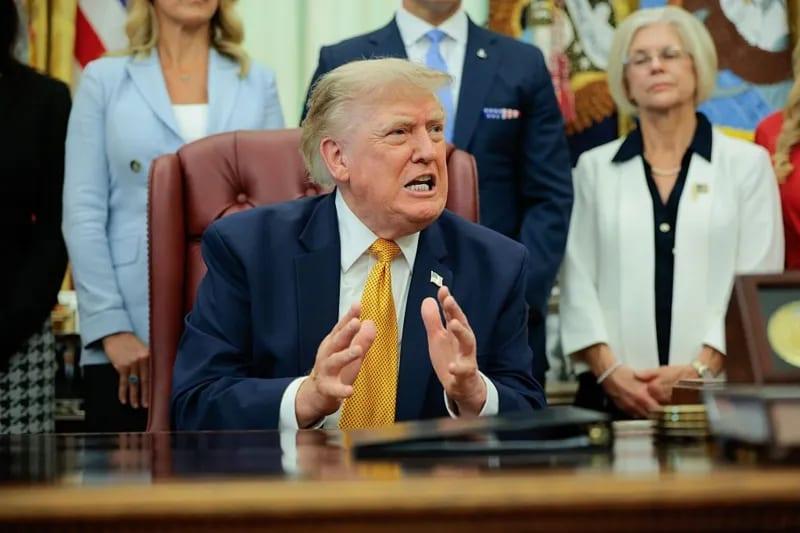
US Trade Representative Jamieson Greer stated that Canada declined to finalize the trade deal under the agreed terms earlier this week, despite Washington's offers for tariff reductions in sectors like steel and aluminum. The surprise announcement came after President Trump expressed optimism about reaching a deal with Canada, citing his 'good relationship' with Prime Minister Carney.
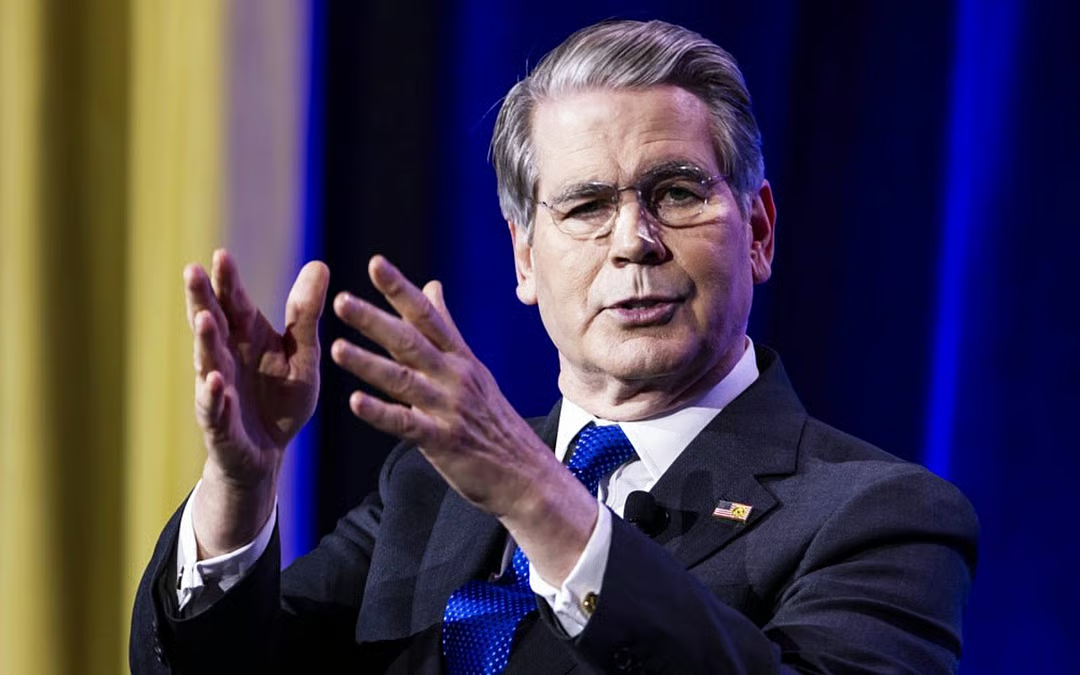
After hours of trade talks on Friday, Canada's top negotiator Dominic LeBlanc indicated that more work needed to be done. Greer noted that the Trump administration had proposed significant tariff reductions on steel, aluminum, autos, and lumber in exchange for Canadian concessions. However, Carney criticized last-minute changes in the US proposed terms as 'unfair, uneconomic, and called into question the reliability of any deal'.
The imposition of tariffs has strained the once iron-clad trade relationship between the United States and Canada. Canada has been seeking relief from Trump's tariffs on autos, steel, and aluminum, which have negatively impacted the country's economy and led to job losses. Carney has emphasized the need for Canada to diversify and reduce its reliance on the US, which currently accounts for roughly 70 percent of Canadian exports.
Beyond the ongoing negotiations, the United States and Canada still need to agree on revisions to the North American Free Trade Agreement (USMCA), which President Trump declined to renew last month. The failure to reach a trade pact and the ongoing tariffs highlight the challenges in maintaining a balanced and mutually beneficial trade relationship between the two nations.
For Bangladesh, the developments in US-Canada trade relations underscore the importance of diversifying export markets and negotiating favorable trade terms. As a country heavily reliant on exports, understanding the dynamics of international trade agreements and the impact of tariffs is crucial for economic stability and growth.