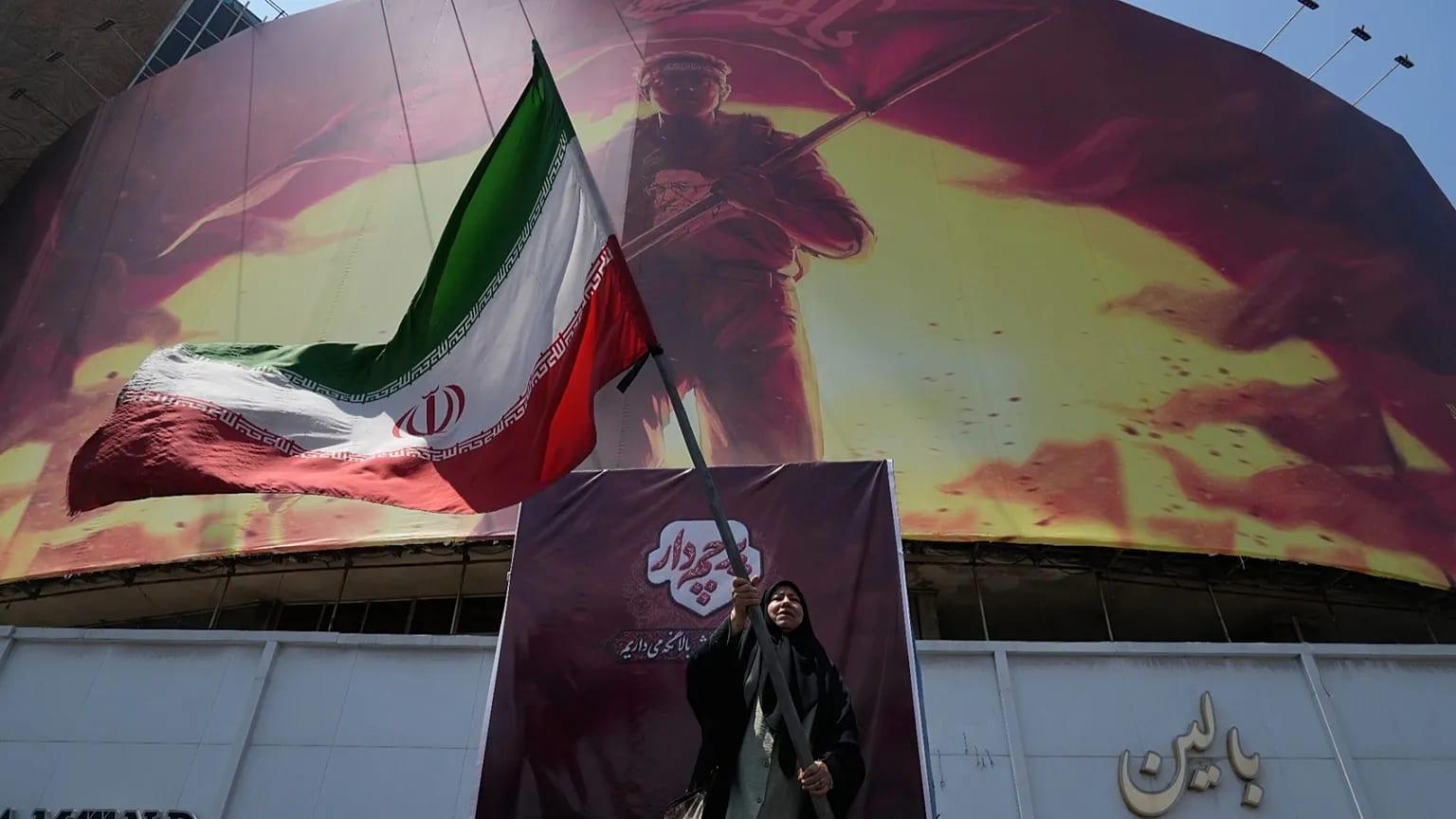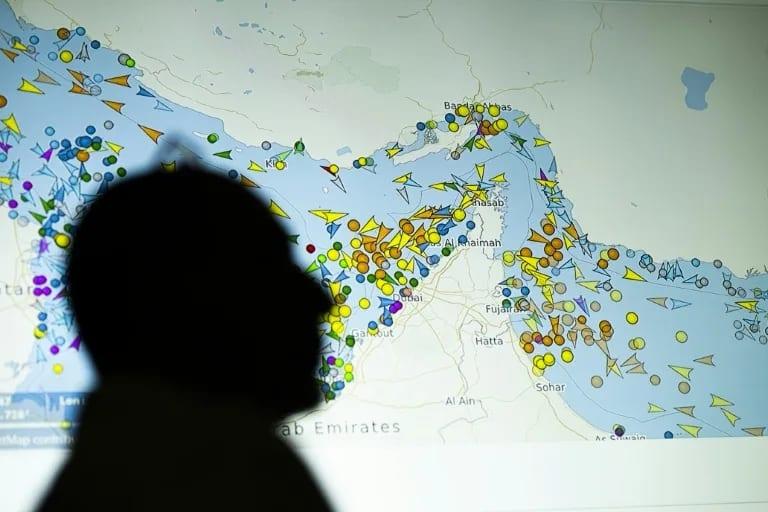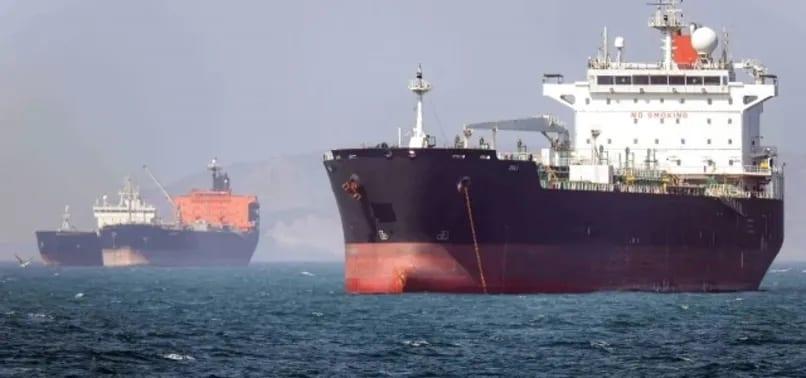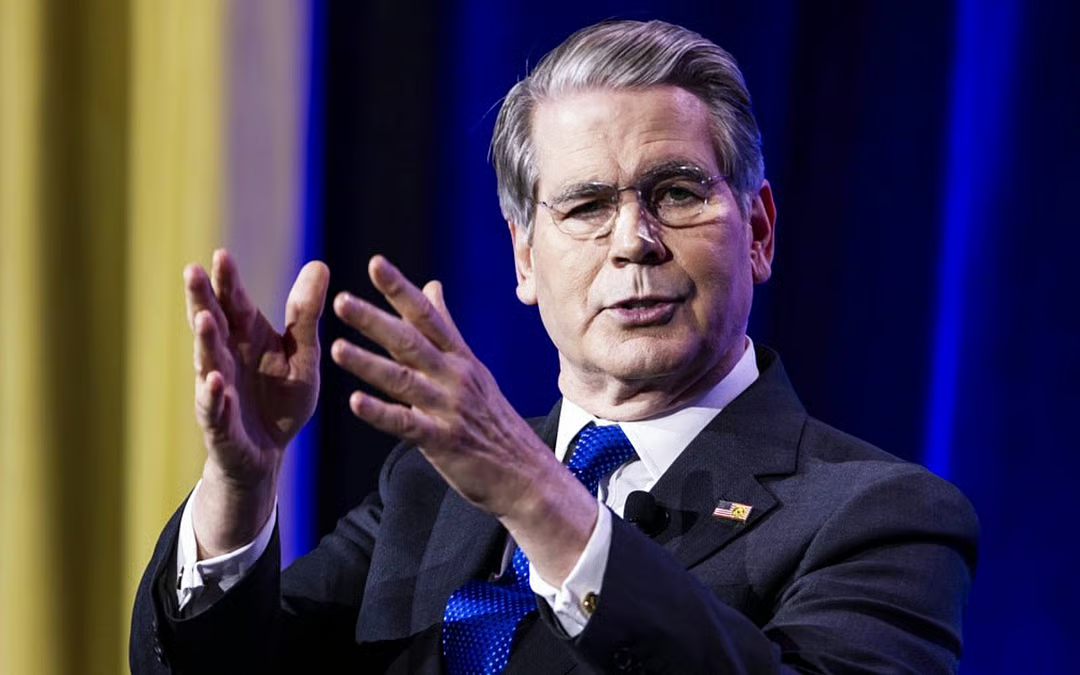
The United States has escalated its economic strategy against Iran, threatening to impose a level of isolation unprecedented in modern history. Treasury Secretary Scott Bessent announced new measures expected next week, emphasizing a dual approach combining financial pressure with a blockade of Iranian ports, particularly in the Strait of Hormuz.
Economic Isolation and Blockade
Bessent, speaking to conservative television network Newsmax, outlined the new approach, which aims to prevent any goods from entering or leaving Iran. 'It will be a combination of economic isolation, like the world has never seen before,' Bessent stated, highlighting the severity of the measures. The blockade will reportedly prevent movement in and out of Iranian ports, a critical route for the country's oil exports.
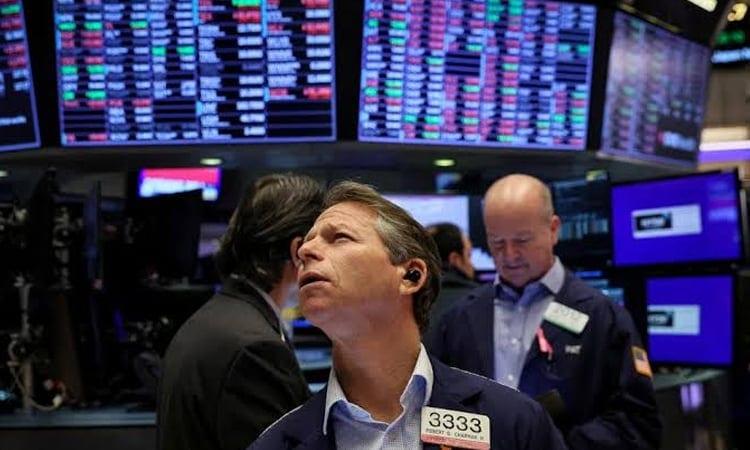
This tougher stance represents a shift from Bessent's earlier comments on August 4, where he suggested an agreement to reopen the Strait of Hormuz could be reached within days. Those remarks led to a rise in Wall Street and a drop in oil prices, indicating the significant impact of the US economic strategy on global markets.
Shift in US Priorities
Vice President JD Vance clarified the US priorities in its conflict with Iran, stating that the primary goal is to reduce oil and gasoline prices for American consumers. Preventing Iran from acquiring a nuclear weapon has been downgraded to a secondary priority. This shift underscores the economic motivations behind the new sanctions.
The new measures are part of a broader strategy to counter Iran's influence in the region and its economic activities, particularly oil exports. The US aims to exert maximum pressure on Iran to force compliance with international norms and curb its nuclear ambitions.