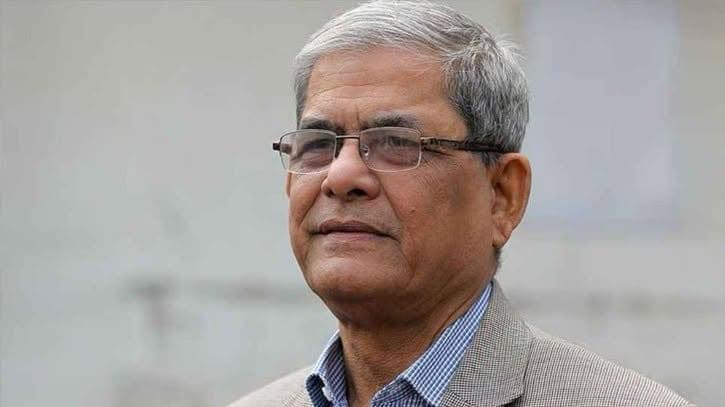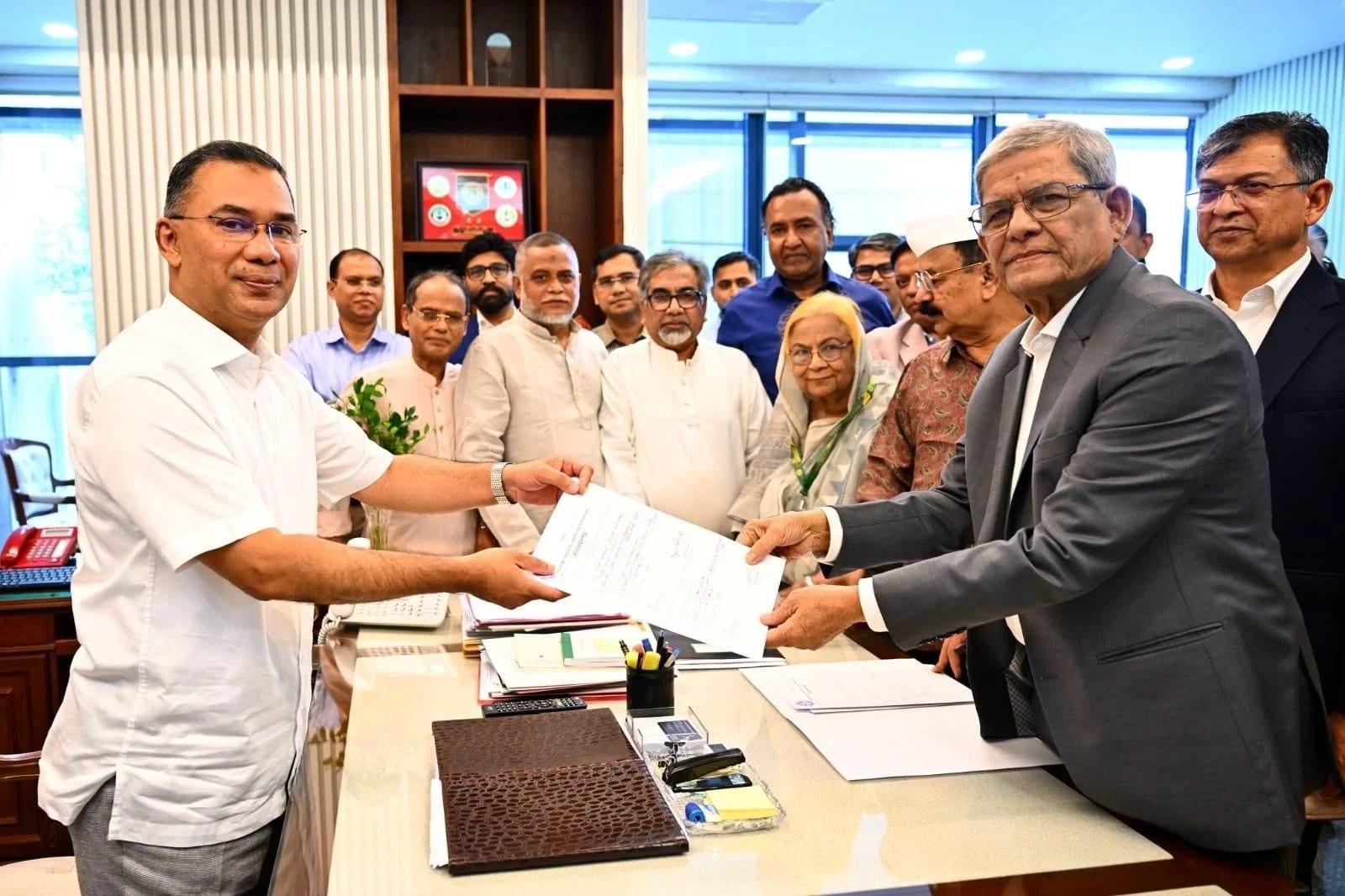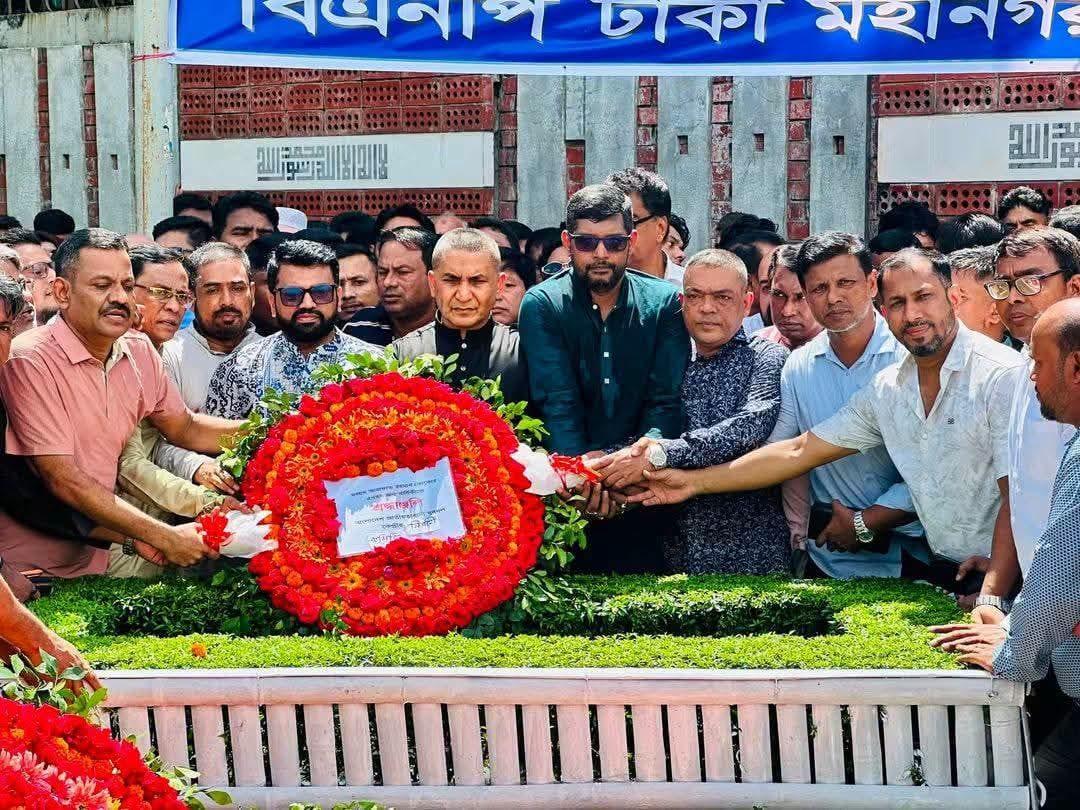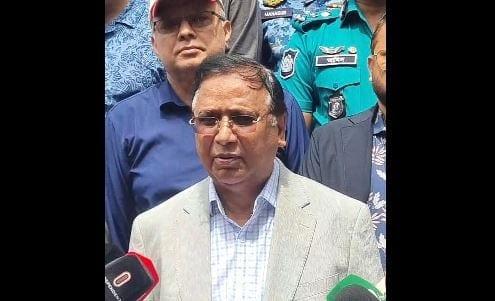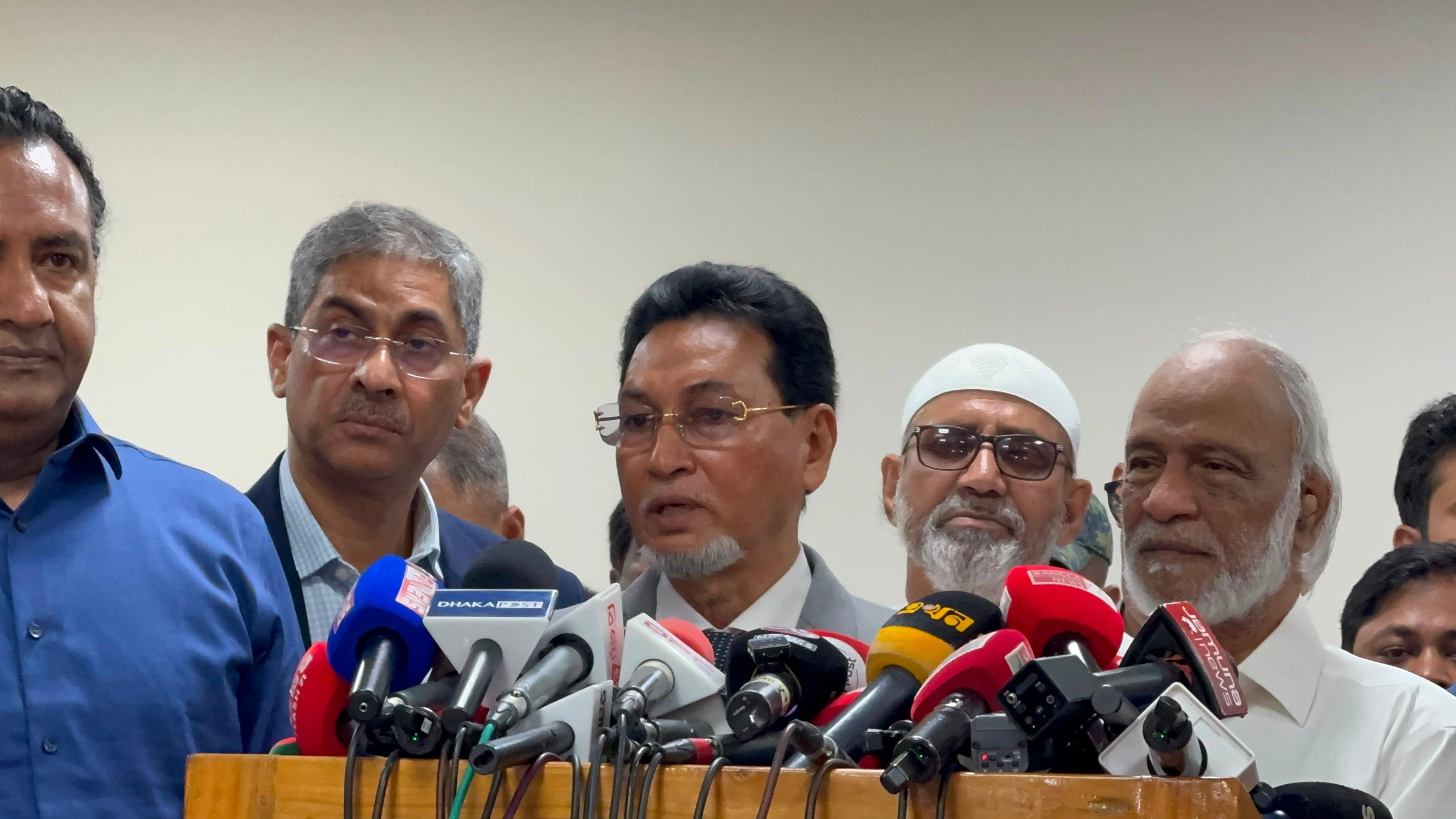
In a significant statement, Chief Whip of the Jatiya Sangsad, Nurul Islam Moni, clarified that any amendments to the Constitution will be made after taking into account the opinions of all stakeholders. Moni made these remarks on August 13, 2026, during a visit to the Election Commission Bhaban in Agargaon, Dhaka, to submit the nomination paper for BNP Secretary General Mirza Fakhrul Islam Alamgir for the Presidential Election.
Inclusive Process in Constitutional Amendments
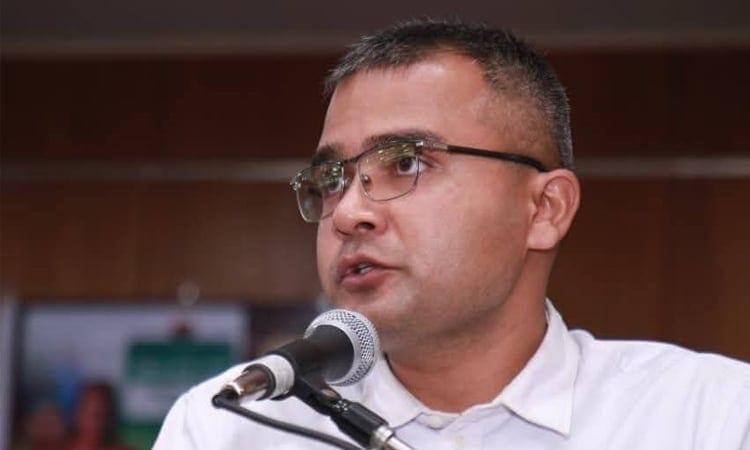
Moni stressed that the process of amending the Constitution is a long-term endeavor, stating, 'A constitution is not changed for one day. It will be changed for many years. We will not rewrite the constitution. Even if we change a comma, that will be constitutional reform.' He assured that the BNP had invited everyone to participate in the amendment process and hoped that all stakeholders would come together to complete the task.
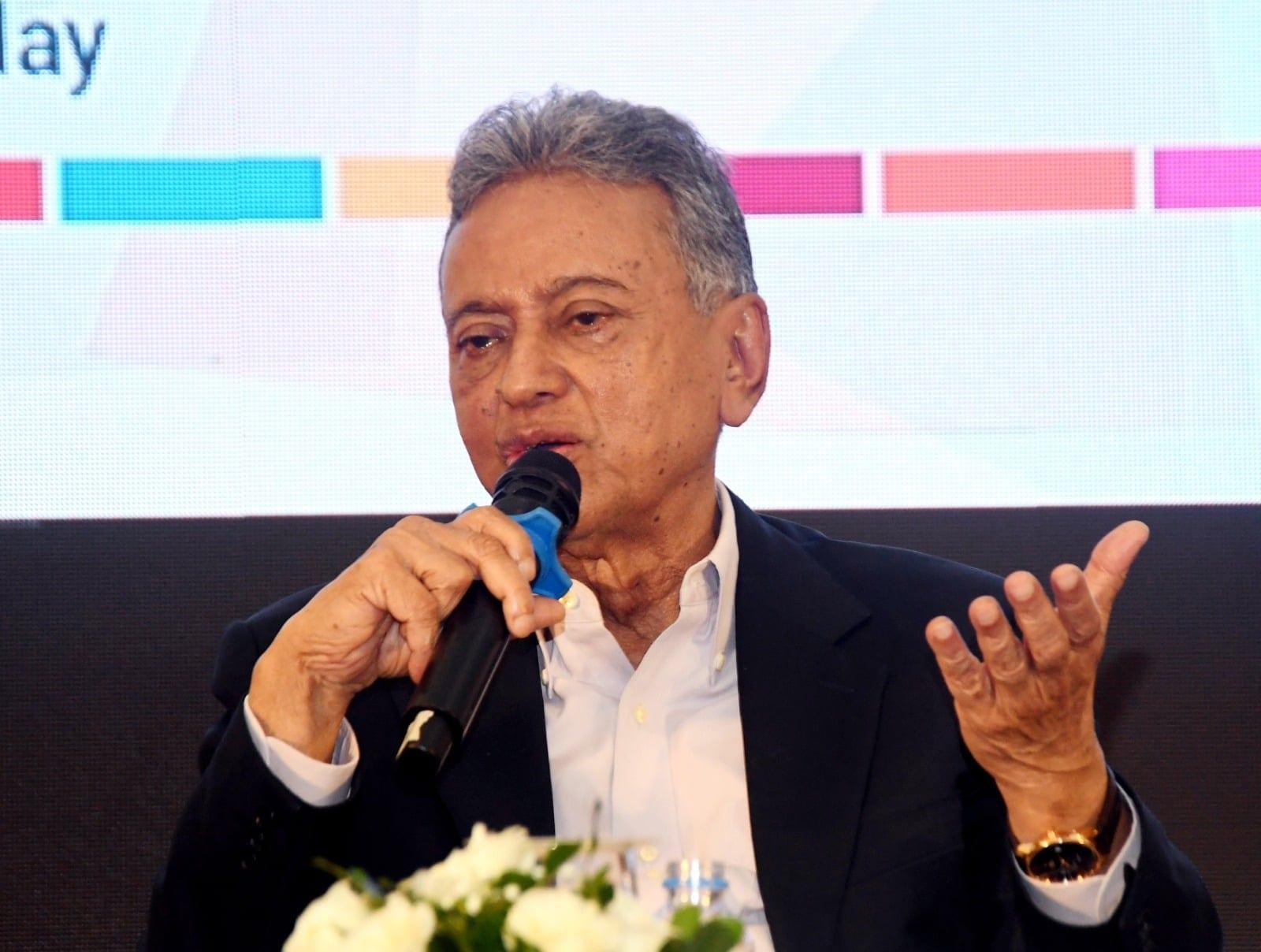
Gayeshwar Chandra Roy, a BNP Standing Committee member, noted that the referendum on the constitutional amendments was separate from the presidential election. He explained that the referendum's outcome would be reflected in Parliament over time, while the presidential election would proceed independently.
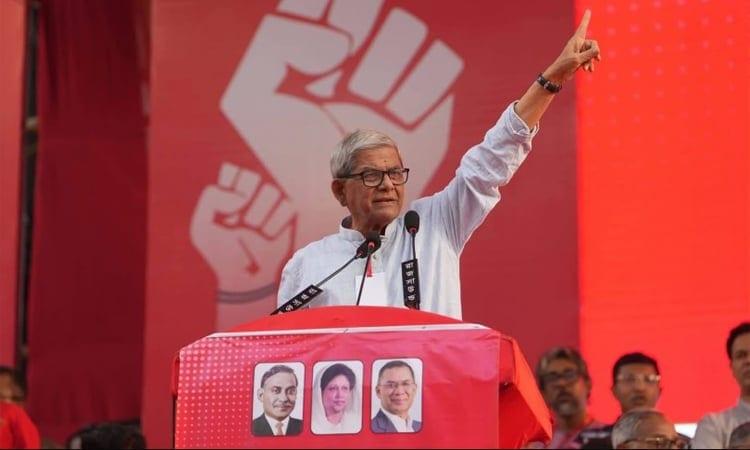
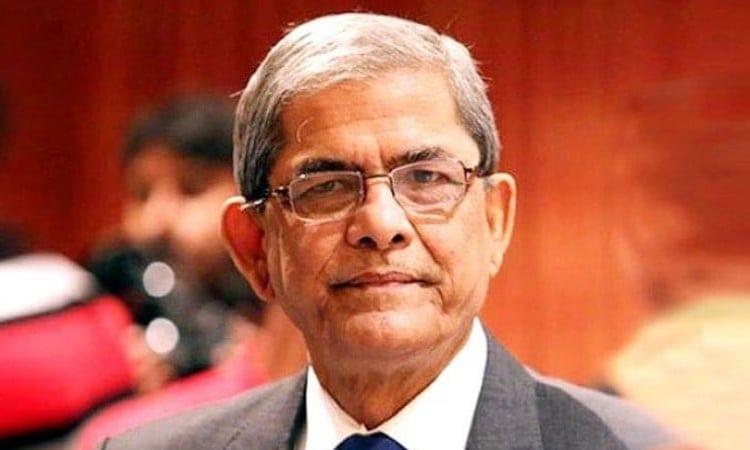
Moni announced that Mirza Fakhrul had been nominated by the BNP-led alliance for the position of President and expressed confidence that he would be elected on August 20. He highlighted the essence of democracy in competition and elections, recalling the BNP's formation of parliament through a neutral election after a 17-year movement.
Context and Significance
The announcement of constitutional amendments comes at a critical time for Bangladesh's political landscape. The Chief Whip's commitment to an inclusive process aims to ensure that the revised charter reflects the diverse opinions and needs of the nation's populace. This move is expected to foster greater national unity and stability as the country progresses.
The BNP's nomination of Mirza Fakhrul Islam Alamgir for the presidential election underscores the party's strategic focus on leadership and governance. By aligning the referendum with parliamentary phases, the BNP seeks to balance national policy changes with electoral processes, ensuring that both the executive and legislative branches work in harmony.
The broader political context highlights the BNP's dedication to democratic principles, as evidenced by their past movements and recent electoral victories. The inclusive approach to constitutional amendments reflects a broader trend towards participatory governance, aiming to address the concerns of various political and social groups.