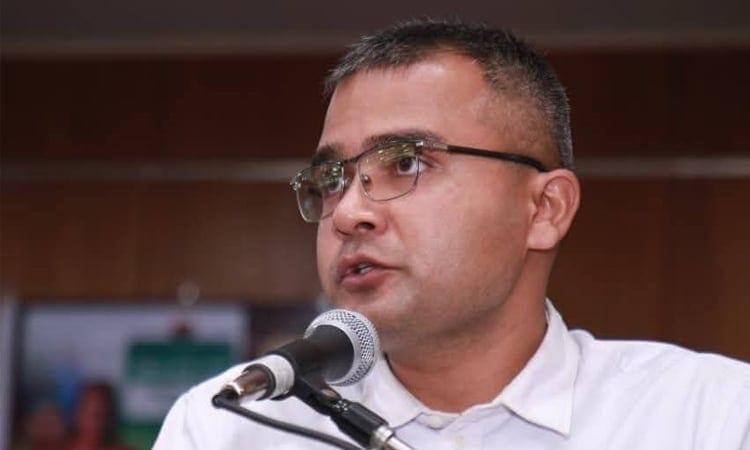
Wasim Ahmed Anik, Member Secretary of the Jahangirnagar University unit of Jatiyatabadi Chhatra Dal (JCD), has asserted that the July Uprising of 2024 should be viewed as a collective achievement of people from various sections of society, rather than the property of any single group. In an interview, Anik highlighted that the movement initially emerged as a student-led initiative before expanding to include broader societal participation. He stressed that no individual or organization should claim exclusive ownership of the movement, emphasizing its significance in the collective fight against injustice.
Anik recounted JCD's role in the uprising, stating that the party's central leadership instructed activists to support students' legitimate demands without attempting to take control of the movement. 'We never tried to take leadership of the movement. We worked to provide whatever support was necessary while allowing general students to lead,' he said. Anik and fellow activists were involved in coordination, logistics, and communication, helping to bring students from outside Jahangirnagar University to the demonstrations.
Recalling the challenges faced during the uprising, Anik described facing tear gas and gunfire in several locations in Savar, including Radio Colony, the bus stand, and Shimultala. He mentioned the death of Abdul Kaiyum, a student of Comilla University, as one of the most painful moments of the uprising. 'I had been at the place only a few minutes earlier. I could have been among the victims,' he said.
Anik credited teachers and journalists with playing crucial roles during the movement. While teachers provided moral support to students, journalists continued reporting despite facing risks. Regarding the university administration, Anik alleged that it failed to adequately protect students during the crisis but stressed that any accountability process should be based on impartial investigation and evidence.
Reflecting on his political journey, Anik said his interest in nationalist politics began during his school years. The political philosophy of Shaheed President Ziaur Rahman and former Prime Minister Khaleda Zia's political career influenced his outlook. He urged young political activists to remain cautious and avoid impulsive decisions, advising them to place the interests of their organization and the country above personal ambition. Anik reiterated his hope for a Bangladesh founded on democracy, rule of law, accountability, and institutional reform, saying the lessons of the July Uprising should be reflected in the country's future political and institutional development.