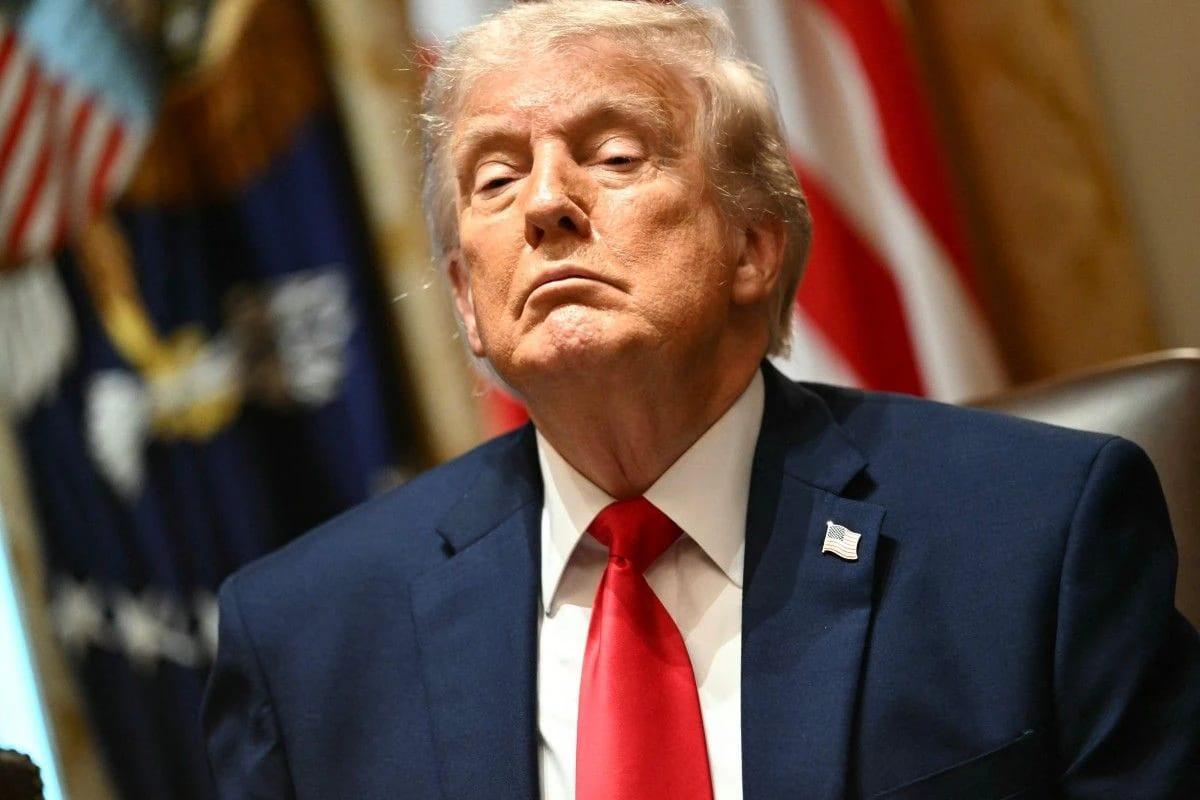
President Donald Trump has shifted his strategy in the ongoing conflict with Iran, opting for economic pressure over military action. Trump, known for his aggressive rhetoric, has recently emphasized the economic strain on Iran due to sanctions. 'We are low-keying it,' Trump told Axios, indicating a semi-negotiating stance while monitoring Iran's economic struggles.
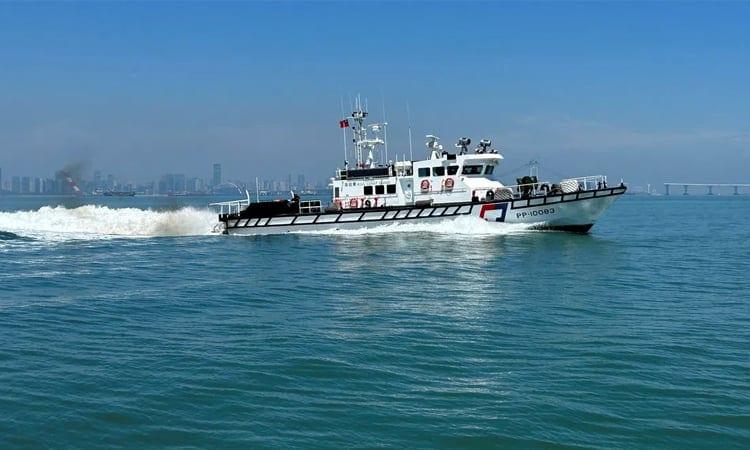
Trump claims Iran is experiencing over 300 percent inflation and is financially unable to pay its soldiers. He asserts that the U.S. maintains 'total control' over the Strait of Hormuz, a critical oil trade route. However, Iran is countering by locking down the strait while the U.S. imposes its own blockade on Iranian ports.
Michael O'Hanlon from the Brookings Institution notes that Iran's economy is in dire straits, unable to export oil meaningfully or access overseas assets. Despite this, Iran's foreign ministry spokesman, Esmaeil Baqaei, views the new sanctions as a 'retreat' by Washington, arguing that the U.S. turns to sanctions when diplomacy fails.
Trump's advisors have presented him with data on the impact of sanctions, prompting consideration of tightening existing measures or imposing new ones. This tactical shift may reflect limited military options due to depleted U.S. munitions stockpiles. The question remains whether Trump, known for his preference for combat sports and flashy deals, can sustain this long-term economic strategy.
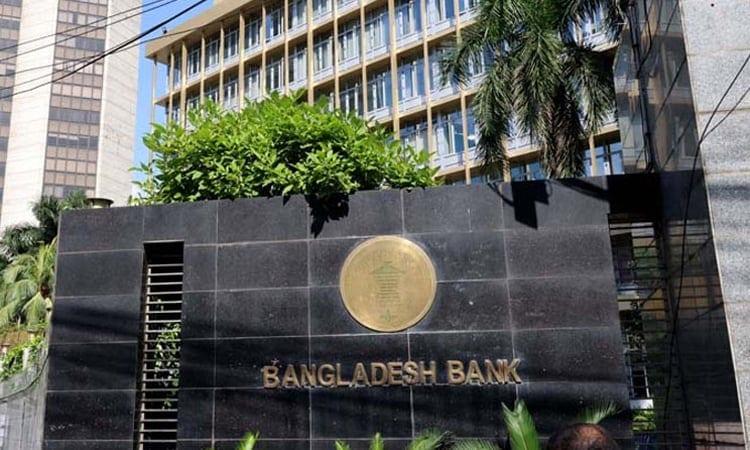
The conflict's implications extend globally, including for countries like Bangladesh, which relies on stable oil prices and secure trade routes. The economic and geopolitical dynamics at play underscore the importance of a stable international environment for all nations.