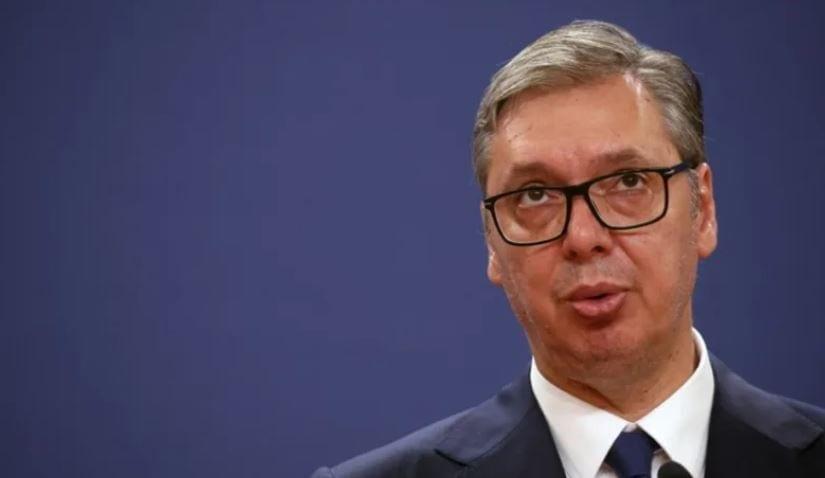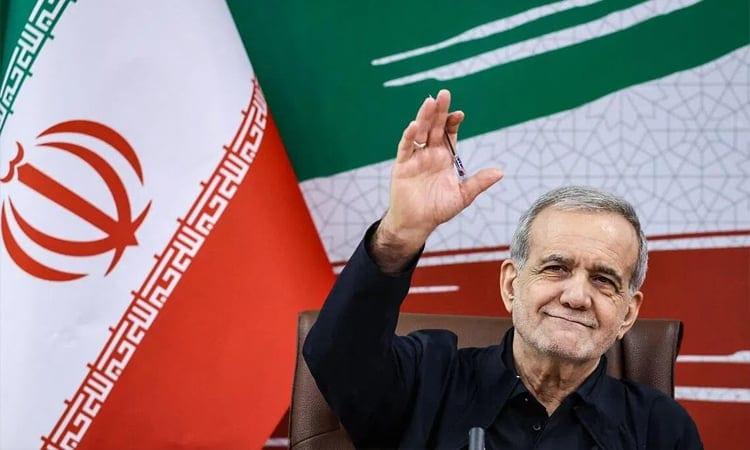
Iranian President Masoud Pezeshkian has called for an end to the months-long Middle East war with the United States, asserting that Tehran is in a position of strength. Speaking at a meeting with doctors, Pezeshkian emphasized the need to conclude the conflict while Iran holds an advantageous position. 'It is better that we bring the war to an end now as we are in a position of power and dignity,' he stated.
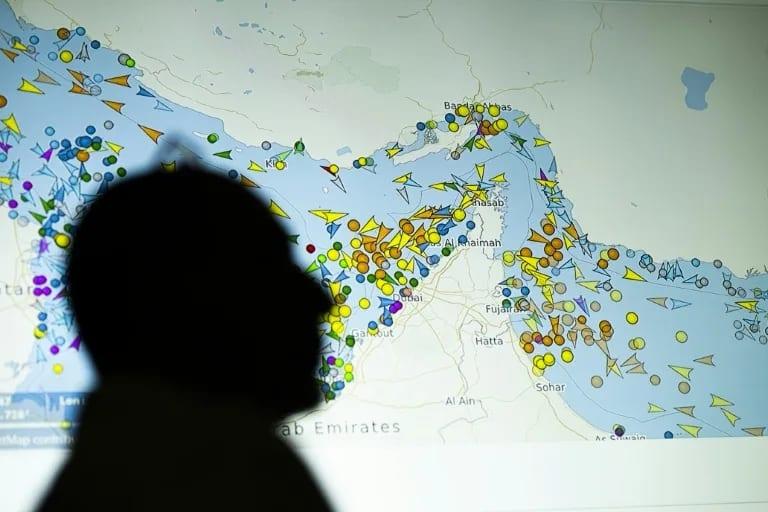
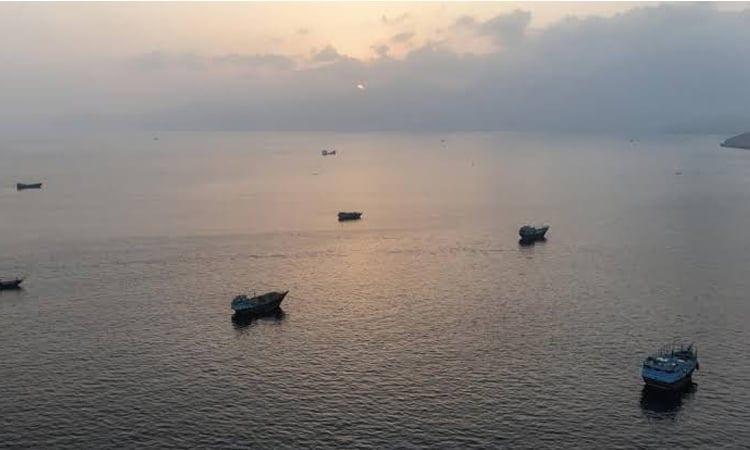
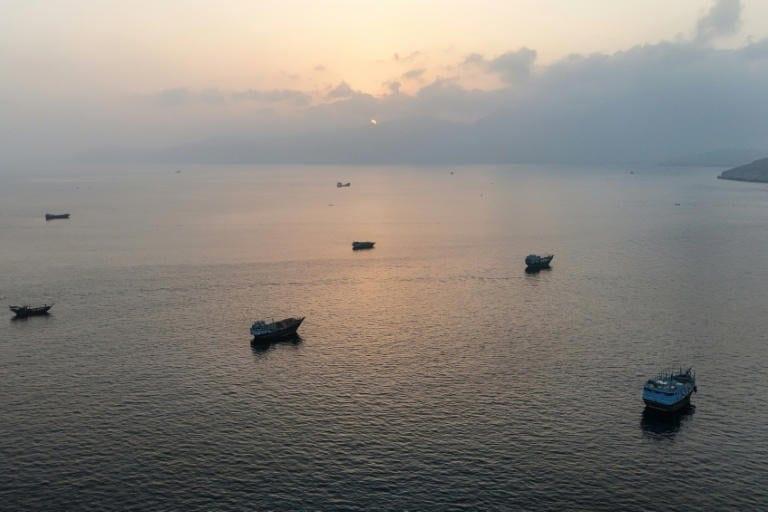
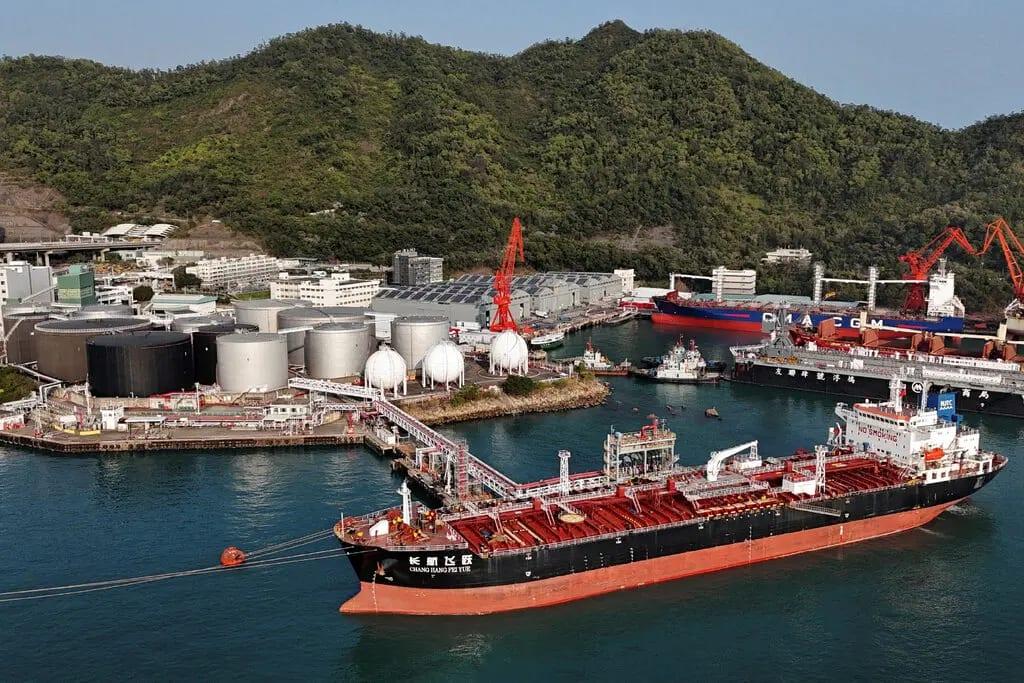
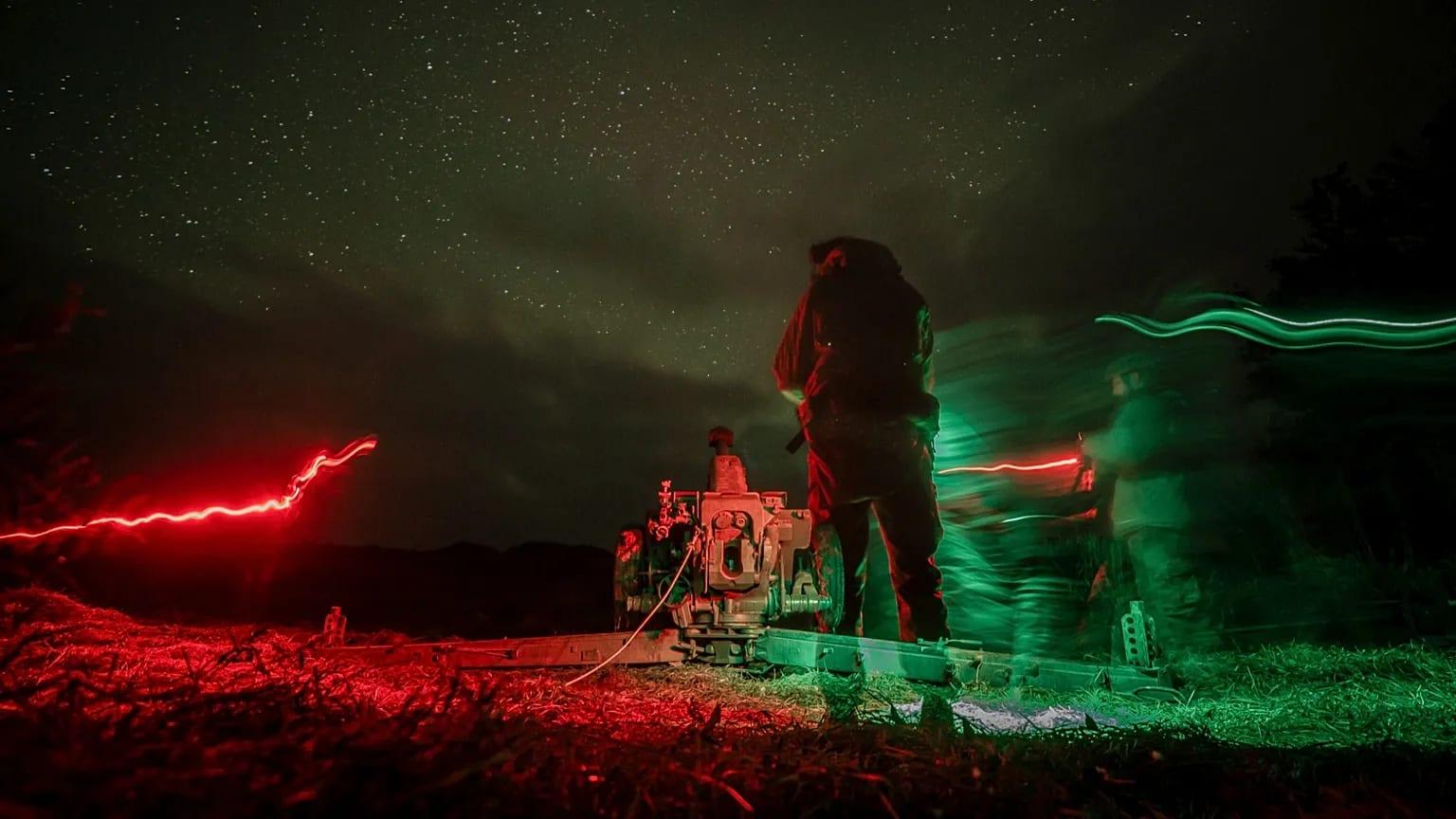
The war, which began in February and involves the United States and Israel, has reached a stalemate. Tehran has partially closed the Strait of Hormuz, a critical chokepoint for global oil shipments, while Washington maintains a naval counter-blockade. Despite the ongoing hostilities, Pezeshkian defended a memorandum of understanding agreed with the US in June, insisting it did not signify defeat for Iran. 'They cannot find even a single clause in this agreement that indicates capitulation. All the commitments concern the other side,' he explained.
His remarks follow criticism from hardline lawmakers in Iran's parliament, who accuse the government of making concessions to the US, particularly regarding the re-opening of the Strait of Hormuz. Reports suggest that the US Navy has been organizing secret convoys through the southern sector of the strait, allowing between five and ten million barrels of oil to be exported daily. In response to these developments, the US has announced plans to increase sanctions against Iran, a move condemned by Tehran as 'economic terrorism'.
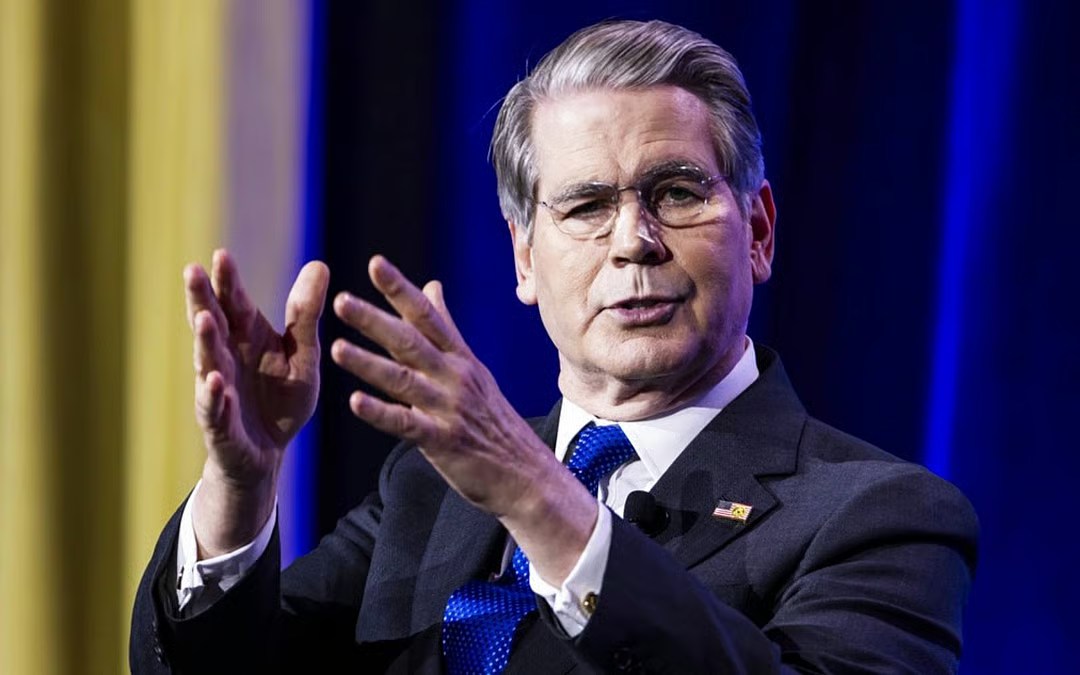
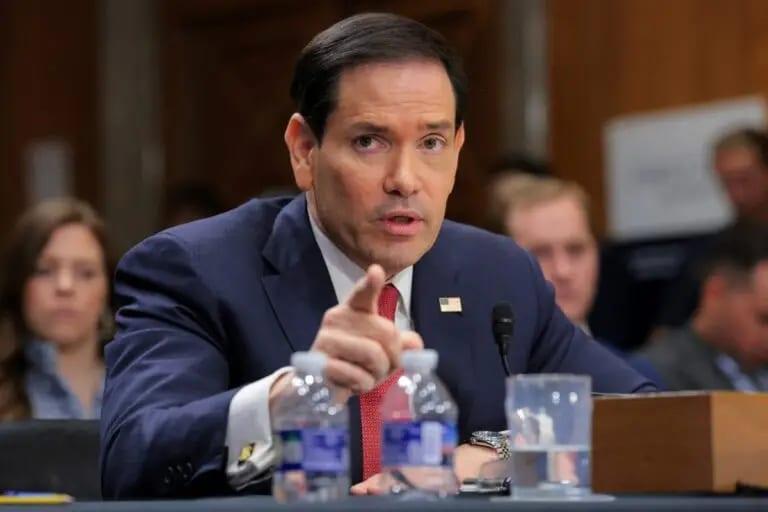
US Treasury Secretary Scott Bessent has vowed to 'collapse' the Iranian regime with the threatened sanctions campaign, signaling a shift from military to economic pressure. China has criticized the US's economic plan, urging all parties to resolve the issue through political and diplomatic means. As Chinese President Xi Jinping prepares to visit the White House on September 24, the topic of Iran is expected to be discussed, following similar talks during Trump's visit to Beijing in May.
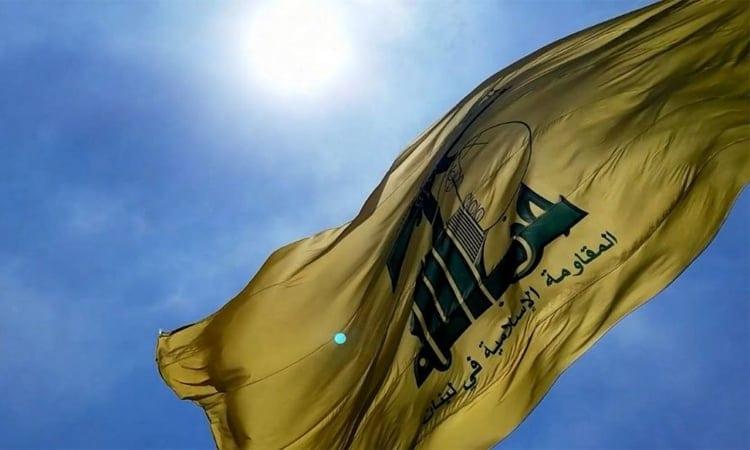
Despite the escalating economic pressure, other senior Iranian officials have dismissed the US plan. Foreign Minister Abbas Araghchi described the 'Economic D-Day' as a distraction from America's own financial crises. Additionally, the US imposed new sanctions on the Lebanese movement Hezbollah, accusing it of operating under the command of Iran's Islamic Revolutionary Guard Corps. Hezbollah vowed to continue its resistance against Israel, even in the face of increased sanctions.