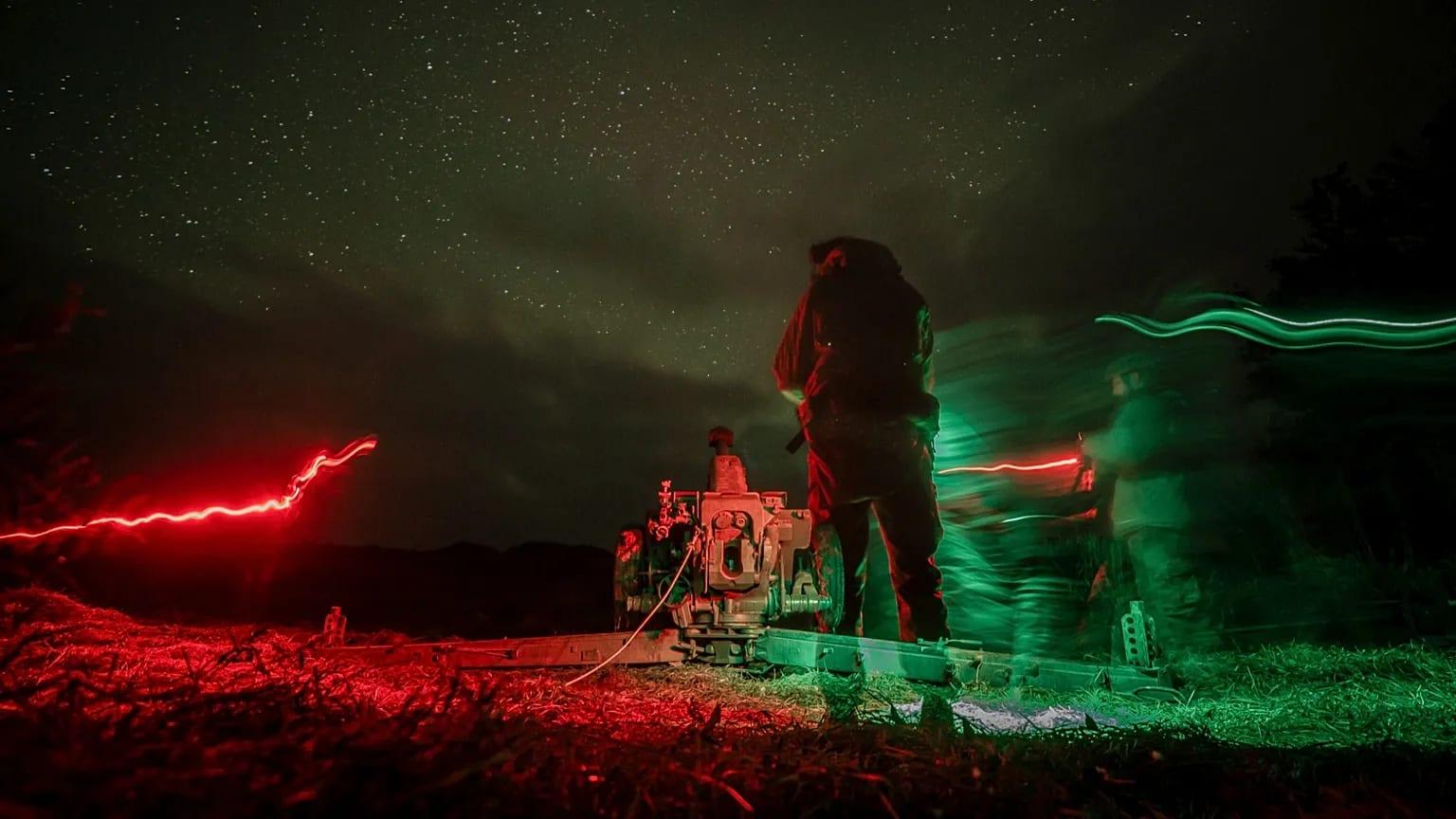
In a significant development, Australian authorities have charged a 27-year-old man with foreign interference for allegedly seeking to provide Russia with information about Ukrainian military activities. The man, a Russian-Australian dual citizen, is accused of undergoing 'military style' training in Russia before joining the Ukrainian armed forces. According to Australian Federal Police Commissioner Krissy Barrett, the suspect maintained contact with individuals believed to be linked to Russian intelligence after returning to Australia. He is alleged to have traveled to Ukraine in 2025, where he enlisted in the country's armed forces and gained access to sensitive military information. The suspect then attempted to provide this information to individuals he believed were acting on behalf of Russian intelligence services.
Commissioner Barrett emphasized the gravity of the situation, stating, 'We don't want Australia to become a safe haven for people who are undertaking foreign interference on behalf of other countries.' The crime of intentional foreign interference in Australia carries a severe penalty, with a maximum sentence of 20 years' imprisonment. This case underscores the growing concern over foreign interference and espionage, particularly in the context of ongoing international conflicts.
The suspect's alleged activities highlight the complex web of international relations and the potential risks posed by dual nationals engaging in espionage. His case is particularly notable given his background, having received military training in Russia before serving in the Ukrainian armed forces. This dual allegiance raises questions about loyalty and the potential for exploitation by foreign entities.
Australia has been increasingly vigilant about foreign interference, particularly from nations like Russia and China. The Australian government has implemented stringent measures to protect national security, including enhancing surveillance and tightening laws related to espionage and foreign influence. This case is a stark reminder of the need for continued vigilance and the importance of robust legal frameworks to combat foreign interference.
The international community is closely watching this case, as it reflects broader geopolitical tensions and the challenges of maintaining national security in an interconnected world. The outcome of this case could set a precedent for how Australia and other nations handle similar instances of alleged foreign interference in the future.