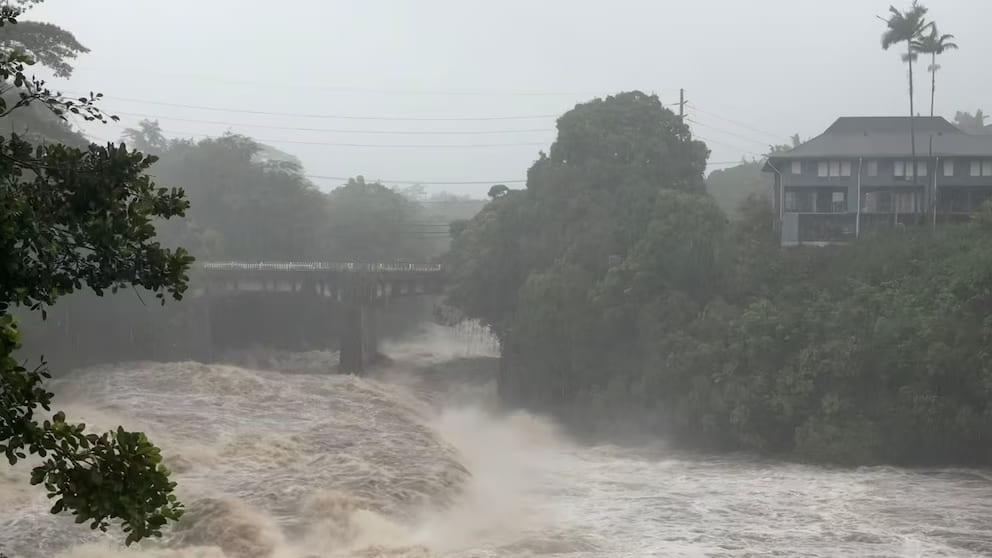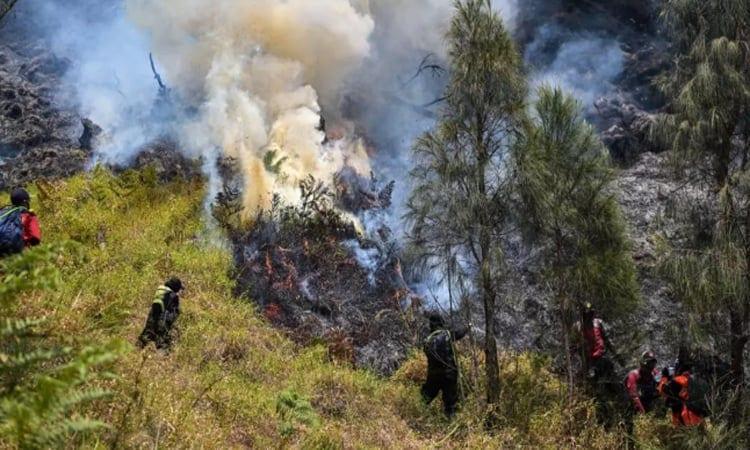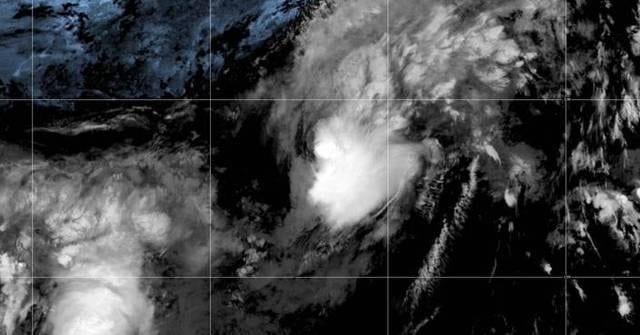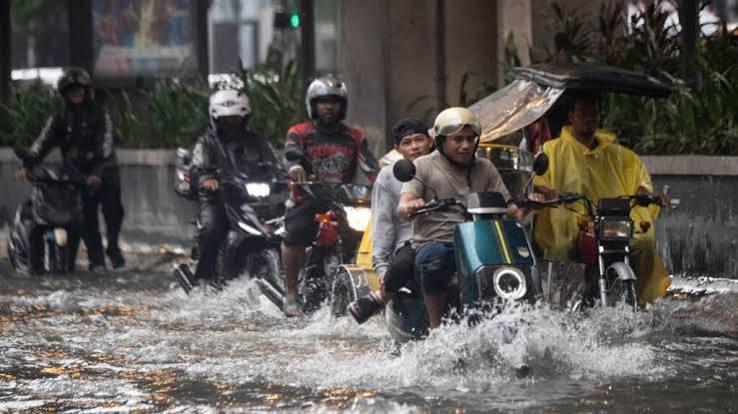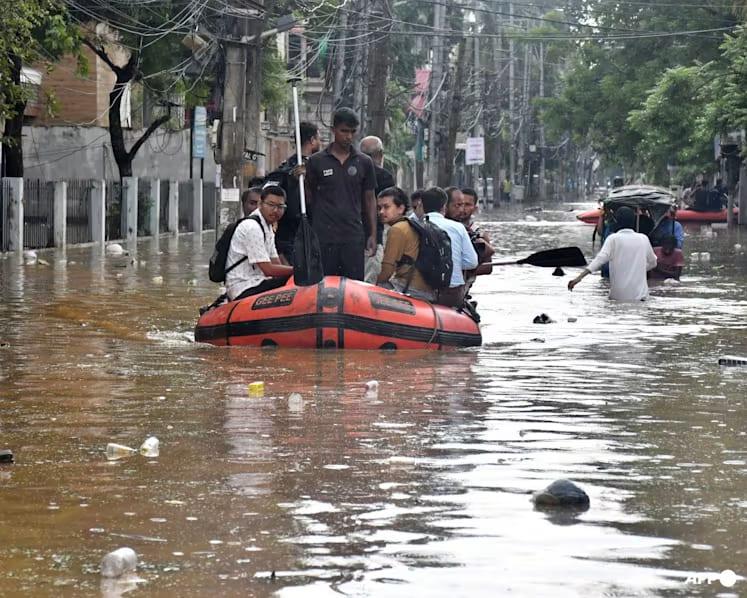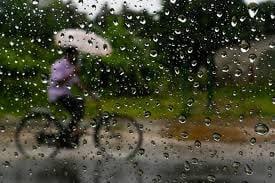
Sri Lanka is bracing for its 'worst' ever El Nino climate phenomenon, which is expected to bring heavy rains from September to December, followed by a severe drought early next year, Environment Minister Dhammika Patabendi announced on Thursday. The largely agricultural nation, where farming employs about a quarter of the workforce and is a key economic contributor, is preparing for the impending crisis.
El Nino, a natural climate variation that warms surface temperatures in the central and eastern equatorial Pacific Ocean, alters global wind and rain patterns. Human-caused climate change can exacerbate its impacts, as warmer oceans and atmospheres provide more energy and moisture for extreme weather events.
Weather experts have forecast that Sri Lanka's current dry conditions will transition to heavy rains from late September until December. However, these rains are expected to be followed by a prolonged drought from January to April next year. The government has established a ministerial panel to manage the fallout from this severe El Nino.
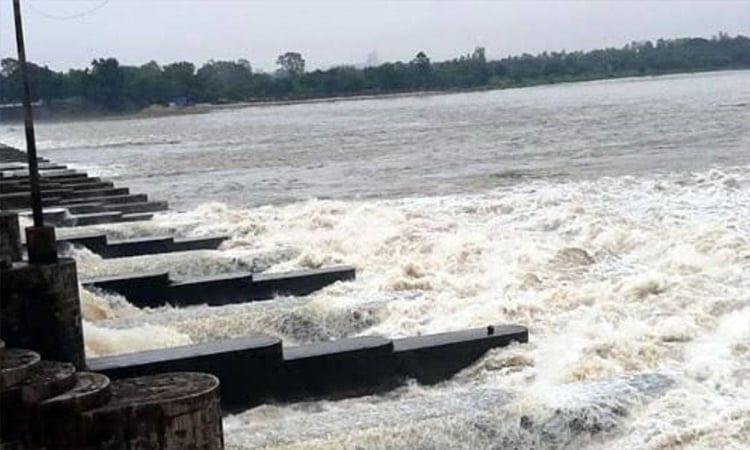
The forecasted weather patterns pose a significant threat to Sri Lanka. Authorities have urged rice farmers to begin the main planting season in early October, around two weeks ahead of schedule, to capitalize on the expected early rains. Water reservoirs, including those supplying hydroelectric power stations, are currently at 56 percent capacity, but concerns remain over water availability if drought conditions intensify next year.
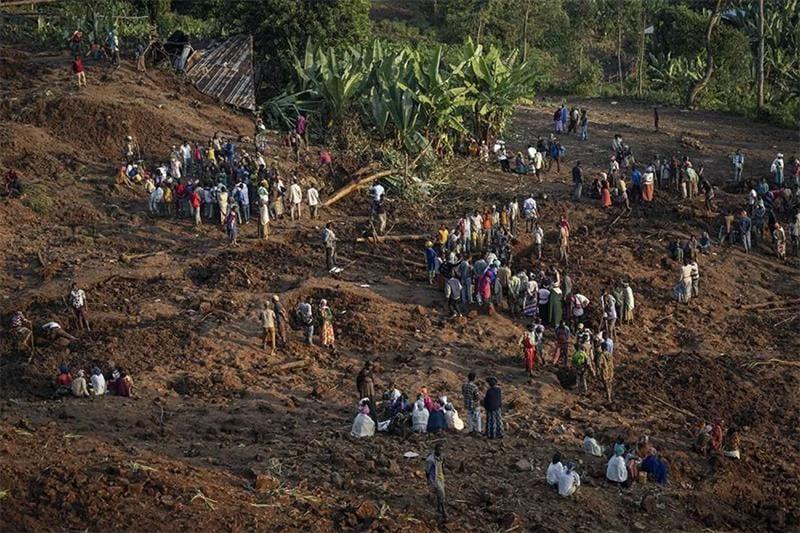
Intense rains between October and December could trigger mudslides in mountainous regions, which were severely impacted by Cyclone Ditwah in November. The cyclone claimed nearly 650 lives and caused an estimated $4.1 billion in infrastructure damage, according to the World Bank.
The government is also assessing the potential economic impact of the erratic weather as the country recovers from its 2022 financial crisis. Environment Minister Dhammika Patabendi emphasized the need for preparation to mitigate the crisis, stating, 'We are preparing to mitigate the impending crisis.'
For Bangladesh, which shares similar climatic challenges, the situation in Sri Lanka serves as a stark reminder of the need for robust climate adaptation strategies and preparedness for extreme weather events.