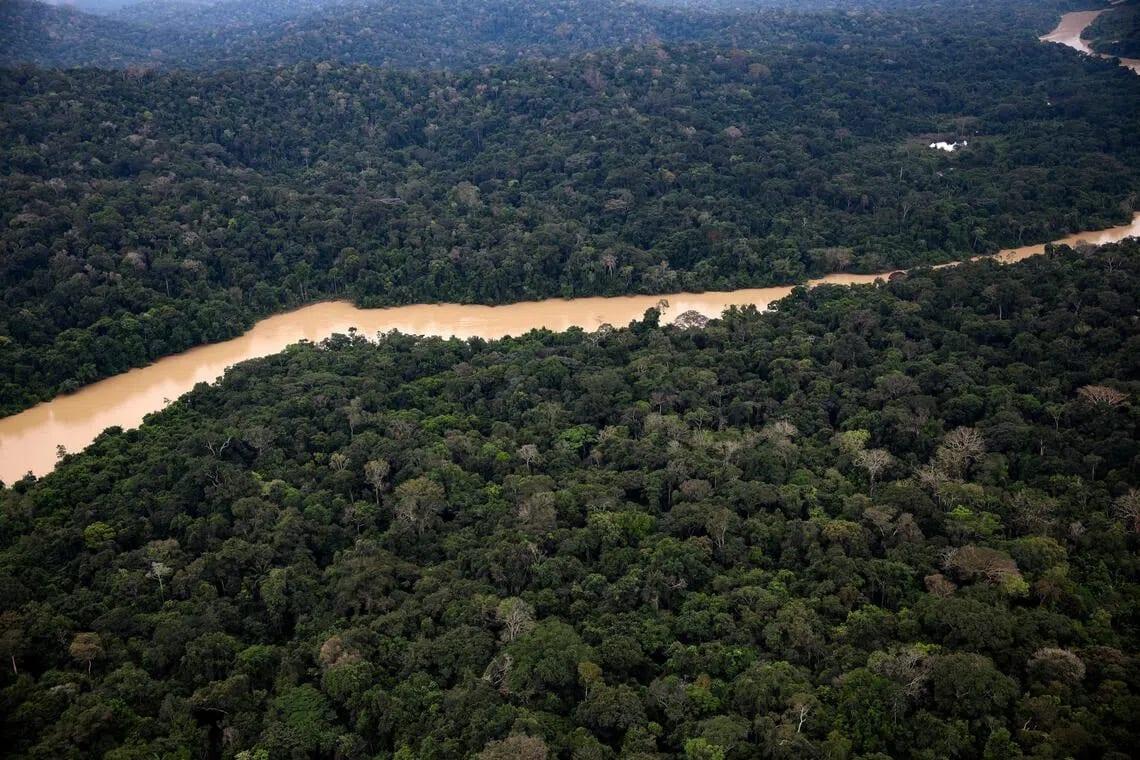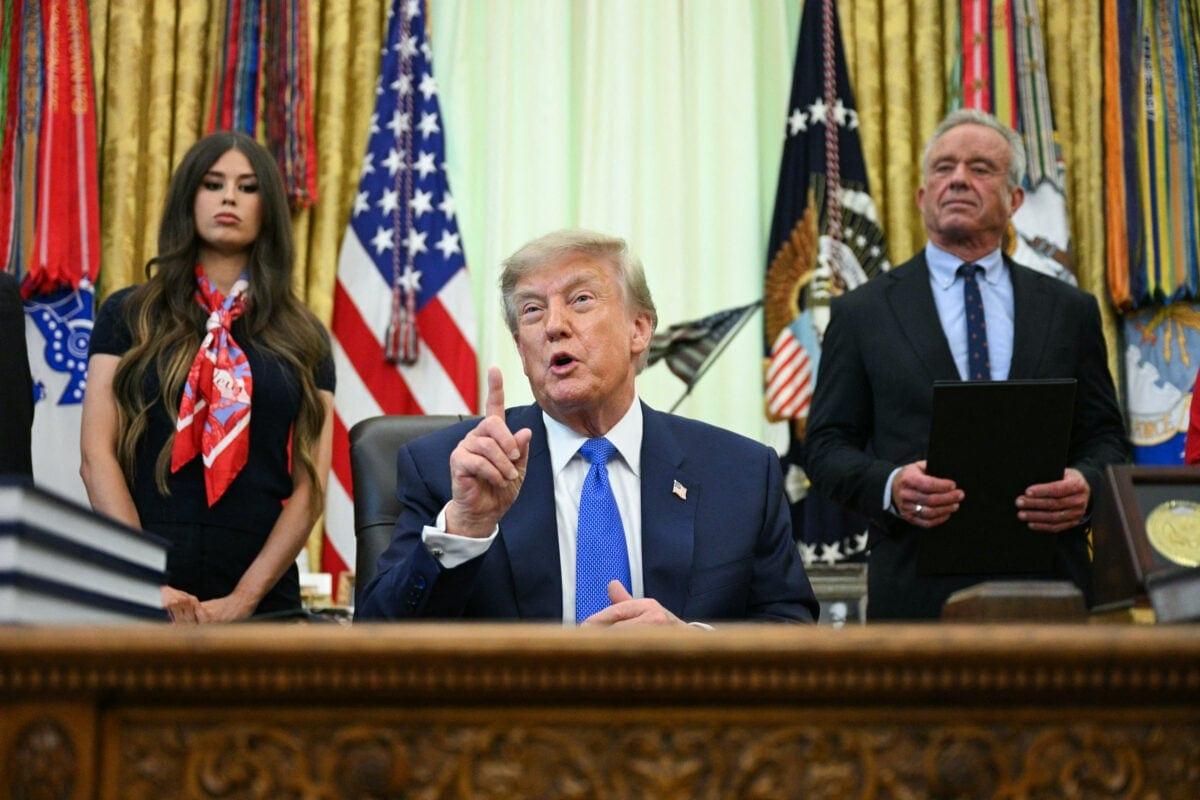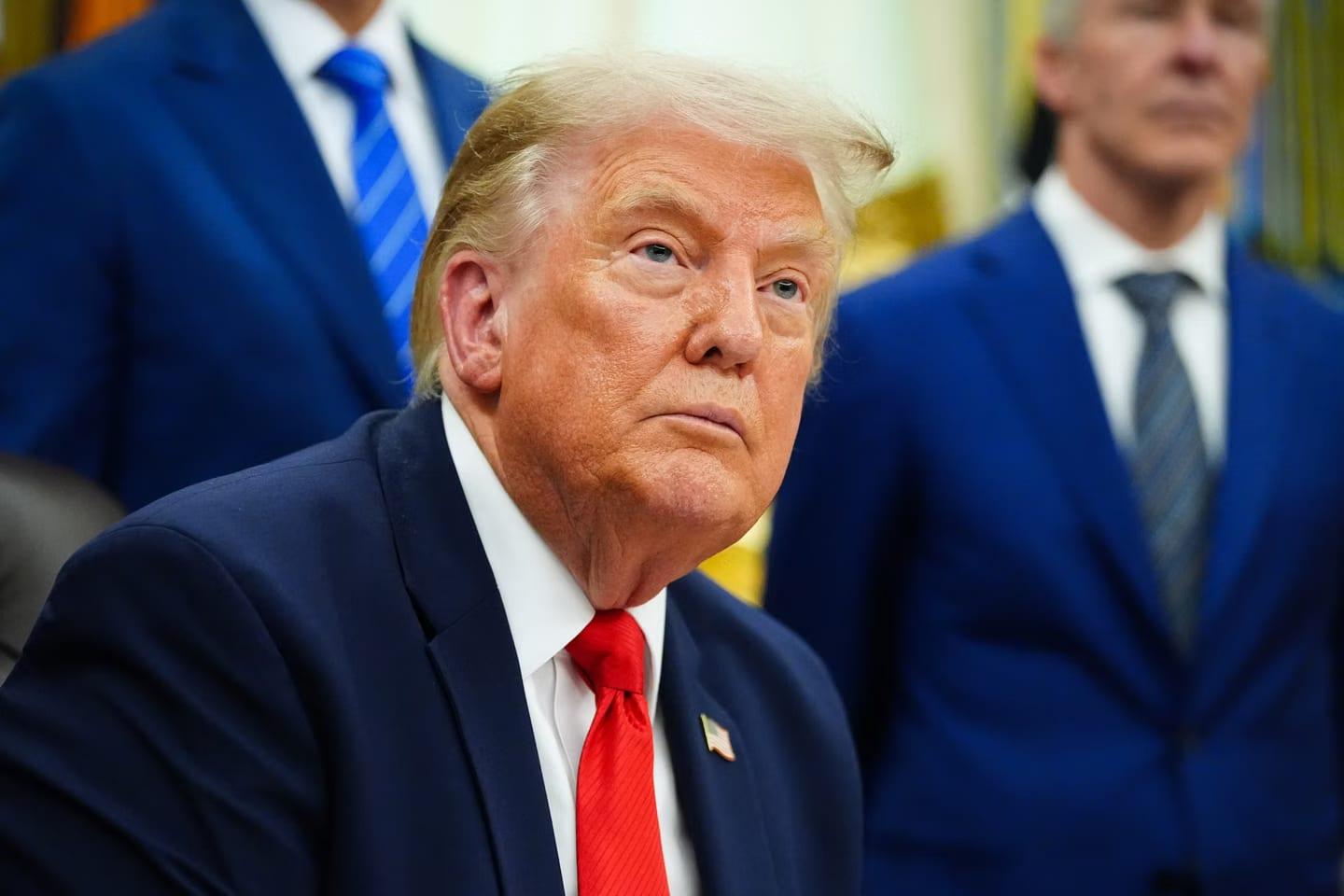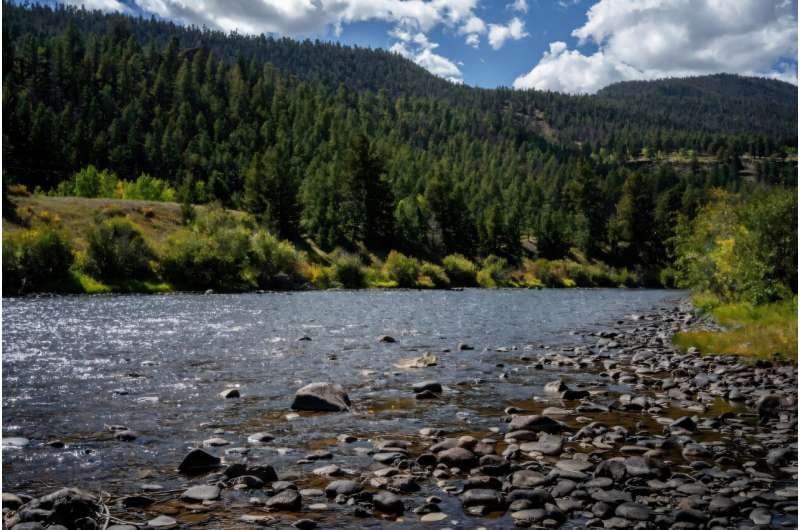
The Trump administration has proposed a significant rule change that would allow logging and road construction on 44 million acres of undisturbed forest. This move seeks to overturn the 2001 Roadless Area Conservation Rule, which protected these areas from development. Agriculture Secretary Brooke Rollins stated that the rule change aims to improve forest management and reduce wildfire risk.
The proposal, if enacted, would rescind the 2001 rule that barred development in vast areas of public forests and grasslands known as 'inventoried roadless areas.' These areas are largely located in 10 Western states: Alaska, Arizona, California, Montana, Nevada, New Mexico, Oregon, Utah, Washington, and Wyoming. Notably, the rule change does not apply to national forests in Colorado and Idaho due to state-specific regulations.
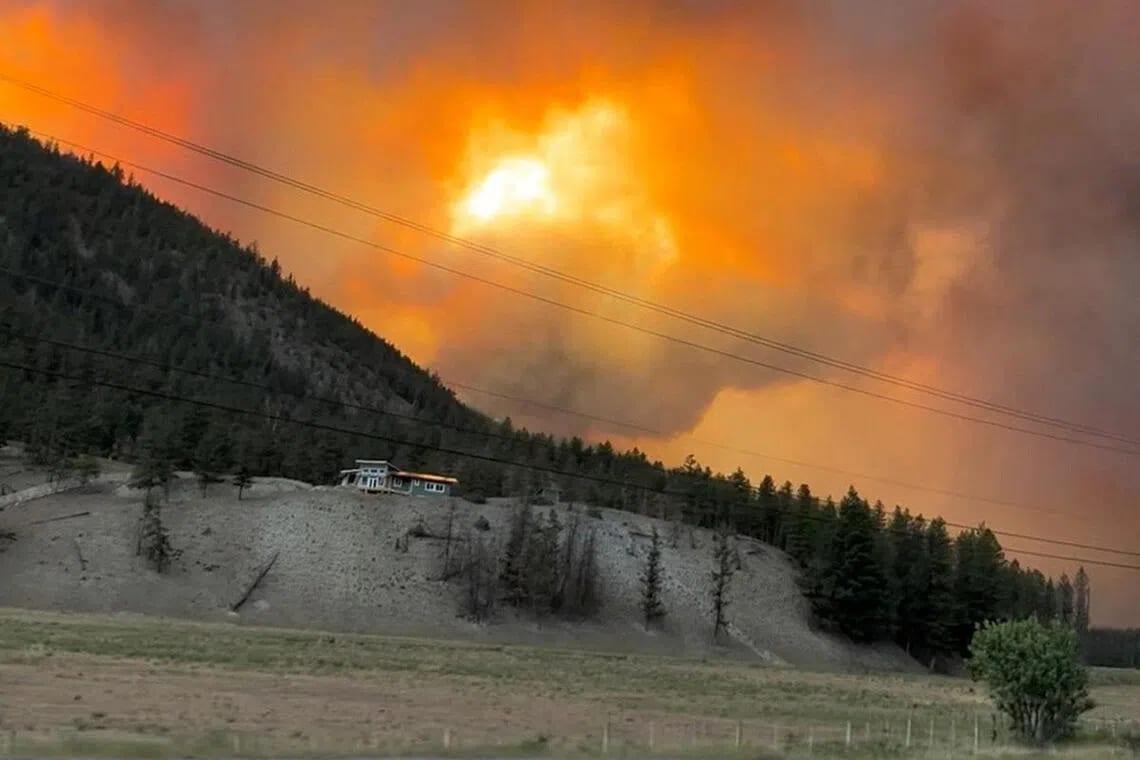
In a statement, Secretary Rollins argued that the current rule has hindered the Forest Service's ability to carry out essential management work. She cited overgrown stands, insect outbreaks, and disease as preventable conditions that have turned healthy landscapes into wildfire-prone areas. 'For too long, outdated restrictions have kept tens of millions of forested acres off-limits to the very treatments that improve forest health and reduce wildfire risk to our communities,' she said.
Conservation groups have strongly opposed the proposal, with the Center for Biological Diversity (CBD) calling it 'the largest evisceration of public lands protection in American history.' Randi Spivak, public lands policy director at CBD, criticized the move, stating that it goes against the will of the American people. A recent survey found that 77 percent of likely voters believe that conserving national forests and roadless lands is paramount, while only 11 percent supported opening more land for timber harvesting and mining.
The proposed rule specifically mentions the Tongass National Forest in Alaska, as directed by Trump's executive order 'Unleashing Alaska's Extraordinary Resource Potential.' CBD highlighted that roadless areas serve as critical habitats for species like grizzly bears and lynx and are essential for salmon streams and old-growth forests. The group also pointed out that most wildfires are human-caused and occur near roads, making the proposed rule particularly concerning.
The Trump administration's move comes amid growing concerns about climate change, which is making wildfires more frequent and severe. Conservationists argue that the rule change would exacerbate these issues by allowing more logging and road construction in sensitive forest areas. Legal challenges are expected as environmental groups mobilize to protect these vital ecosystems.
For Bangladeshi readers, this development underscores the global implications of environmental policies. The health of forests worldwide affects climate stability, biodiversity, and the livelihoods of communities dependent on forest resources. As the world grapples with the impacts of climate change, the protection of pristine forests becomes increasingly critical.