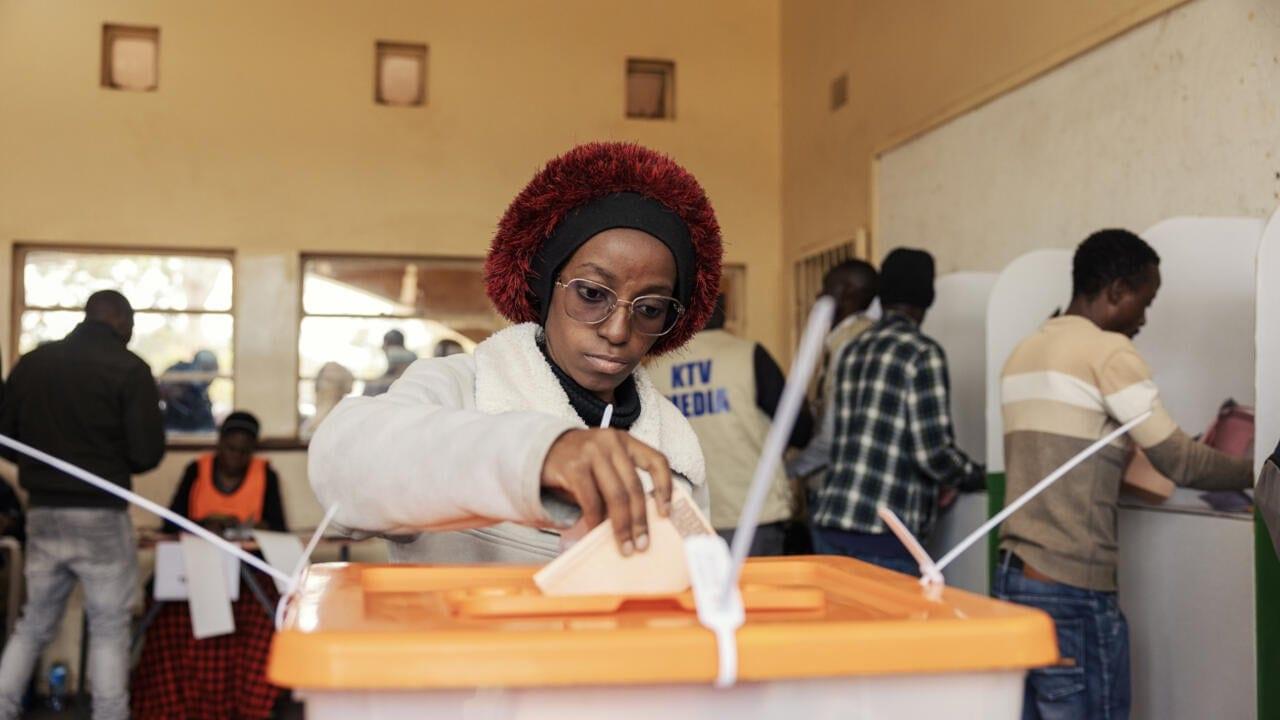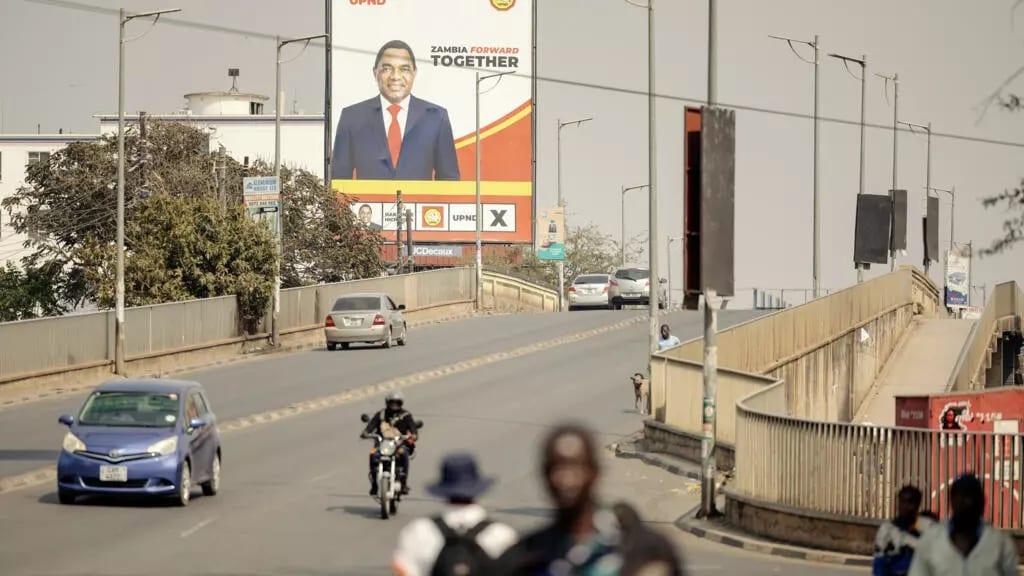
Zambia's President Hakainde Hichilema has secured re-election with 60% of the vote, according to the Electoral Commission of Zambia. The announcement came after a tightly managed election process, which faced criticism for alleged intimidation, arrests, violence, and irregularities. Despite opposition claims, the electoral commission stated that the outstanding results from five untallied constituencies were unlikely to change the overall outcome.
The election, held on Thursday, saw Hichilema, who has been in power since 2021, face a crowded field of 13 challengers. His main rival, former provincial minister Brian Mundubile, secured nearly 38% of the vote. Mundubile alleged irregularities in the counting process, claiming without evidence that documents had been tampered with, which he said risked the integrity of the tally.
In a statement following his victory, Hichilema expressed humility and pledged to continue working for all Zambians, including those who voted for his opponents. His supporters celebrated in the streets of Lusaka, wearing the red colors of his UPND party and celebrating with singing, dancing, and firecrackers.
The run-up to the election was marked by tensions, including the arrest of 11 people, including six opposition figures, in a raid against alleged militia activity. The opposition NRPUP party denied any involvement in insurgency or militia activity and condemned the government's claims as false. The electoral commission faced criticism for suspending vote counting for around six hours due to reports of violence and alleged theft of ballot papers.
International observer missions, including the European Union, warned that restrictions on the opposition during the campaigning period may have contributed to an uneven contest. Oxford Economics Africa noted that the events around the vote had raised serious questions about the integrity of the results, describing the country as "very tense."
Hichilema's first term saw the economy return to growth, with debt restructuring and lower inflation touted as key achievements. However, critics argue that these gains have yet to improve living standards for ordinary Zambians, more than 70% of whom live on less than $3 a day according to the World Bank. Zambia, Africa's second-largest copper producer, has a history of peaceful transfers of power through elections since the return to multiparty politics in 1991.