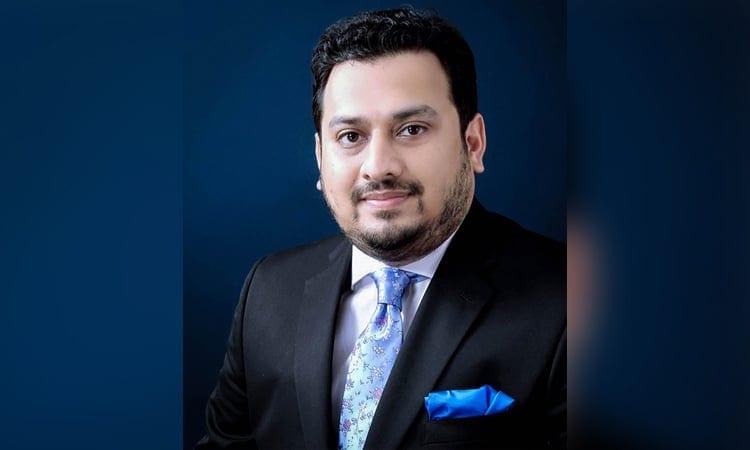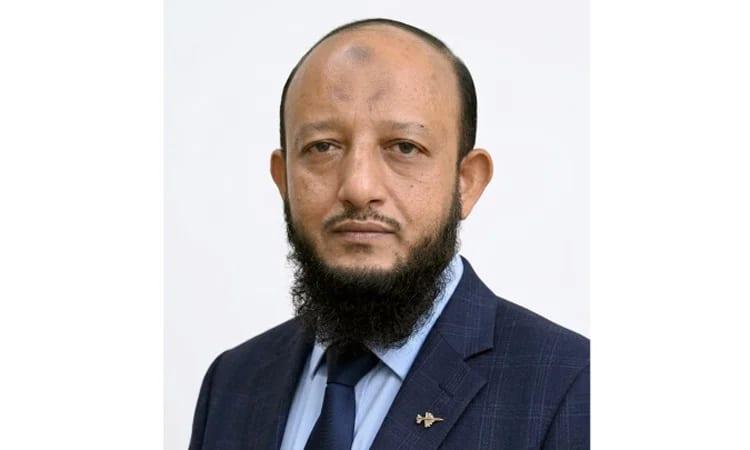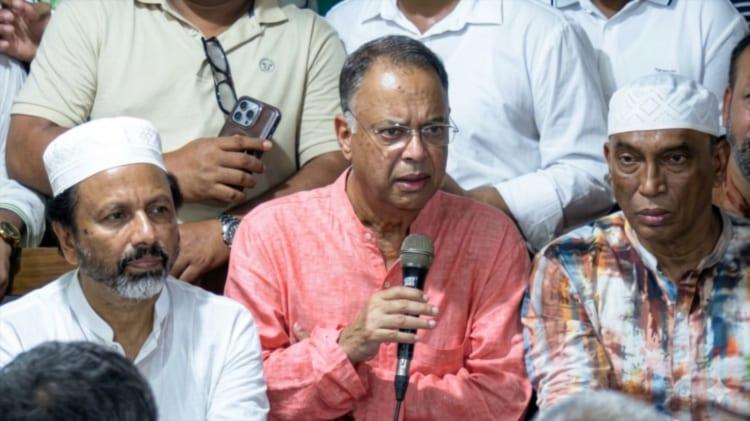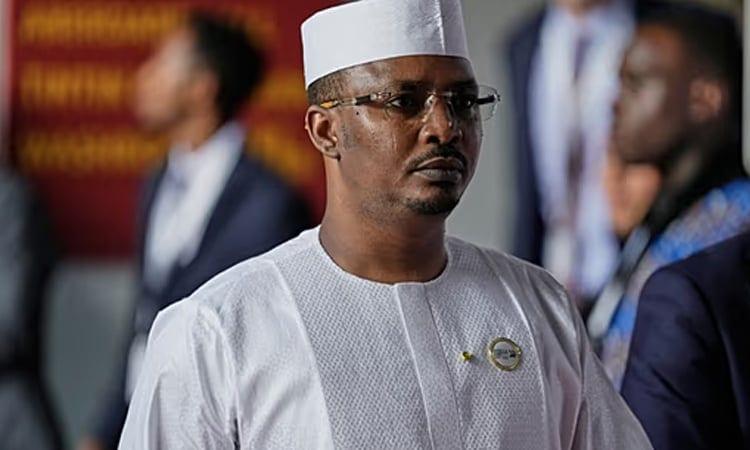
Chad's main opposition leader, Succes Masra, has called for national reconciliation and unity with President Mahamat Idriss Deby following his release from prison under a presidential pardon. Speaking to hundreds of supporters at his party headquarters in N'Djamena, Masra emphasized the need for forgiveness, unity, and peace. 'We need forgiveness, unity and peace. Gathered here today, we reaffirm to the entire nation our determination to build a reconciled Chad,' he stated.
Masra, the former prime minister and leader of the opposition Transformers party, was released on Friday after serving over a year of a 20-year prison sentence for incitement to hatred and complicity in murder. Human Rights Watch described his trial as politically motivated. Despite his release, Masra and eight other pardoned opposition figures retain their criminal records and are barred from running for office.
Background and Context
Succes Masra, a 42-year-old economist, is one of Chad's most prominent opposition figures. He fled into exile in Cameroon in late 2022 after a protest he led was violently suppressed by security forces, resulting in numerous deaths. He returned to Chad under an agreement with the government and was subsequently appointed prime minister. However, his political career took a turn when he ran against Deby in the May 2024 election, finishing second with nearly 20 percent of the vote.
President Mahamat Idriss Deby has been in power since 2021, following a military transition after the death of his father, longtime ruler Idriss Deby Itno. In October 2025, Chad adopted constitutional changes that created a renewable seven-year presidential term with no limit on re-election, a move criticized by Human Rights Watch for further weakening prospects for meaningful democratic change.
Masra's Call for Unity
In his address, Masra stressed the importance of working together for the nation's future. 'My conviction is that we must work together. We are ready to start tomorrow morning,' he said. 'They know that outside the government, we are the main political force. Nothing can be built in the future without us.' His call for unity comes at a critical time for Chad, a Central African country of around 20 million people.
The presidential pardon, while a significant development, does not erase the convictions of Masra and the other opposition figures. This means they remain ineligible to run for office, potentially limiting their political influence. However, Masra's release and his subsequent call for reconciliation signal a potential shift towards greater political dialogue and stability in Chad.