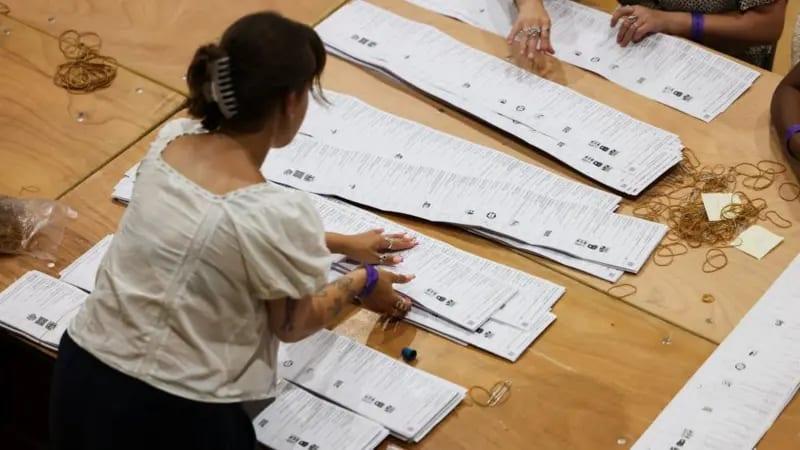
The US Democratic Party has voted to kick off its 2028 presidential primaries in South Carolina and Nevada, marking a shift towards prioritizing states with larger minority populations. South Carolina, with its significant African American population, will vote on January 22, 2028, followed by Nevada on February 1. This new schedule aims to expose presidential hopefuls to a more diverse electorate and key states crucial for the general election.
New Primary Schedule
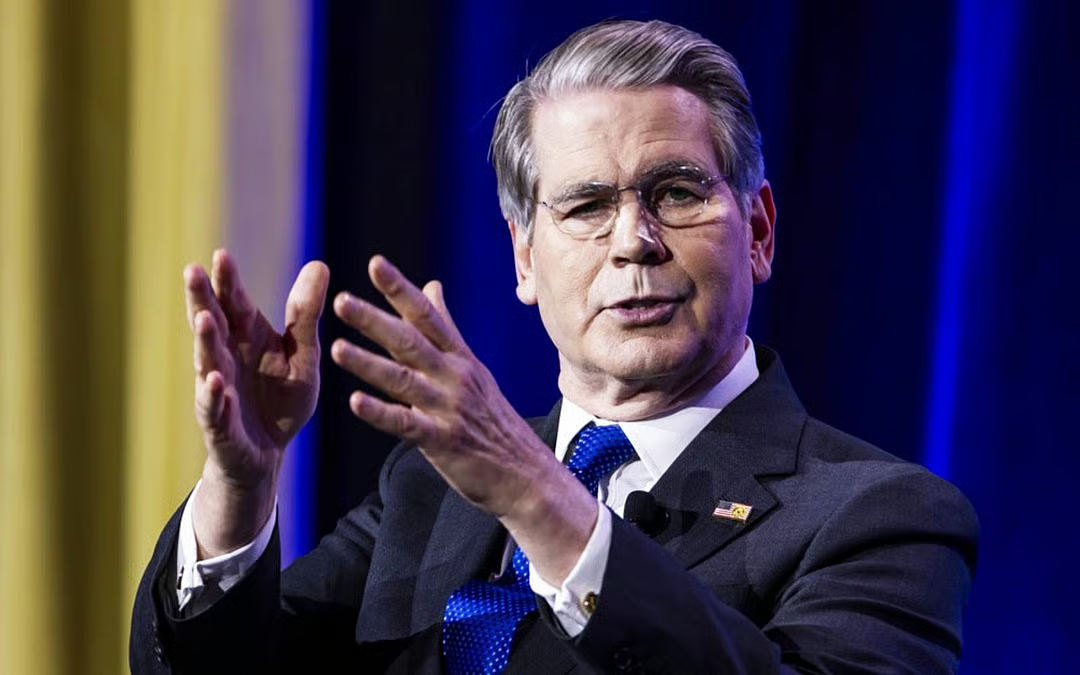
The Democratic National Committee (DNC) announced the new primary schedule, emphasizing its alignment with party values and goals. Party chair Ken Martin stated that the new calendar "truly represents our party and our values, and will help us retake the White House in 2028." The shift away from traditional early voting states like New Hampshire and Iowa reflects a strategic move to engage a broader and more diverse voter base.
Strategic Importance of South Carolina and Nevada
South Carolina's pivotal role in Joe Biden's 2020 primary success influenced the decision to start the primaries there. The state's large African American population provides a critical test for candidates. Nevada, with its substantial Latino population, further diversifies the early primary landscape. This strategy not only tests candidates' appeal across different demographics but also highlights states that could be decisive in the general election.
Challenges and Uncertainties
The new schedule faces potential challenges from states like New Hampshire and Iowa, which have laws mandating their early primary status. New Hampshire defied the DNC's 2024 schedule by holding its vote before South Carolina. To prevent such actions, the DNC has increased penalties for non-compliance. However, it remains uncertain whether New Hampshire and Iowa will adhere to the new schedule.
Implications for the Democratic Party
This shift in the primary calendar underscores the Democratic Party's commitment to representing a diverse electorate. By starting in South Carolina and Nevada, the party aims to ensure that candidates are vetted by a broader range of voters early in the process. This approach could influence campaign strategies and messaging, focusing more on issues relevant to minority communities.